Top 10 Mobile Lifting Equipment Buyers Guide for 2026
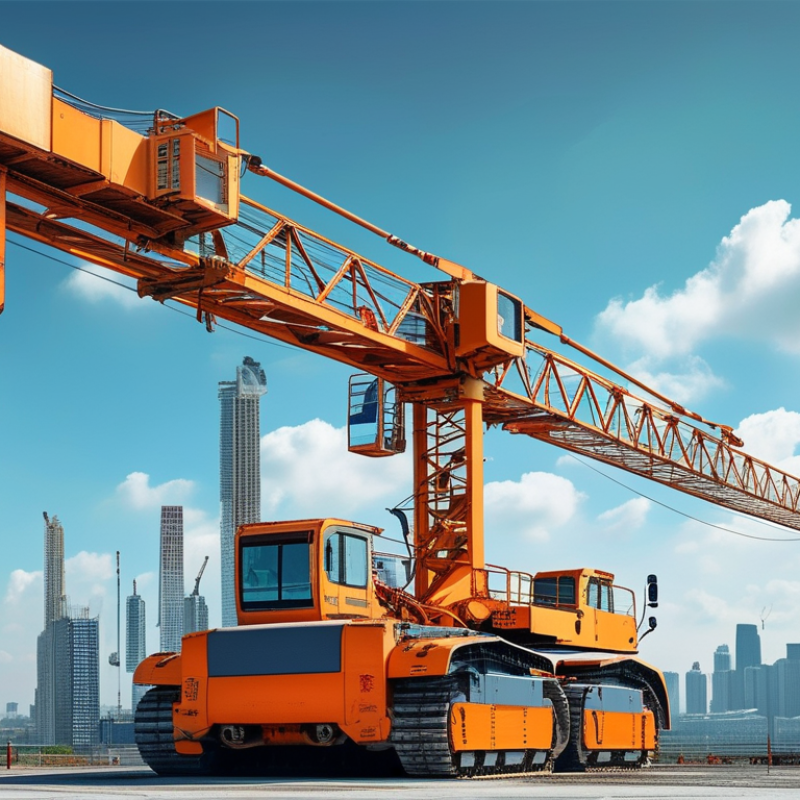
As industries evolve, the demand for Mobile Lifting Equipment continues to grow. In 2026, businesses will face a plethora of choices. This guide aims to simplify decision-making for savvy buyers. Mobile lifting equipment plays a crucial role in various sectors, enhancing productivity and safety.
Investing in the right equipment requires careful consideration. With diverse options available, selecting the best fit can be overwhelming. Buyers should assess key factors, such as load capacity and maneuverability. Furthermore, understanding the equipment's ease of use is vital for maximizing efficiency.
One might overlook the importance of regular maintenance and support. It’s critical to identify reliable suppliers. Failing to do so may lead to costly downtime. This guide will provide insights to navigate the complexities of mobile lifting equipment. Being informed will empower buyers to make wiser investments for the future.
Understanding Mobile Lifting Equipment: An Overview
Mobile lifting equipment plays a crucial role in various industries. It helps in moving heavy objects safely and efficiently. Understanding the different types of mobile lifting devices is essential for effective usage.
When considering mobile lifting equipment, assess your specific needs. Will you require equipment for indoor or outdoor use? Different environments may demand various features. Always check the weight capacity. Overloading can cause equipment failure and accidents. It’s wise to factor in the terrain. An uneven surface may restrict mobility.
Here are some tips to ensure effective use. Regular maintenance is vital for safety. Inspect equipment before each use. Look for wear and tear. Also, train your team well. Familiarity with equipment can prevent mishaps. Remember, not every equipment suits every task. Take time to evaluate options. Trust your instincts and seek advice when unsure. This careful consideration can lead to better decisions.
Key Features to Consider When Selecting Mobile Lifting Equipment
When selecting mobile lifting equipment, key features significantly impact safety and efficiency. The equipment's load capacity must match the specific lifting tasks. According to recent industry statistics, overloading can lead to 30% of workplace accidents. Therefore, understanding capacity ratings is crucial. Additionally, safety features like emergency stop mechanisms are vital. They can reduce potential accidents by up to 40%.
Portability is another essential aspect. Equipment must be easy to maneuver across job sites. A wide base enhances stability while lifting. Many users report that compact models are often easier to transport, providing flexibility for various applications. However, these smaller models may compromise lifting capacity. It’s essential to strike a balance.
Battery life and maintenance guidelines should also be prioritized. A recent survey indicated that nearly 25% of lifting equipment failures stem from poor maintenance practices. Users need equipment with readily available service options. Regular checks can prevent downtime and extend the equipment's lifespan. Thoughtful consideration of these features will lead to a more informed selection, ultimately enhancing operational productivity.
Top Brands in Mobile Lifting Equipment for 2026
When exploring the top brands in mobile lifting equipment for 2026, thorough research is essential. The industry is evolving rapidly, with technology playing a significant role in enhancing lifting capabilities. Consider how various brands innovate by incorporating smart technology and improving safety features.
Tips for buyers: Always check user reviews. They provide insights into real-life performance. Stability and durability should be your priority. Focus on brands with a proven track record in safety testing and customer support.
Different brands may excel in different areas, like weight capacity or portability. Reflect on what matters most for your needs. A less established brand might offer competitive features at a lower cost, but research is vital. Often, higher initial costs translate into long-term savings through reliability and efficiency.
Top 10 Mobile Lifting Equipment Market Analysis for 2026
This chart presents the projected market share distribution among different categories of mobile lifting equipment in 2026. The data reflects the growth trends and popularity of each equipment type.
Safety Standards and Regulations for Mobile Lifting Equipment
Safety is paramount in mobile lifting equipment. The global market for such equipment is projected to reach $20 billion by 2026, underscoring the importance of adherence to safety standards. Regulations dictate design and usage patterns that protect operators and bystanders. These guidelines are vital for reducing workplace accidents, which accounted for approximately 1,000 fatalities in the U.S. alone in 2022.
Compliance with standards such as ISO 23813 and ANSI/ASME B30.2 provides a framework for safe operation. Equipment must undergo regular inspections, with maintenance records kept for accountability. Improperly maintained equipment can lead to serious accidents, highlighting the need for strict adherence to these safety protocols. Training programs should also focus on these regulations, ensuring operators are well-informed of potential risks and proper handling techniques.
Despite these measures, the industry reflects areas needing improvement. Not all organizations prioritize safety education, which may result in an increase in accidents. Continuous evaluation of safety practices and a strong safety culture should be encouraged. Adapting to advancements in technology can also enhance safety features, yet some may lag in implementation. Addressing these gaps can significantly enhance the operational safety of mobile lifting equipment.
Future Trends in Mobile Lifting Equipment Technology
Mobile lifting equipment is evolving rapidly. As we approach 2026, several trends will shape its future. One key area is automation. Equipment that can operate with minimal human intervention is becoming more common. Autonomous mobile lifts are on the horizon. They improve safety and efficiency but require careful consideration of their reliability in varied environments.
Sustainability is another important trend. Many buyers are looking for energy-efficient models. Hybrid and electric lifting equipment are gaining traction. This shift could reduce operational costs in the long term. However, some models still face challenges in battery life and recharge times, which buyers should reflect on.
User-friendly interfaces are also becoming essential. Smart technology is enabling real-time data tracking. Operators can now monitor performance metrics instantly. This advances safety but also requires training for effective use. The integration of AI might improve predictive maintenance, yet it raises questions about data security. Each of these trends presents opportunities and challenges that demand careful consideration.





 Ms.Lily International Sales Director
 Join 3S Group