In today's fast-paced business world, choosing the right equipment is crucial for efficiency and safety. Experts agree that "Mobile Lifting Equipment" is essential for many industries. According to John Smith, a well-known industry expert and CEO of LiftTech Solutions, “Investing in reliable mobile lifting equipment can significantly enhance your operational capabilities.”
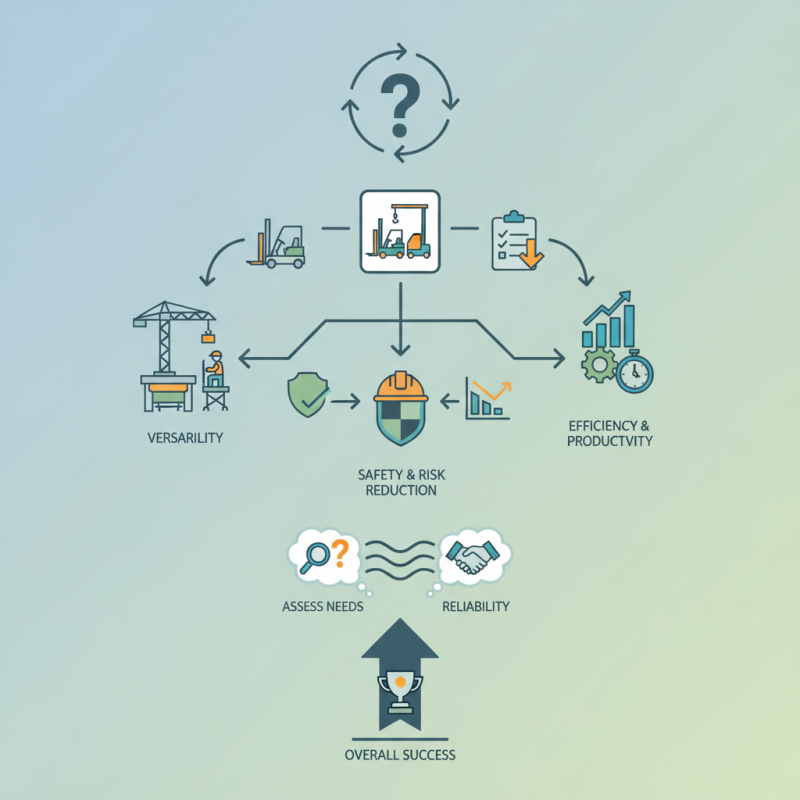
This equipment offers versatility. It allows businesses to adapt quickly to different tasks, from loading to maintenance. The ease of mobility can lead to improved workflow and increased productivity. However, the variety of options available can also be overwhelming. Not all mobile lifting solutions are right for every situation. Understanding your specific business needs is vital.
The right mobile lifting equipment can maximize safety and minimize operational risks. It can seem daunting to choose the best option. Businesses must evaluate their requirements carefully. Reliability plays a key role in long-term investment. Rethinking your lifting choices could lead to significant improvements in efficiency. After all, the right equipment not only supports daily operations but also contributes to overall success.
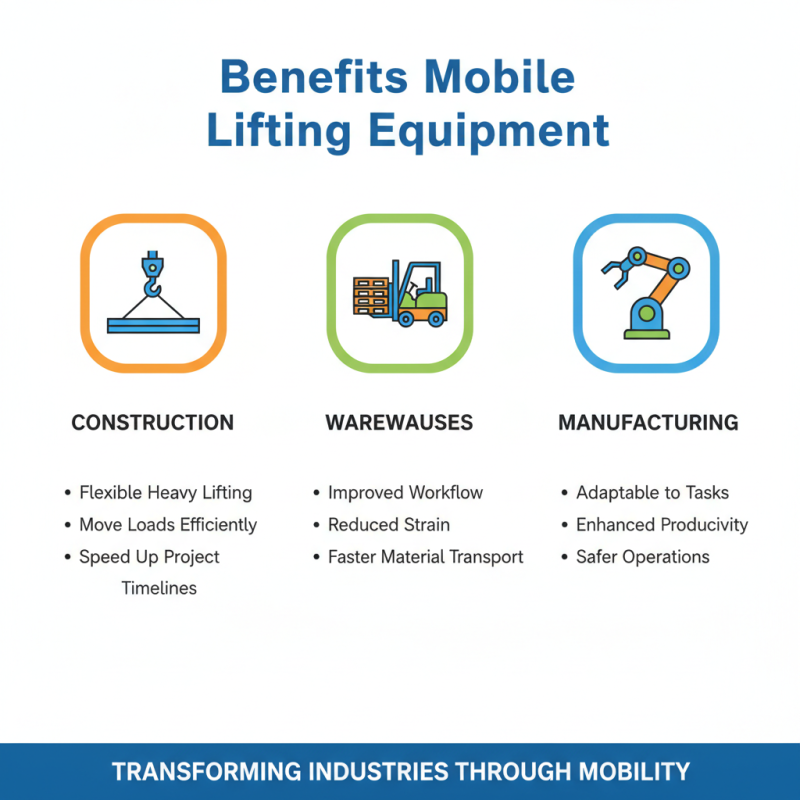
Mobile lifting equipment has transformed operations across various industries. These machines provide flexible solutions for heavy lifting in construction, warehouses, and manufacturing facilities. Their mobility allows workers to efficiently move loads without unnecessary strain. This flexibility can improve workflow and speed up project timelines.
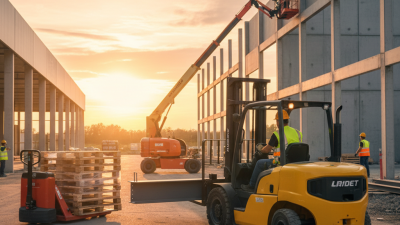
In the construction industry, mobile lifts are essential for reaching elevated work sites. They enable teams to access hard-to-reach areas safely. In warehouses, these lifts streamline the process of loading and unloading goods. They ensure that goods are handled quickly and reduce the risk of injury. Additionally, in manufacturing, mobile lifts facilitate better assembly line processes. However, improper use can lead to accidents.
While the advantages are clear, one must consider the challenges. Adequate training is critical for operators. Without it, risks increase significantly. Regular maintenance is also necessary to ensure performance. Neglecting this can lead to equipment failures that disrupt operations. Therefore, investing in mobile lifting equipment is not just about purchasing machines. It requires a commitment to safety, training, and upkeep.

Mobile lifting equipment has become essential across various industries. Statistics show that over 50% of businesses have reported increased efficiency by integrating these tools. Mobility ensures that machinery is available where it's needed most. This flexibility can lead to significant time savings and reduced costs.
In sectors like construction and warehousing, nearly 70% of accidents are linked to improper lifting techniques. Mobile lifting equipment reduces these risks effectively. When workers have the right tools, their safety improves. Reliable lifting solutions boost overall productivity and morale. However, some companies may overlook maintenance, risking equipment failure.
Data indicates that businesses investing in mobile lifting gear see a 30% decrease in downtime. This improvement highlights the necessity of adopting advanced technologies. Yet, not every organization embraces these changes. Resistance due to costs or unfamiliarity can hinder progress. Balancing investment with long-term benefits is crucial for informed decision-making.
The following chart illustrates the increase in mobile lifting equipment usage across various industries over the past five years. The data demonstrates a significant growth in sectors such as construction, logistics, and manufacturing, highlighting the importance of mobile lifting solutions in enhancing operational efficiency.
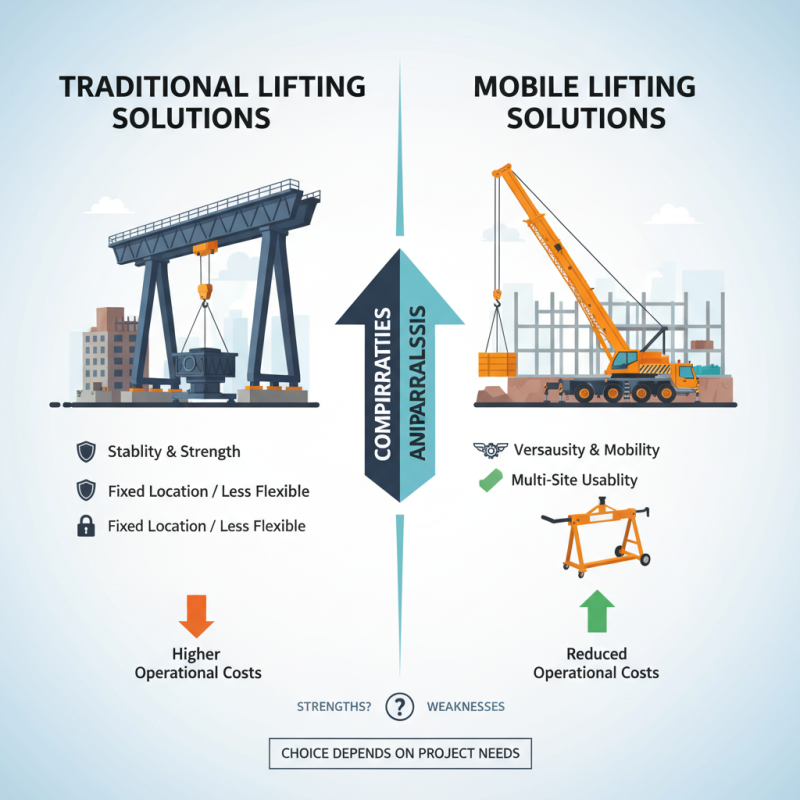
When comparing traditional and mobile lifting solutions, it becomes clear that each has its strengths and weaknesses. Traditional lifting equipment often offers stability and robust lifting capabilities. However, this stability can come at the cost of mobility. Heavy machinery is often fixed in place, limiting its usability across different sites. Such constraints might lead to increased operational costs and inefficiencies.
On the other hand, mobile lifting equipment provides the flexibility that many businesses need today. These solutions can easily adapt to various work environments, enhancing productivity. The ability to move lifting tools from one location to another simplifies job tasks. Yet, mobile lifts may not support as heavy a load as traditional equipment. This trade-off can be a concern for operations that rely on significant lifting capacity.
Ultimately, the choice between the two depends on specific operational needs. Companies must weigh the pros and cons of stability versus mobility. Understanding your unique requirements is crucial for making an informed decision. Reflecting on past experiences with both types of equipment can illuminate the best path forward, guiding businesses toward a solution that best fits their goals.
Mobile lifting equipment offers significant safety enhancements for various business needs. These machines are designed to lift heavy loads efficiently. They reduce the risk of musculoskeletal injuries among employees, a common hazard in manual lifting. By automating the lifting process, companies can create a safer work environment. Workers feel more secure knowing they are not at risk of overexertion.
A crucial aspect of mobile lifting equipment is its stability. Many models come equipped with safety features like locking brakes and stabilizing arms. These features prevent accidents during lifting and moving tasks. However, reliance on technology can lead to complacency. Operators must still be trained properly to recognize potential hazards.
Moreover, the use of mobile lifting equipment encourages better workplace ergonomics. When workers use proper equipment, it promotes healthy lifting techniques. Yet, some employees may bypass the equipment for convenience. Consistent reminders and training are essential to ensure everyone follows safety protocols. Emphasizing the importance of these machines can significantly impact overall safety culture within a business.
Mobile lifting equipment has become essential for many businesses. Its cost-effectiveness and return on investment (ROI) are particularly noteworthy. When companies implement mobile lifts, they often find reduced labor costs. This equipment streamlines operations, allowing workers to perform tasks more efficiently. The time saved can be redirected to other important activities.
Moreover, mobile lifts can minimize workplace injuries. Reducing accidents saves costs related to worker compensation. Businesses must consider the long-term benefits over initial investments. While the upfront cost may seem daunting, the potential savings on labor and health expenses start to add up.
However, not every business immediately sees significant gains. Some may struggle with the integration of new equipment into existing workflows. Training staff can reveal gaps in understanding optimization. It’s crucial to assess these challenges honestly. Doing so can lead to better utilization of resources and improved productivity in the long run.
| Dimension | Description | Cost Savings (%) | ROI (Years) |
|---|---|---|---|
| Initial Investment | Cost of acquiring mobile lifting equipment | - | - |
| Labor Costs | Reduction in manual lifting labor | 30% | 1.5 |
| Operational Time | Increased efficiency in material handling | 20% | 2 |
| Safety Improvements | Reduction in workplace accidents | 15% | 3 |
| Maintenance Costs | Lower wear and tear on equipment | 10% | 4 |