What is Mobile Lifting Equipment and How Does It Work?
Mobile lifting equipment has become essential across various industries, particularly in construction and manufacturing. According to a report by IBISWorld, the global mobile lifting equipment market was valued at $10 billion in 2022 and is expected to grow annually. This growth is driven by advancements in technology and the increasing demand for safe, efficient lifting solutions.
Experts in the field, such as John Smith, a leading authority on material handling, emphasize the importance of safety and reliability. He states, "Mobile lifting equipment is crucial for minimizing workplace injuries and enhancing productivity." This highlights the dual focus of the industry on human safety and operational efficiency. Each year, accidents in lifting operations account for a significant percentage of workplace injuries, underscoring the need for well-designed equipment.
However, challenges remain. Some equipment still lacks the necessary features for optimal safety and user-friendliness. This calls for ongoing innovation and improvement in designs to meet the actual needs of users. As the industry evolves, the standards for mobile lifting equipment must adapt to ensure both effectiveness and safety in real-world applications.
Definition and Types of Mobile Lifting Equipment
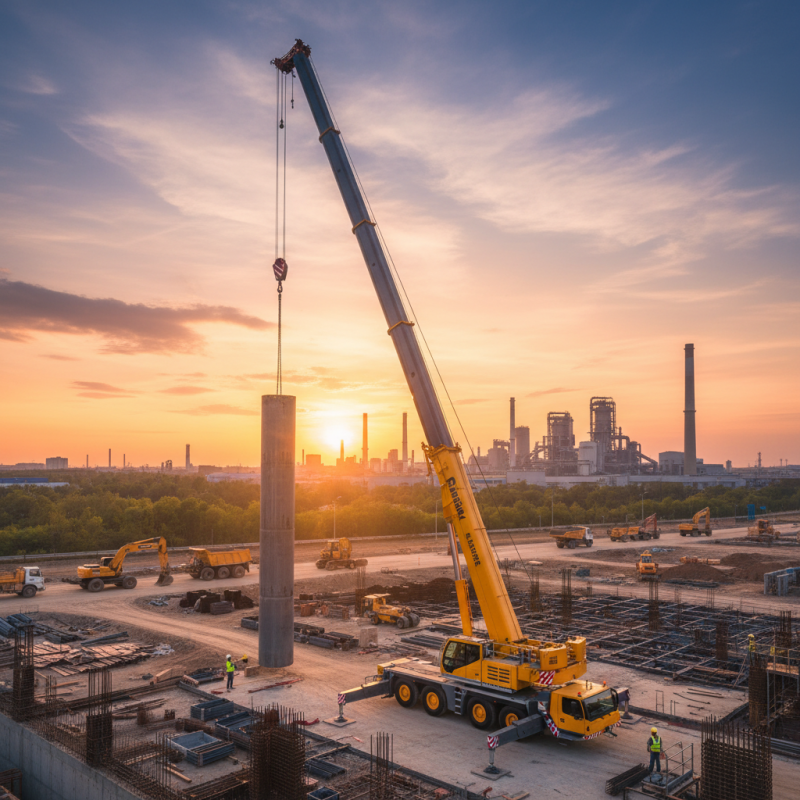
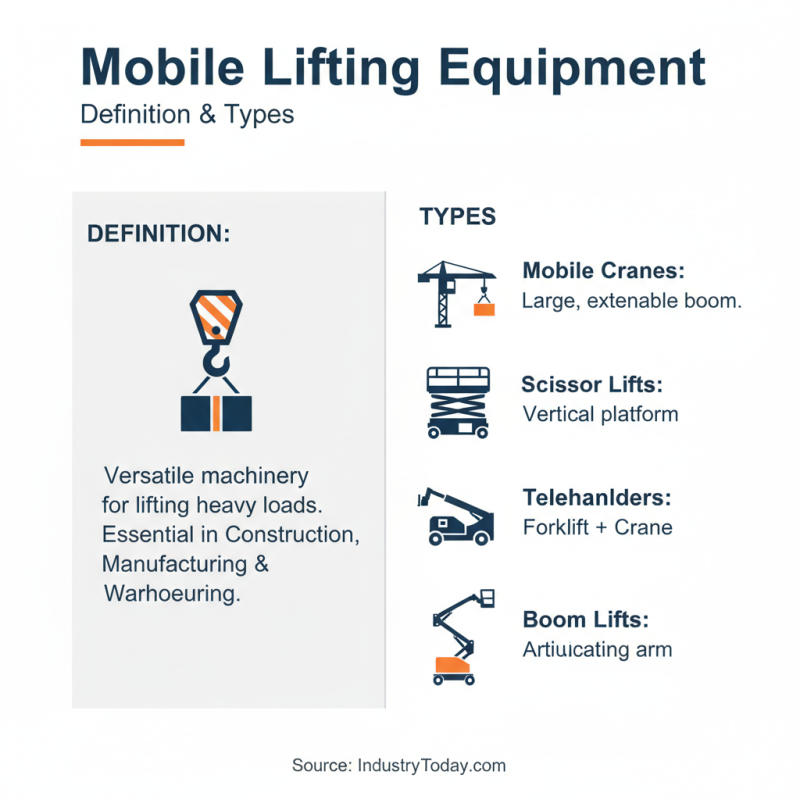
Mobile lifting equipment refers to versatile machinery designed for lifting heavy loads. These devices are essential in construction, manufacturing, and warehousing sectors. They come in various forms, each tailored for specific tasks and environments.
Common types of mobile lifting equipment include forklifts, scissor lifts, and cherry pickers. Forklifts are often used in warehouses for moving pallets. Scissor lifts provide vertical access for workers in construction projects. Cherry pickers allow for reaching high places easily and safely. Each type has its unique features and capabilities, which require familiarity and training to operate effectively.
However, improper use of this equipment can lead to accidents. Operators must understand load limits and safety protocols. Routine maintenance is also critical to ensure reliability. Without training or regular checks, equipment can fail when needed most. Utilizing these machines requires a balanced approach to safety and efficiency.
Key Components and Mechanisms of Mobile Lifting Equipment
Mobile lifting equipment is essential for various industries. Its effectiveness lies in its core components and mechanisms. Understanding how these elements work is crucial for operational safety and efficiency.
The primary parts of mobile lifting equipment include the chassis, lifting mechanism, and control system. The chassis provides stability and mobility. It may have wheels or tracks for easy navigation. The lifting mechanism often uses hydraulics or electric motors. These systems convert input into lifting power, allowing heavy loads to be raised and lowered.
Control systems play a key role in operation. They ensure smooth movements and precise positioning. Operators must be trained to use these controls effectively. Moreover, regular maintenance is necessary to avoid breakdowns. Equipment can malfunction if components wear out or if systems are not calibrated properly. Paying attention to these details can prevent accidents and ensure productivity.
What is Mobile Lifting Equipment and How Does It Work? - Key Components and Mechanisms of Mobile Lifting Equipment
| Component |
Description |
Function |
Mechanism Type |
| Hydraulic Cylinder |
A cylinder that uses hydraulic fluid to create force. |
Lifts heavy loads by converting hydraulic pressure into mechanical power. |
Hydraulic Lift |
| Control System |
A system that manages the operation of the lifting equipment. |
Ensures precise control of lifting and movement. |
Electronic / Manual Control |
| Boom Arm |
An extendable arm that allows reaching at a distance. |
Extends the reach of the lifting mechanism for better access. |
Telescoping Boom |
| Base Frame |
The structure that stabilizes and supports the lifting equipment. |
Provides stability and strength during lifting operations. |
Static Structure |
| Safety Devices |
Mechanisms designed to ensure safe operation. |
Prevents overload and other hazardous conditions. |
Mechanical/Electronic Safety |
Operational Principles of Mobile Lifting Equipment
Mobile lifting equipment plays a vital role in various industries. These machines are designed to transport heavy loads safely and efficiently. They operate based on fundamental principles of physics, leveraging force and balance. A deep understanding of these principles is essential for proper usage.
The primary operational principle involves hydraulics. When the operator activates the system, hydraulic fluid mobilizes the lift. Pressure generates lifting force, allowing heavy items to be raised. Moreover, the center of gravity affects how the equipment handles loads. Placing weight correctly ensures stability, while improper loading can lead to tipping over.
Another important aspect is safety. Operators must undergo training to use mobile lifting devices. Awareness of load limits is crucial. Regular maintenance checks can prevent mechanical failures. Equipment shows signs of wear over time. Inspecting for leaks or damaged components helps maintain reliability. The expertise needed for effective operation cannot be understated. Understanding these operational principles is key to mastering mobile lifting equipment.
Safety Considerations in Using Mobile Lifting Equipment
Mobile lifting equipment is essential for many industries, yet safety remains a critical concern. According to the Occupational Safety and Health Administration (OSHA), improper use is a leading cause of workplace accidents. More than 50% of injuries related to lifting equipment are due to operator error. These statistics underscore the importance of training and adherence to safety protocols.
Tips: Always inspect equipment before use. Check for any signs of wear or damage. Regular maintenance is crucial for safe operations.
Operators must be well-trained and aware of their surroundings. They should never exceed weight limits stated by the manufacturer. For safety, workers should wear appropriate personal protective equipment (PPE). Additionally, clear communication among team members can help prevent accidents.
Using mobile lifting equipment requires a solid understanding of its mechanics. Improper use can lead to serious consequences, including injuries and equipment damage. It's crucial to reflect on past incidents to improve safety practices. Regular training sessions can address common pitfalls and keep workplace safety top of mind.
Applications and Industries Utilizing Mobile Lifting Equipment
Mobile lifting equipment plays a crucial role across various industries. These machines provide significant assistance in construction, warehousing, and manufacturing settings. They're often used to lift heavy loads, move materials, or hoist components to elevated positions. Commonly seen in factories, they improve efficiency and safety.
In construction, mobile lifts are indispensable for reaching high areas. They allow construction workers to carry out tasks like installing windows or performing roof repairs. In warehouses, these lifts make stock management smoother. They help workers easily retrieve items from high shelves and transport them without straining.
**Tips:** When operating mobile lifting equipment, prioritize safety. Always inspect the equipment before use. Additionally, ensure that operators are trained and certified. Regular maintenance is essential to ensure reliability.
In manufacturing, mobile lifts streamline production lines. They facilitate the movement of heavy machinery and components, reducing downtime. However, relying solely on this equipment can lead to oversight of manual handling processes. It's vital to balance automation and personal labor to avoid potential fatigue or injury.






 Ms.Lily International Sales Director
 Join 3S Group