Top Tips for Choosing an Electric Wire Rope Hoist?
Choosing the right Electric Wire Rope Hoist can seem overwhelming. With so many options on the market, making an informed decision is essential. An electric wire rope hoist is a critical tool in construction and manufacturing. It enhances productivity and ensures safety when lifting heavy loads.
Understanding your specific needs is crucial. Consider the weight capacity, lift height, and power source of the hoist. Each application is unique, and not all hoists meet the requirements. You might find that a lower capacity hoist fits your needs better than a high-capacity one.
Additionally, think about the maintenance requirements. Some hoists are simpler to maintain than others. Reliability is paramount; you don’t want unexpected breakdowns. Research various brands for their durability and customer service ratings. It pays to investigate. Ensure that your choice meets safety standards and regulations. Knowledge is power when it comes to selecting an Electric Wire Rope Hoist.
Understanding the Basics of Electric Wire Rope Hoists
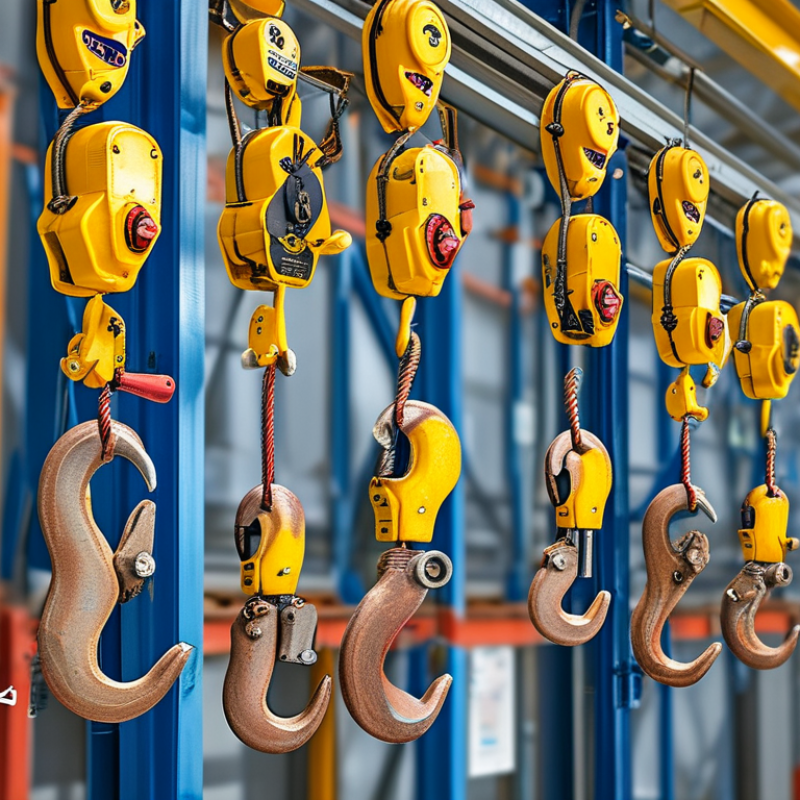
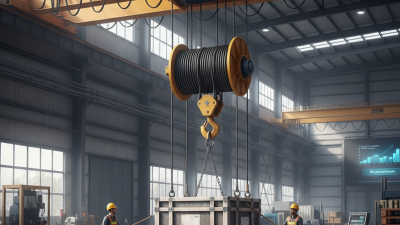
When considering an electric wire rope hoist, understanding its components is essential. These hoists feature a wire rope, a drum, a motor, and various safety mechanisms. The wire rope plays a crucial role in lifting heavy loads safely. Ensure that the rope is made of high-quality materials to withstand heavy use. Regular inspections are necessary to avoid potential failures.
The motor's power rating is another vital aspect. A hoist must have sufficient power to handle the specific loads you'll be lifting. Not all jobs require the same capacity. Choosing the wrong rating can lead to inefficiencies or damage. Be mindful of the operating environment, as extreme conditions can affect performance and safety.
Always consider safety features. Overload protection, emergency stop buttons, and limit switches enhance operational safety. These features prevent accidents and ensure secure lifting. While many hoists meet basic standards, it's essential to evaluate their reliability for your specific needs. Remember, no hoist is perfect. Regular maintenance and inspections will keep your hoist functioning correctly and safely over time.
Top Tips for Choosing an Electric Wire Rope Hoist
| Feature |
Considerations |
Recommendations |
| Load Capacity |
Determine the maximum weight you will lift |
Choose a hoist with a capacity 20% above the maximum load |
| Height of Lift |
Evaluate the vertical distance required for lifting |
Select a hoist that can accommodate extra height for flexibility |
| Power Supply |
Verify available voltage and phase at the installation site |
Choose a hoist compatible with your power specifications |
| Control Mechanism |
Assess ease of use and safety features of the control |
Opt for remote controls or pendant controls for better safety |
| Build Quality |
Inspect materials and construction quality for durability |
Select hoists made from robust materials like steel |
| Safety Features |
Identify necessary safety features to minimize risks |
Ensure it has brakes, overload protection, and emergency stops |
| Maintenance Requirements |
Consider how often maintenance is needed to ensure reliability |
Look for hoists with low maintenance needs and easy access for service |
Key Factors to Consider When Choosing a Hoist
When selecting an electric wire rope hoist, several key factors must be taken into account. Understanding load capacity is critical. This specifies the maximum weight the hoist can safely lift. Choosing a hoist with a higher load limit than your needs is generally a better strategy. Consider the nature of your lifting tasks. Heavy, frequent lifts require more robust mechanisms, while lighter tasks may need simpler designs.
Another important aspect is the hoist's lifting speed and height. A faster lift might seem advantageous, but it can lead to safety risks. Ensure that the speed meets your workflow without compromising safety. Also, pay attention to the height requirements in your workspace. Knowing your facility's dimensions can help avoid installing a hoist that does not fit.
Safety features cannot be overlooked. Some hoists come with overload protection and emergency stops. These safeguards are essential for preventing accidents. Always remember that functionality can come with complexity. Sometimes, sophisticated hoists may require more maintenance and training. Balancing performance and usability is crucial when making a choice, as both extremes can lead to inefficiencies.
Evaluating Load Capacity and Performance Requirements
When choosing an electric wire rope hoist, evaluating load capacity is crucial. This aspect determines what weight the hoist can lift efficiently. It often varies by application.
For instance, a construction site may need a hoist that can handle several tons, while a workshop might require something lighter. Always consider the maximum load you'll frequently encounter. It's not just about lifting heavy objects; safety is essential. Overloading can lead to accidents and equipment failure.
Performance requirements play a significant role as well. Assess the speed at which the hoist operates. Slow speeds allow for precision, while faster speeds can increase productivity. Think about the duty cycle too. How often will the hoist be used? Continuous operation demands a different model than occasional use. Reliability and durability should be priorities. Look for hoists designed to withstand harsh conditions. Sometimes, cheaper options may seem appealing but may not last long under pressure.
Reflect on your specific needs before making a decision. It's easy to get swayed by flashy features, but they might not serve your purpose. Take time to analyze your environment and tasks. High load capacities without proper performance can lead to frustration. The balance between capacity and performance is key for efficient lifting.
Safety Features and Regulations for Electric Hoists
When considering electric wire rope hoists, safety should be your top priority. Various safety features can significantly impact your decision. Look for hoists equipped with overload protection. This feature prevents lifting more than the rated capacity, which is crucial for avoiding equipment failure. Emergency stop buttons are essential, allowing operators to halt operations in emergencies easily.
Regular inspections and adherence to safety regulations are equally important. Ensure that the hoist meets industry standards. Reviews or checklists can help in assessing compliance. Training for operators is often overlooked. Proper training minimizes accidents and maximizes efficiency in your operations.
Equipment lifespan is another consideration. Over time, wear can lead to failures. Regular maintenance, such as lubricating moving parts, helps to extend the hoist's life. Reflect on the safety protocols you have in place. Are they effective? Do workers feel confident using the equipment? Taking these steps can create a safer working environment.
Maintenance and Support Options for Long-term Use
Choosing an electric wire rope hoist involves more than just initial selection. Maintenance plays a key role in its longevity. Regular inspections are critical. Check for signs of wear and tear. Look at the cable, brakes, and motors. Ensure they meet safety standards. Document any maintenance activities to track performance over time.
Support options are also essential for long-term use. Consider training for operators to reduce misuse. Access to expert advice can be beneficial. Some distributors offer service packages that cover repairs and replacements. A good support system minimizes downtime. Evaluate these options carefully. Reflect on how each choice impacts efficiency and productivity.
Staying proactive is vital. Ignoring small issues can lead to larger, costly problems. Establish a routine schedule for maintenance checks. Having a plan can save money in the long run. Remember, proper maintenance not only extends lifespan but also enhances safety. Without it, you risk interruptions in operations that can be detrimental.



 Ms.Lily International Sales Director
 Join 3S Group