What is Mobile Lifting Equipment and How Does It Work?
Mobile Lifting Equipment plays a crucial role in various industries, including construction and manufacturing. According to a recent industry report by the Occupational Safety and Health Administration (OSHA), improper lifting practices account for over 30% of workplace injuries. This highlights the importance of using appropriate lifting equipment to enhance safety and efficiency.
These versatile machines are designed to transport heavy loads with precision. They come in various forms, such as forklifts and pallet jacks, each tailored for specific tasks. The global mobile lifting equipment market is expected to reach $25 billion by 2026, indicating rapid growth driven by safety regulations and technological advancements.
However, not all users fully understand the operation and maintenance of these machines. This knowledge gap can lead to accidents. Manufacturers emphasize that regular training and adherence to safety standards are vital. Ignoring these aspects can compromise not only worker safety but also operational efficiency. Mobile Lifting Equipment is essential, yet it requires proper handling and awareness for optimal results.
Definition of Mobile Lifting Equipment and Its Types
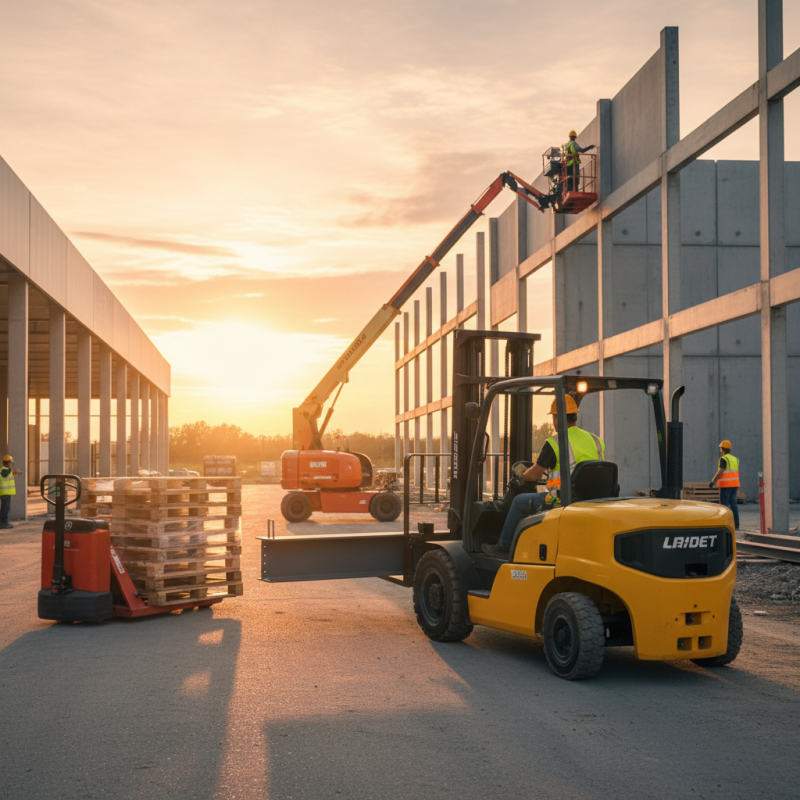
Mobile lifting equipment plays a crucial role in various industries, providing efficient solutions for heavy lifting tasks. This equipment includes forklifts, scissor lifts, and aerial platforms. Understanding these types can help in selecting the right equipment for your specific needs. According to industry reports, the global mobile lifting equipment market is expected to grow at a CAGR of 5.5% from 2021 to 2026.
Forklifts are widely used for transporting goods. They excel in warehouses and manufacturing facilities. Scissor lifts, on the other hand, are ideal for elevating workers and tools to reach high areas safely. Aerial platforms are versatile and can be used indoors and outdoors for various applications. Each type of equipment has unique features that enable specific functionalities.
Tips: Always consider the load capacity and working height when selecting equipment. Regular inspections are crucial for safety. Be aware that operator training is vital; inexperienced operators pose risks. Consistent maintenance can prevent equipment failure. In the end, choosing the right mobile lifting equipment demands careful evaluation of options available.
Applications of Mobile Lifting Equipment in Various Industries
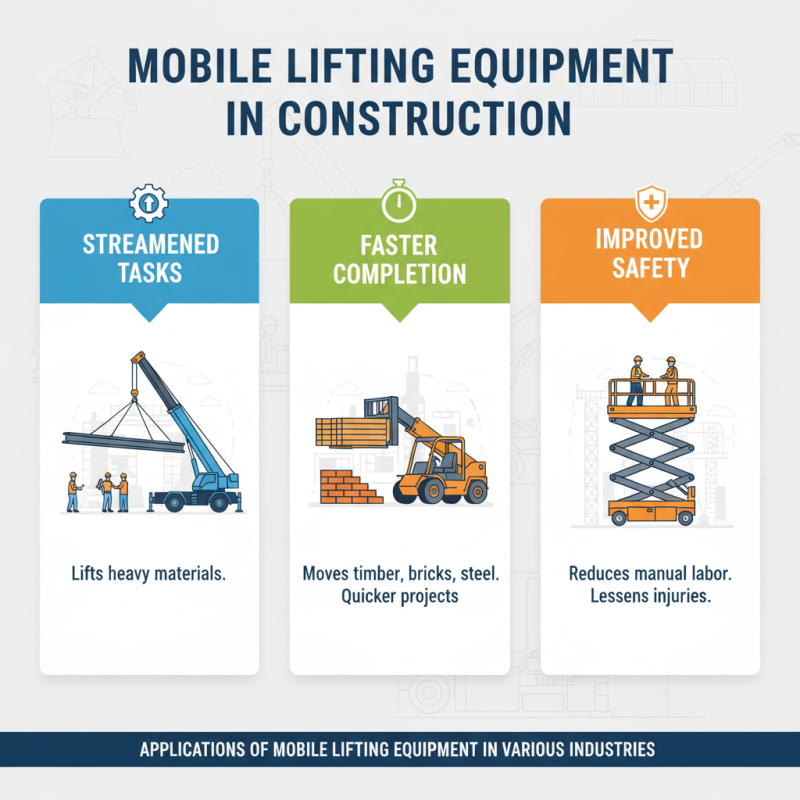
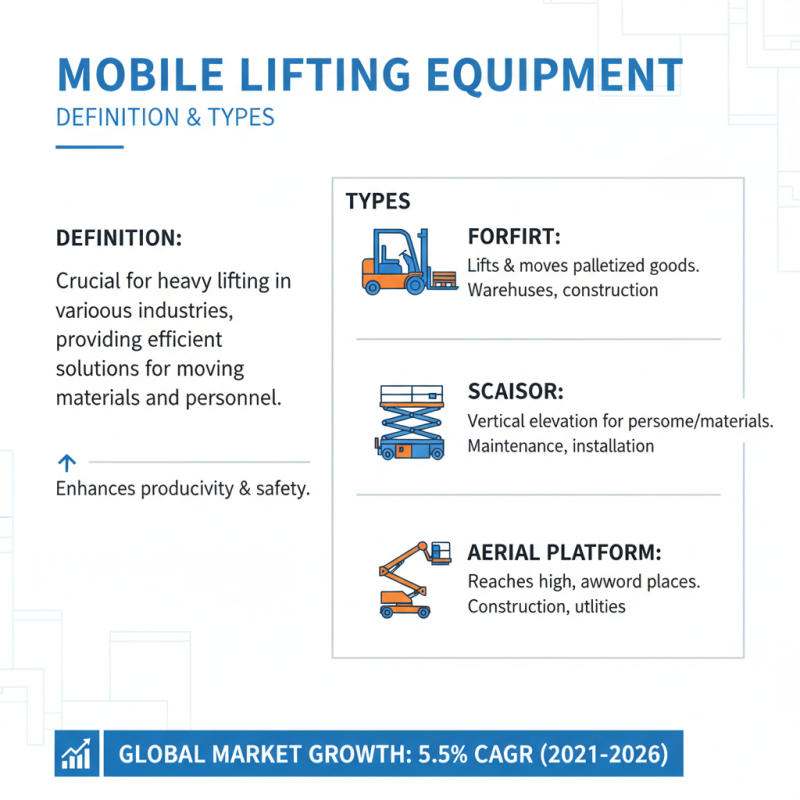
Mobile lifting equipment plays a vital role across various industries. In construction, these machines streamline tasks by lifting heavy materials. They simplify the process of moving timber, bricks, and steel, allowing for quicker project completion. Workers can efficiently position heavy loads at various heights, reducing manual labor and the potential for injuries.
In the manufacturing sector, mobile lifting equipment enhances production efficiency. Factories use it to transport parts and products along assembly lines. This reduces downtime and keeps operations flowing smoothly. However, improper handling can lead to accidents. Ensuring operators receive proper training is essential to minimize risks.
Logistics and warehousing also benefit significantly. Mobile lifters move goods quickly, optimizing storage space and retrieval processes. They make loading and unloading trucks more efficient. Yet, sometimes, issues arise with maintenance or equipment limitations. Regular checks can help prevent unexpected breakdowns and ensure reliability. Emphasizing good practices can lead to smoother operations in these dynamic environments.
Principles of Operation for Mobile Lifting Equipment
Mobile lifting equipment plays a crucial role in various industrial applications. Its operation relies on fundamental principles of mechanics. These principles include force, torque, and balance that allow operators to safely and efficiently lift heavy loads. According to a report by the Industrial Truck Association, the global market for mobile lifting equipment is expected to reach $29 billion by 2025, highlighting its importance in modern operations.
The design of this equipment often utilizes hydraulic systems. These systems convert small inputs into significant lifting force. For example, a hydraulic cylinder can multiply force, making it easier to lift cumbersome items. Additionally, safety features like limit switches and overload protection ensure that the equipment operates within safe parameters. Nevertheless, data shows that improper training can lead to a 25% increase in workplace accidents involving lifting equipment, underscoring the need for proper operator education.
Regular maintenance is essential. Failing to adhere to maintenance schedules can result in serious equipment malfunctions. Studies indicate that more than 50% of lifting equipment failures stem from a lack of preventive maintenance. Operators must conduct thorough inspections each day before use. They should also keep detailed records of maintenance performed. This diligence not only enhances safety but also extends the lifespan of the equipment.
What is Mobile Lifting Equipment and How Does It Work?
| Equipment Type |
Load Capacity (kg) |
Power Source |
Lift Height (m) |
Operating Principle |
| Forklift |
3000 |
Electric |
4.5 |
Hydraulic lift mechanism powered by battery. |
| Scissor Lift |
1000 |
Diesel |
10 |
Use of scissor mechanisms to elevate the platform. |
| Boom Lift |
1200 |
Gas |
15 |
Telescopic arm allows for extended reach and height. |
| Telehandler |
3500 |
Diesel |
6 |
Versatile machine for lifting loads with a boom and various attachments. |
| Aerial Work Platform |
500 |
Electric |
12 |
Platform elevated for vertical access to high locations. |
Safety Features and Regulations for Mobile Lifting Equipment
Mobile lifting equipment plays a critical role in various industries, but safety remains a paramount concern. According to the Occupational Safety and Health Administration (OSHA), nearly 25% of serious injuries at construction sites involve lifting equipment. This statistic underscores the significance of adhering to safety regulations to protect workers.
Regulations surrounding mobile lifting equipment encompass multiple safety features. Operators must receive proper training to understand weight limits, stability requirements, and emergency protocols. The American National Standards Institute (ANSI) notes that equipment must have visual indicators for load limits and stability. Inspections of mobile lifting machines should occur frequently, as per industry standards, ensuring functional safety mechanisms like brakes and load indicators.
Moreover, certifications for operators enhance reliability in the field. The International Organization for Standardization (ISO) recommends regular training updates. Yet, many operators often overlook this vital aspect. Regular competency assessments can mitigate risks. It is essential to address any gaps in training or potential equipment flaws. Prioritizing safety will reduce accidents and improve operational efficiency.
Maintenance and Best Practices for Mobile Lifting Equipment
Mobile lifting equipment plays a crucial role in various industries, helping workers lift heavy loads efficiently. However, if not maintained properly, these machines can pose serious safety risks. Regular inspections and proper servicing are essential to ensure functionality. Any visible wear or damage should be addressed immediately. Operators must be trained to recognize signs of mechanical issues.
Best practices for maintaining mobile lifting equipment include keeping a detailed log of inspections and repairs. This log helps track the equipment’s history and identify recurring problems. Regular cleaning is also vital; dirt and debris can cause malfunctions. Lubrication of moving parts prevents unnecessary wear. It's important to ensure that all safety features, like emergency stops, are in working order.
Despite these efforts, human error can still occur. Operators may overlook small warning signs, leading to larger issues. Regular training refreshers can help keep everyone vigilant. Reflecting on past experiences can improve overall safety practices. A culture of safety is key to effective equipment maintenance. Each team member plays a role in keeping operations safe and efficient.







 Ms.Lily International Sales Director
 Join 3S Group