How to Choose the Right Warehousing and Logistics Elevator?
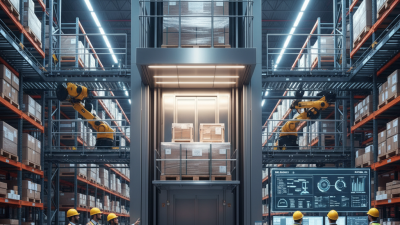
Choosing the right warehousing and logistics elevator is crucial for optimizing operations. Elevators play a vital role in transporting goods efficiently. However, the selection process can be challenging due to various factors.
A key aspect to consider is capacity. The right elevator must support your daily operations without causing delays. Think about the volume and weight of goods you'll move. Besides, safety features are non-negotiable. Look for elevators that comply with industry standards to ensure a secure working environment.
Additionally, assess the layout of your warehousing space. A well-fitted elevator enhances workflow. It's essential to consult with experts who understand your specific needs. This process may reveal unexpected challenges and opportunities for improvement. Taking the time to evaluate all these factors will lead to a more reliable choice in your warehousing and logistics elevator.
Understanding the Importance of Elevators in Warehousing and Logistics
In the ever-evolving world of warehousing and logistics, elevators play a vital role. They are not merely tools but essential components that enhance efficiency and safety. According to a study by the Material Handling Industry of America (MHIA), nearly 75% of warehouses report improved operations with proper elevator systems. This is crucial as the average warehouse operates at a capacity of 75%. Optimizing vertical movement can significantly reduce transit times, leading to increased productivity.
Proper elevator selection impacts inventory management. A survey by the Warehousing Education and Research Council (WERC) highlights that 67% of logistics managers consider vertical transport crucial for effective stock retrieval. Elevators allow for quicker movement of goods between levels, minimizing bottlenecks. However, choosing the wrong system can lead to downtime and increased costs. It is essential to assess load capacities, speed, and layout compatibility to prevent operational inefficiencies.
Many warehouses overlook maintenance costs or staff training, which can lead to unanticipated challenges. Regular inspections are vital, as 80% of elevator malfunctions stem from poor upkeep. Investing in quality systems without planning can create future headaches. Therefore, ensuring a clear understanding of elevator functionality is key to addressing both current and future operational goals.
Key Factors to Consider When Choosing a Warehousing Elevator
When selecting a warehousing and logistics elevator, several key factors deserve attention. Capacity is crucial. Data suggests that nearly 30% of logistics failures stem from improper load management. A well-chosen elevator prevents overloads. Assessing the weight limits is essential. Consider the type of goods moved. Heavy machinery, pallets, and bulk items typically require specific models.
Speed and efficiency significantly impact warehouse productivity. A recent report indicated that higher elevator speeds enhance operational effectiveness by up to 25%. Users must determine the ideal speed necessary for their operations. Too slow can cause delays. Too fast might compromise safety. Additionally, the floor-to-floor height must align with operational needs. Ensuring compatibility prevents extra costs and complications.
Safety features are non-negotiable. According to industry standards, elevators should have overload sensors and emergency brakes. Regular maintenance checks can reduce risks. A survey revealed that 40% of warehouse incidents occurred due to equipment failure. Investing in quality elevators ensures reliability and minimizes accidents. Reflecting on these aspects is essential for long-term warehouse success.
How to Choose the Right Warehousing and Logistics Elevator? - Key Factors to Consider When Choosing a Warehousing Elevator
| Key Factor |
Description |
Importance Rating (1-5) |
| Load Capacity |
The maximum weight the elevator can safely lift. |
5 |
| Elevator Speed |
The speed of the elevator which affects operational efficiency. |
4 |
| Space Requirements |
The physical dimensions of the elevator and the space needed for installation. |
4 |
| Safety Features |
Includes emergency stop, safety brakes, and load sensors. |
5 |
| Energy Efficiency |
How much energy the elevator consumes during operation. |
3 |
| Maintenance Requirements |
Frequency and cost of required maintenance services. |
4 |
| Customization Options |
Ability to adapt the elevator features to specific warehouse needs. |
3 |
| Compliance Standards |
Adherence to local and international safety and quality standards. |
5 |
Types of Elevators Suitable for Logistics Operations
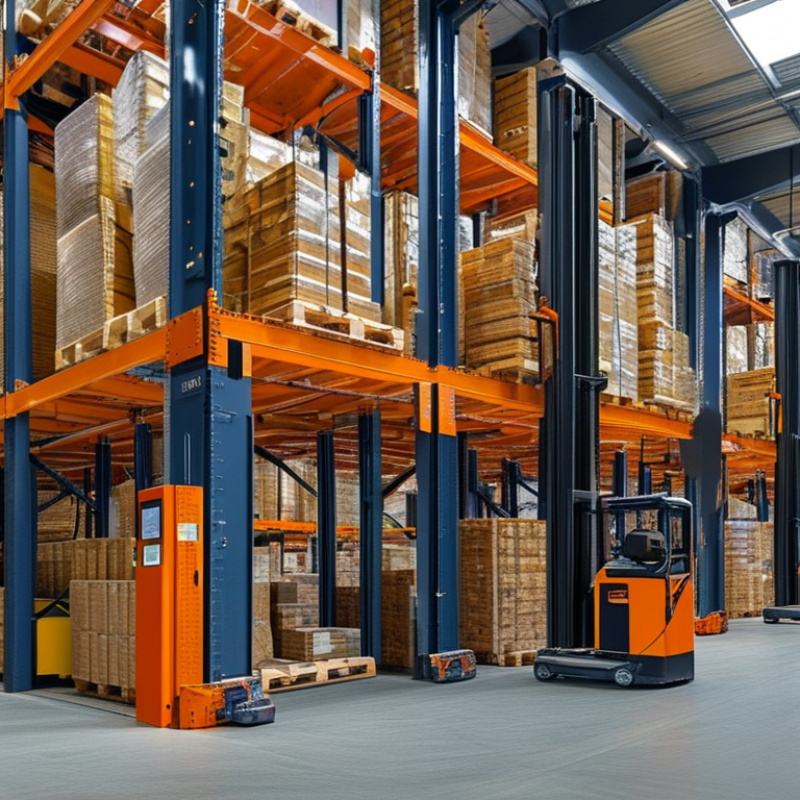
When selecting the right elevator for logistics operations, it’s crucial to understand the types available. There are several options tailored to meet various needs. Freight elevators are popular for transporting heavy goods in warehouses. They have robust designs and larger capacities. These elevators often feature wider doors for easy access.
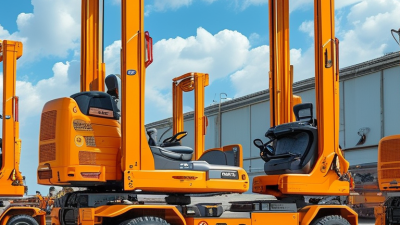
Another option is service elevators. They are designed for carrying both goods and personnel. This dual functionality can save time in busy environments. However, it's important to ensure they have the necessary load ratings. Additionally, scissor lifts are useful in warehouses for quick access to high storage areas. These lifts have a compact design and can move both loads and workers efficiently.
Consider your specific operations when choosing. Sometimes a combination of elevator types may offer the best solution. Budget constraints could limit options. Assessing long-term needs versus short-term costs can be challenging. It’s wise to involve your team in the decision-making process to gather different perspectives. This can highlight potential concerns you may have overlooked.
Evaluating Elevator Capacity and Efficiency for Your Needs
When selecting a warehousing and logistics elevator, capacity and efficiency are crucial. Understanding your load requirements is vital. Assess the weight and size of the goods you need to transport. Different elevators offer varying capacities. An underutilized elevator can waste both space and resources. Conversely, an elevator with too low a capacity may lead to operational delays.
Efficiency is equally important. Look for elevators designed for frequent use. Some models have quick cycle times, which can significantly enhance workflow. You may also consider energy-efficient solutions. They not only reduce electricity costs but contribute to sustainability efforts. Review the speed and motor capabilities.
Beyond technical specifications, usability matters too. Train staff on proper elevator operation. Misuse can lead to damage or safety risks. Regular maintenance checks can enhance reliability and longevity. Feel free to reflect on past experiences. Were there challenges with older models? Learning from these can guide you in choosing the right elevator for your warehouse needs.
Maintenance and Safety Considerations for Warehousing Elevators
When choosing a warehousing elevator, maintenance and safety should be top priorities. Regular inspection is vital. Elevators must be checked for wear and tear. Cables, pulleys, and safety features should all function properly. A little attention can prevent bigger problems. Consider scheduling maintenance every few months.
Training for operators is equally important. They should understand the elevator's limitations and safety protocols. Clear signage about weight limits and usage instructions is essential. This way, accidents can be significantly reduced. Proper training helps in recognizing potential hazards early.
Safety features like emergency brakes and alarms provide added layer of protection. However, they only work if users know how to activate them. Regular drills can enhance preparedness. It’s crucial to foster a culture of safety in the workplace. Reflection on past incidents can guide improvements. Each small step taken can lead to a safer warehousing environment.



 Ms.Lily International Sales Director
 Join 3S Group