How to Choose the Right Warehousing and Logistics Elevator?
In the dynamic world of logistics, choosing the right Warehousing and Logistics Elevator is crucial. John Smith, a leading expert in warehouse optimization, emphasizes, “The right elevator boosts efficiency and safety in any operation.” This quote highlights the importance of making an informed choice.
Selecting a Warehousing and Logistics Elevator involves evaluating specific needs. Factors like load capacity, speed, and space constraints play significant roles. An ill-suited elevator can lead to inefficiencies and increased costs. Every decision should be backed by data and real-world performance metrics.
Industry trends show a rise in demand for advanced elevator systems. These systems provide innovative solutions for complex challenges. However, the market can be overwhelming. It's vital to consult with experts and review case studies before committing to an elevator system. This decision impacts not only daily operations but also long-term success.
Factors to Consider When Selecting a Warehousing Elevator for Logistics
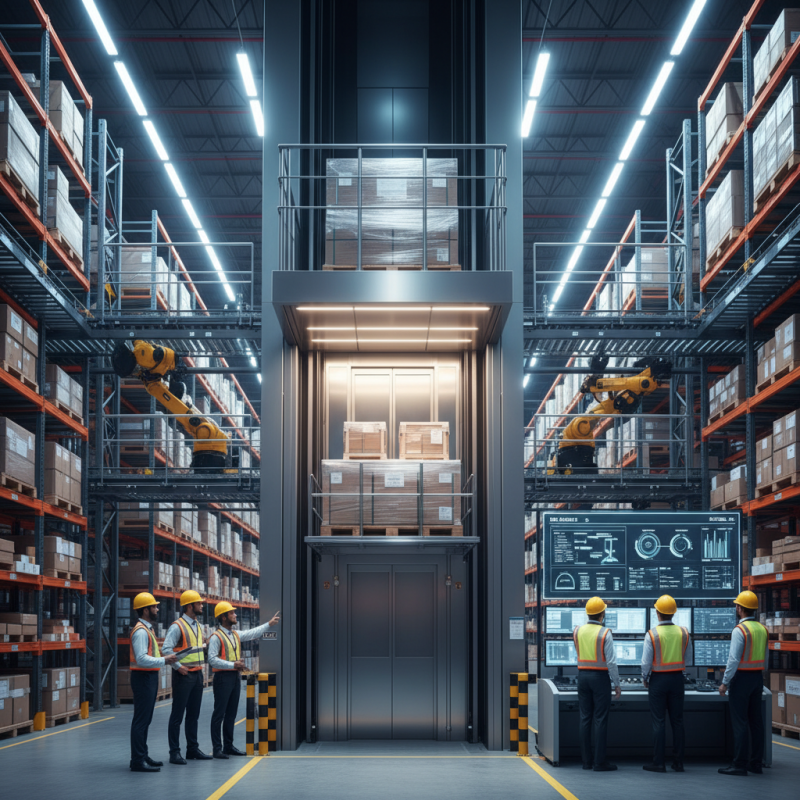
When selecting a warehousing elevator for logistics, various factors demand attention. The load capacity is paramount. Know the weight of goods you plan to move. A mismatch can lead to operational inefficiencies. Consider the available space. It’s essential to measure the height and width. A well-fitted elevator enhances workflow.
Safety is another critical aspect. Features like automatic doors and emergency brakes should be on your checklist. Manually operating an elevator can be risky. Look for units that adhere to safety regulations. This ensures the protection of both goods and personnel.
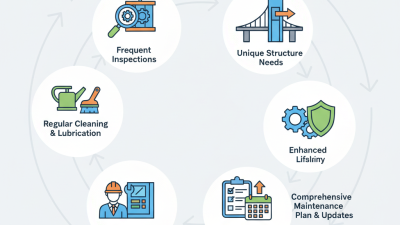
Tips: Regular maintenance helps prevent unexpected breakdowns. Create a check-up schedule. Also, consider energy efficiency. Eco-friendly options can reduce operating costs in the long run. Lastly, think about future needs. Flexibility in design can accommodate growth. Will your logistics change in the next few years? Evaluate carefully.
Understanding Load Capacity Requirements for Efficiency in Warehousing
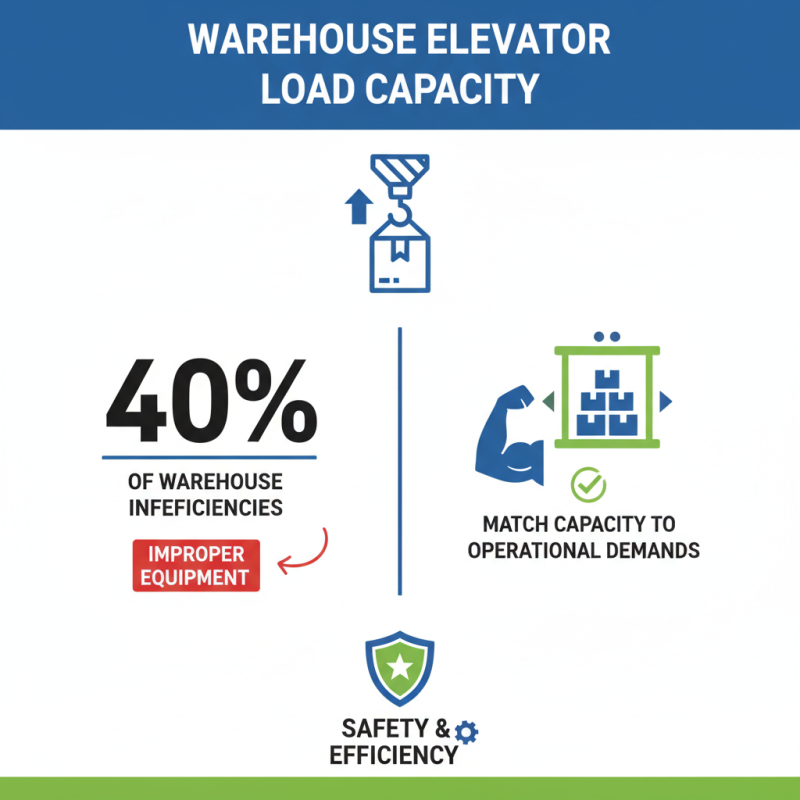
When selecting a warehousing and logistics elevator, load capacity is a crucial factor. Properly understanding the load capacity ensures efficiency and safety. According to the Material Handling Industry of America, 40% of warehouse inefficiencies stem from improper equipment selection. This underscores the need to match elevator specifications with your operational demands.
Elevators in warehousing should handle various loads, from light materials to heavy pallets. Each type of goods has specific requirements. For instance, an elevator must support the weight and dimensions of pallets, which often weigh between 1,500 to 3,000 pounds. Failing to account for these specifics can lead to costly errors.
**Tip:** Always conduct a thorough assessment of your load requirements before purchasing.
To maintain efficiency, also consider the lift speed and operating frequency. A slow elevator can lead to bottlenecks. Research indicates that optimizing elevator speed can improve overall productivity by 25%.
**Tip:** Monitor and adjust your elevator’s use based on peak operational times.
Understanding these facets grants warehouses the ability to function smoothly. Continuous evaluation of load capacities can prevent mishaps and enhance the operational flow. Make informed decisions for better outcomes.
Evaluating Speed and Performance Metrics of Logistics Elevators
When selecting a logistics elevator, speed and performance metrics are crucial. According to industry data, elevating systems should ideally operate at speeds of 150 to 300 feet per minute. This speed range maximizes efficiency while ensuring safety. Delays in warehousing operations can cost companies significantly, estimated at around $150,000 annually due to downtime.
Performance metrics like load capacity also play an essential role. Most logistics elevators can handle between 2,000 to 5,000 pounds. This range is suitable for diverse warehousing needs. However, underestimating load requirements can create bottlenecks. Regular maintenance checks can mitigate risks associated with performance degradation over time.
Another factor to consider is energy efficiency. Elevators that consume less energy often yield long-term cost savings. Reports indicate that energy-efficient systems can reduce operational costs by up to 20%. Such statistics highlight the importance of balancing speed, capacity, and energy consumption. Making informed choices ensures better operational flow in warehouses.
Assessing Space Constraints and Design Compatibility in Warehousing
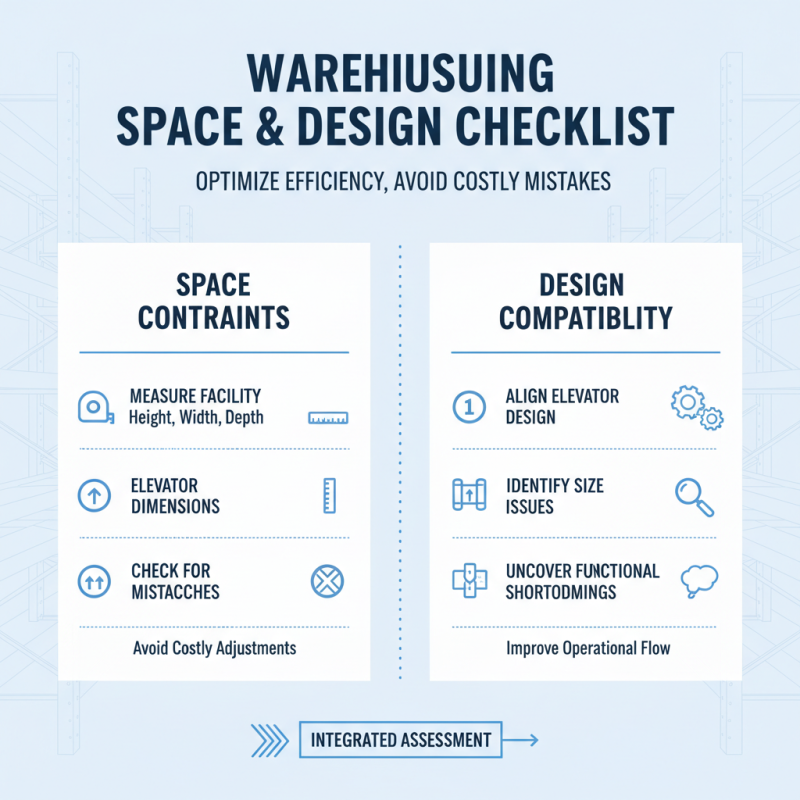
When assessing space constraints for warehousing, it’s essential to consider the specific dimensions of the facility. Measure the height, width, and depth of the available area. Ensure that the elevator design aligns with these measurements. A mismatch can lead to costly adjustments later. This process may reveal more than just size issues; it can uncover functional shortcomings as well.
Design compatibility is crucial. The elevator must seamlessly integrate into the existing workflow. For instance, the placement of the elevator should not obstruct traffic flow. Consider accessibility; users should be able to operate it without difficulties. Inspect surrounding structures to avoid unnecessary complications. Think about future scalability as well. As inventory grows, so might the need for larger or additional elevators.
Evaluate your current and anticipated needs. Analyze whether the proposed elevator can adapt to a shifting job landscape. Sometimes, the initial choice may seem perfect. Yet, as operations evolve, flaws in foresight can become glaring. Reflecting on these aspects can guide a more informed decision, preventing oversights that many warehousing managers face.
The Role of Safety Standards and Regulations in Elevator Selection
When selecting an elevator for warehousing and logistics, safety standards are paramount. Your chosen elevator must meet local and international safety regulations. Compliance with these standards protects workers and goods, reducing potential accidents. Look for elevators that have been certified by relevant safety organizations. This certification indicates that the equipment meets or exceeds safety requirements.
Tips for ensuring safety during the selection process include reviewing maintenance records. Regular inspections are crucial for keeping elevators in safe working condition. Verify if the elevator has emergency protocols, such as stop buttons and alarms, ensuring swift response in case of malfunction.
Another key point is to analyze the installation environment. Elevators in warehouses often face heavy loads and frequent use. Therefore, ensuring that the design considers these factors is critical. Look for robust features that can handle such demands, while still adhering to safety standards. If you notice a lack of detailed specifications, reflect on whether that equipment can truly meet your needs.
How to Choose the Right Warehousing and Logistics Elevator? - The Role of Safety Standards and Regulations in Elevator Selection
| Criteria |
Importance Level |
Relevant Safety Standards |
Considerations |
| Load Capacity |
High |
ASME A17.1, ISO 25745 |
Assess weight of goods to ensure safety and efficiency. |
| Safety Features |
Critical |
EN 81-20, EN 81-50 |
Should include emergency brakes and alarms. |
| Energy Efficiency |
Moderate |
ISO 50001 |
Consider impact on energy consumption and costs. |
| Compliance with Regulations |
Essential |
OSHA, ANSI |
Ensure adherence to local and national laws. |
| Operational Ease |
High |
N/A |
User-friendly controls and maintenance access. |
| Installation Space |
Moderate |
N/A |
Assess physical space and layout requirements. |





 Ms.Lily International Sales Director
 Join 3S Group