How to Choose the Best Aerial Work Equipment for Your Needs?
Choosing the right Aerial Work Equipment can significantly impact your project’s success. With various options available, it can feel overwhelming. It's essential to understand your specific needs before making a decision. Each project has unique requirements regarding height, reach, and weight capacity. Moreover, safety and reliability should always be a priority.
While many products claim to be the best, not all meet the rigorous standards necessary for your work environment. High-quality Aerial Work Equipment should come from reputable manufacturers. Researching brands and reading reviews can provide valuable insights. Ask for recommendations from professionals in your industry.
Consider the long-term costs as well. Investing in more reliable equipment may save you money in the long run. Trouble arises when equipment fails or is unsuitable for a task. Reflecting on past experiences can guide your choices. Ultimately, finding the right Aerial Work Equipment demands careful consideration and ongoing evaluation.
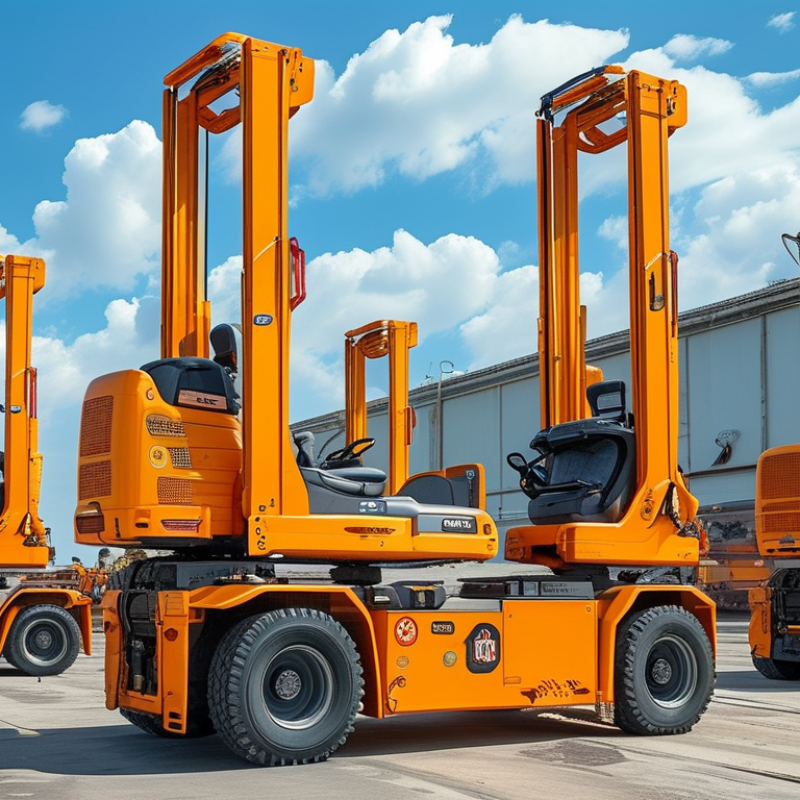
Identify Your Aerial Work Requirements and Job Specifications
Choosing aerial work equipment requires a clear understanding of your requirements and job specifications. Assess the height, weight capacity, and reach needed for your tasks. A recent report by the International Powered Access Federation (IPAF) stated that improper equipment choice can lead to a 39% increase in job site accidents. This highlights the importance of thorough evaluation.
Consider factors like work environment and terrain. Indoor jobs may need different machines than outdoor ones. Remember that equipment must navigate varying surfaces. Weather conditions can also play a significant role in decision-making. Make a checklist to document all your needs before selecting equipment.
Tips:
- For hard-to-reach areas, compact machines can help.
- Always assess safety features.
- Evaluate operator training opportunities.
Keep in mind the balance between
equipment capability and safety measures. Regular training for operators can significantly mitigate risks on-site. The focus should be on ensuring both efficiency and safety while using aerial work platforms.
Assess the Working Environment and Site Conditions
When assessing the working environment for aerial work equipment, site conditions play a crucial role. According to a report by the International Powered Access Federation (IPAF), about 30% of accidents in aerial work stem from unsuitable work environments. It's essential to evaluate factors like terrain type, height restrictions, and ground stability. For example, uneven ground may require equipment with a wider base to enhance stability.
Weather conditions also significantly influence equipment choice. Studies show that high winds can limit the safe operation of certain aerial lifts. Equipment may need to meet specific standards to operate safely in adverse weather. Visibility is another aspect to consider. Poor lighting can hinder operational safety. A survey revealed that nearly 25% of aerial lift-related accidents occurred in low visibility conditions, emphasizing the need for adequate site assessment.
In addition, understanding the workload and reach needed for tasks can ensure the right equipment is chosen. Overloading equipment can lead to severe accidents, as shown in research by the Occupational Safety and Health Administration (OSHA). Operators must also consider their own skill levels and experience when selecting equipment. This assessment can lead to safer work practices and reduced risk of incidents.
Evaluate Different Types of Aerial Work Equipment Available
When choosing aerial work equipment, it’s essential to evaluate the different types available.
Scissor lifts are popular for their stability and versatility.
They work well for tasks that require vertical lifting. However, they may struggle on uneven terrain.
Boom lifts, on the other hand, offer greater outreach.
They can extend to hard-to-reach areas, making them suitable for various projects.
Yet, they can be more complex to operate.
Another option to consider is the cherry picker,
which provides a platform for workers at height.
These machines excel in tasks like tree trimming or building maintenance.
However, working at height always involves risks. Ensure proper training before usage.
A thorough inspection of the equipment is also critical.
Operators must be aware of weight limits and safety protocols.
Understanding your specific needs, such as the work environment and height requirements,
is crucial when selecting the right equipment.
Consider Safety Features and Compliance Regulations
Choosing aerial work equipment requires careful consideration of safety features and compliance regulations. According to the Occupational Safety and Health Administration (OSHA), falls are a leading cause of workplace fatalities. Therefore, ensuring that your equipment meets safety standards is critical. Look for models equipped with safety harnesses, guardrails, and emergency descent systems. These features can significantly reduce the risk of accidents, making your work environment safer.
When evaluating compliance, know the local regulations that govern aerial work platforms. The American National Standards Institute (ANSI) provides guidelines for equipment operation and safety. Compliance with these regulations not only ensures worker safety but also protects businesses from legal liabilities. Regular maintenance checks can help maintain compliance. Keep records of any inspections or repairs for accountability.
Tip: Always train your team on equipment features and safety protocols. This knowledge is crucial for preventing accidents. Investing in training can yield a higher return by mitigating risks.
Another consideration is equipment selection based on the specific job requirements. Not all jobs are the same, and equipment must fit the task profile. For instance, consider the working height, load capacity, and environment. Using inappropriate equipment can lead to inefficiencies and safety hazards. Reassess your equipment needs regularly to align them with changing job demands.
Safety Features and Compliance Regulations of Aerial Work Equipment
This chart illustrates the importance level of various safety features and compliance regulations in aerial work equipment, with a scale from 1 to 10. Understanding these factors is crucial when selecting the best equipment for your needs.
Determine Budget Constraints and Cost-Effectiveness
When selecting aerial work equipment, understanding your budget constraints is crucial. A report by IBISWorld indicated that the average cost of aerial lifts can range from $20,000 to $100,000, depending on the type and specifications. This price range necessitates careful planning. Businesses must assess not only the initial cost but also ongoing maintenance and training expenses. Ignoring these factors can lead to unexpected costs that impact overall project budgets.
Cost-effectiveness is equally important. The Machinery and Equipment Rental Market Report suggests that rental options can reduce upfront investments by up to 30%. However, renting may require frequent equipment updates, driving long-term costs higher. Evaluating the total cost of ownership versus rental can uncover savings. Companies often overlook these calculations, leading to budget overruns.
Finally, assessing the specific needs of your projects can guide equipment choices. A versatile aerial lift may seem appealing, but if projects are limited, it could be an unnecessary expense. Inaccurate estimations of equipment utility can lead to a waste of resources. Reflecting on past project budgets and equipment usage patterns can provide valuable insights. Making informed decisions based on reliable data enhances the chance of maximizing efficiency and minimizing costs.



 Ms.Lily International Sales Director
 Join 3S Group