10 Essential Tips for Bridge Maintenance Elevators You Should Know?
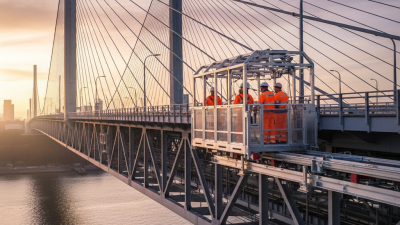
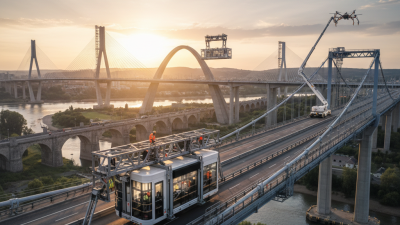
In the realm of infrastructure upkeep, "Bridge Maintenance Elevators" play a vital role. These specialized elevators allow technicians to access hard-to-reach areas of bridges efficiently. According to Daniel Reed, a renowned expert in the field, "Proper maintenance of bridge elevators is essential for safety and longevity." His insight highlights the importance of diligent care in these machines.
Bridge Maintenance Elevators are often subjected to harsh weather and heavy usage. Regular inspection and timely repairs can extend their operational life. Neglecting these essential tasks may lead to costly consequences. Many operators understand the basics but lack detailed knowledge about critical maintenance routines.
In this context, it is crucial to adopt best practices. The right maintenance strategies ensure these elevators operate safely and effectively. Experts emphasize that even minor issues should be addressed promptly. This approach can prevent bigger problems down the line. Understanding the intricacies of Bridge Maintenance Elevators is not just beneficial; it is necessary for successful bridge upkeep.
Key Components of Bridge Maintenance Elevators to Monitor Regularly
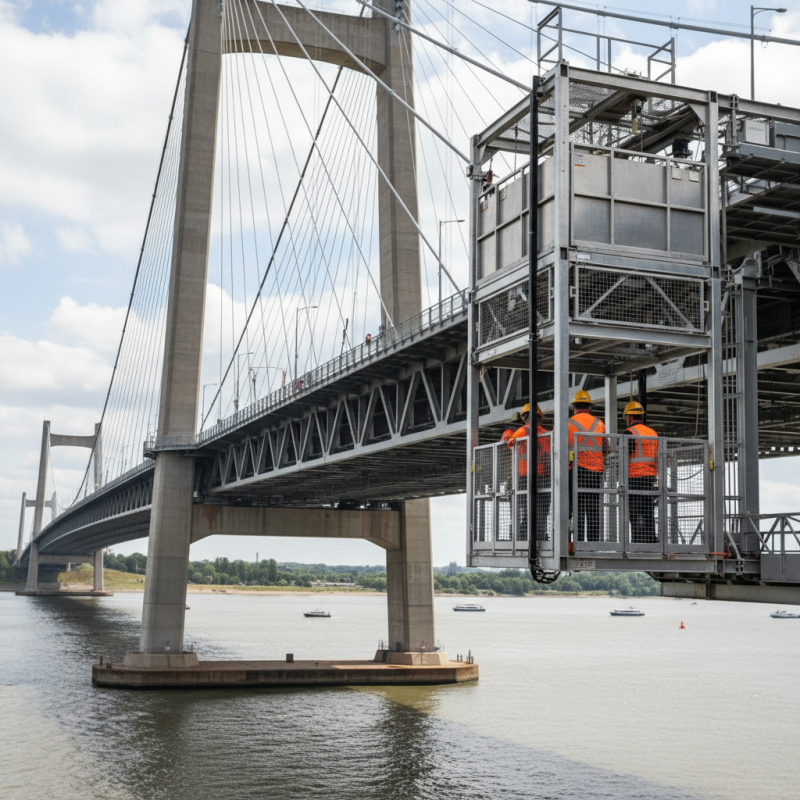
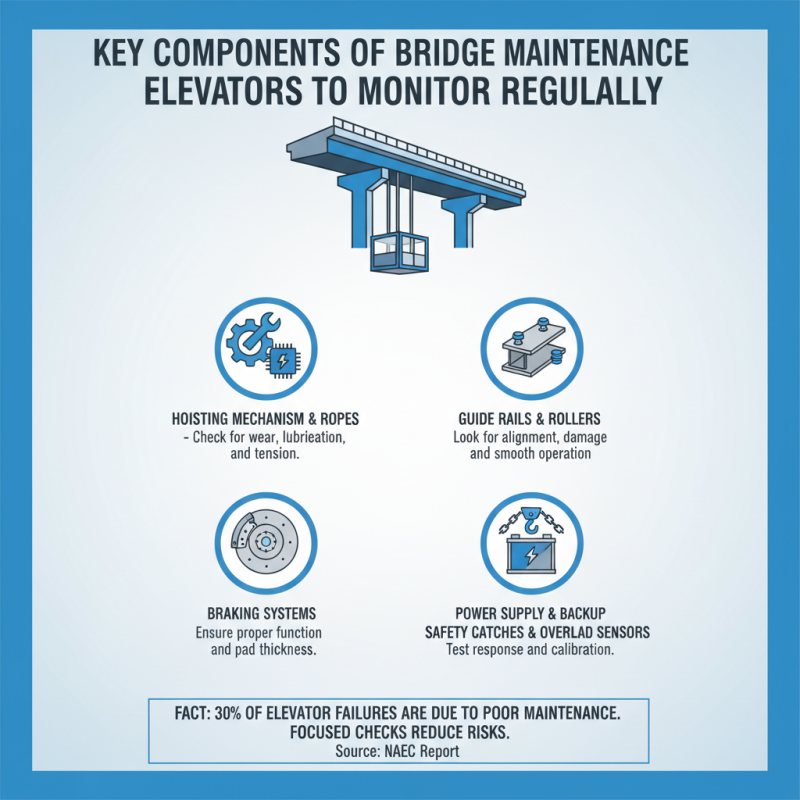
Bridge maintenance elevators play a crucial role in ensuring the safety and efficiency of infrastructure. Regular monitoring of key components is essential. According to a report by the National Association of Elevator Contractors, nearly 30% of elevator failures can be attributed to poor maintenance. Focusing on vital parts can significantly reduce risks.
One key component to monitor is the hoistway. Accumulation of debris in the hoistway can hinder the elevator's functionality. Inspections should occur quarterly to ensure that all safety features are intact. Additionally, the control system requires attention. Malfunctions in electronics account for roughly 20% of service interruptions. Regular checks can help identify potential issues before they escalate.
Inspecting the cables and pulleys is equally important. Worn cables can lead to catastrophic failures. Data from the Elevator Escalator Safety Foundation emphasizes that preventative maintenance can reduce accidents by up to 50%. Operators should conduct monthly visual inspections of these components. Addressing minor concerns immediately can help maintain overall reliability.
Importance of Routine Inspection for Bridge Maintenance Elevators
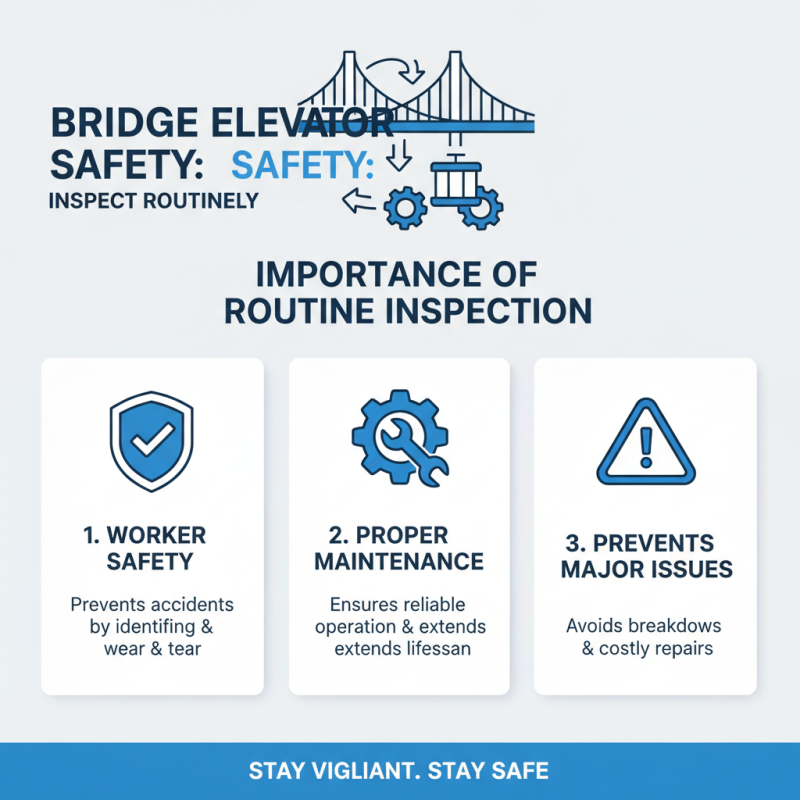
Routine inspection is crucial for bridge maintenance elevators. These systems play a vital role in ensuring worker safety and facilitating proper maintenance. Regular checks help identify wear and tear, which is essential for preventing accidents. Without routine inspections, unnoticed issues can lead to severe problems.
Inspecting components like cables, pulleys, and control systems is necessary. A small fray in a cable can escalate into a major incident. Experienced technicians are crucial in spotting these subtle signs of damage. They bring valuable knowledge to the process, ensuring compliance with safety standards.
Maintenance schedules should be strictly adhered to. Sometimes, overlooking a scheduled check can have dire consequences. It's essential to cultivate a culture of diligence in inspections. Keeping records of all maintenance activities is also vital. This documentation helps track performance and highlights recurring issues. Regular audits of these records can reveal patterns that need attention.
Common Issues Faced by Bridge Maintenance Elevators and Their Solutions
Bridge maintenance elevators are vital for accessing hard-to-reach areas. However, they often face common issues that can disrupt operations. According to a recent industry report, improper maintenance can lead to a 25% increase in safety hazards. Regular inspections can help identify potential problems early.
One common issue is hydraulic system failures. This can occur due to leaks or inadequate fluid levels. Regularly checking fluid status and securing connections can prevent these failures.
Tip: Conduct monthly inspections to catch any leaks and ensure proper functionality.
Another prevalent problem is electrical malfunctions. Loose wiring or component wear can lead to operational failures. By routinely checking connections and replacing worn-out parts, downtime can be minimized.
Tip: Keep a log of electrical maintenance to spot patterns and predict future problems.
Bridge maintenance elevators are essential, but they require diligence. Neglecting regular checks can result in costly repairs and increased risks. They are critical tools that require attention and care. It's essential to implement these tips for safe and efficient operations.
Best Practices for Ensuring Safety Standards in Elevators
Elevator safety is paramount in bridge maintenance. Regular inspections are essential to identify potential issues. Check the cables, bearings, and pulleys regularly. These components bear the weight and ensure smooth function. Look for wear and tear. Small problems can turn into larger ones if overlooked.
Training staff is crucial. They should recognize warning signs and understand emergency procedures. Regular drills can make a difference in real situations. Encouraging a culture of safety can help maintain high standards. Everyone should feel responsible for their safety. A single lapse can lead to accidents.
Documentation should not be neglected. Keep records of inspections and repairs. This can provide insights into recurrent issues. It also aids compliance with safety regulations. However, many facilities fail to maintain proper logs. This oversight can create major risks. Regular reviews of safety protocols help ensure that standards are met.
Bridge Maintenance Elevators Safety Standards
Recommended Maintenance Schedule for Optimal Elevator Performance
Maintaining bridge maintenance elevators is crucial for safety and performance. Establishing a recommended maintenance schedule helps ensure optimal functionality. Regular inspections can identify worn components early. For instance, check the cables and pulleys every three months. These parts endure high stress and can wear down quickly.
Moreover, conduct a thorough examination annually. Focus on hydraulic systems, brakes, and control panels. These areas are vital for smooth operation. If there's any unusual noise or delay in operation, investigate immediately. Timely repairs can prevent costly breakdowns and potential safety hazards.
Regular cleaning is essential, too. Dust and debris can hinder performance. Schedule cleaning every month. Include checking emergency systems in your routine. They must always function properly. Missing these details can lead to severe consequences. It’s easy to overlook small issues. However, ignoring them often leads to larger problems down the line. Creating a proactive maintenance routine is essential for overall safety and efficiency.




 Ms.Lily International Sales Director
 Join 3S Group