Best Building Renovation Elevators for Your Next Project?
When tackling a building renovation project, choosing the right equipment is crucial. Among the essential tools is the Building Renovation Elevator. This elevator is designed to handle heavy loads, making it invaluable for transporting materials. However, selecting the right model requires careful consideration. Each project has unique demands; therefore, the functionality and capacity of the elevator must align with those specific needs.
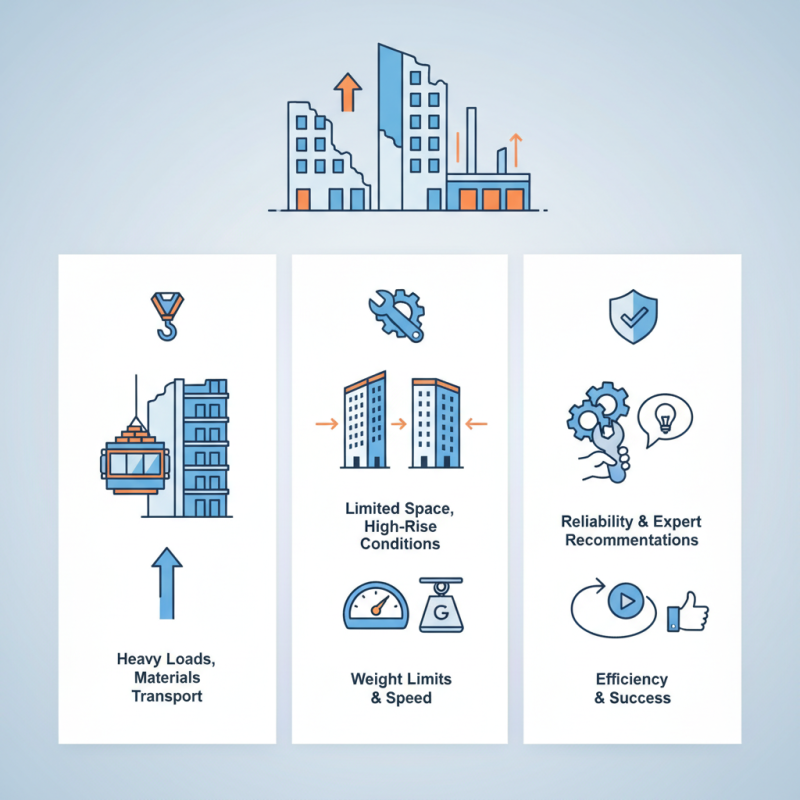
Many renovation projects face challenges like limited space or high-rise conditions. The Building Renovation Elevator can help overcome these obstacles. Yet, not all elevators are created equal. It's vital to evaluate their features, including weight limits and speed. Investing in the best equipment can significantly impact the project's efficiency and overall success.
Despite the advantages, some may overlook the importance of proper maintenance. Neglecting this can lead to unexpected delays or accidents. Therefore, it's essential to focus on reliability and expert recommendations when selecting a Building Renovation Elevator. Doing so will ensure a smoother renovation process and ultimately lead to satisfactory results.
Best Building Renovation Elevators: Types and Their Specifications
When planning a building renovation, selecting the right elevator is crucial. Various types of renovation elevators exist, each with specific features. Scissor lifts, for instance, are versatile and suited for indoor use. They work well in tight spaces and can handle heavy loads. Forklifts, on the other hand, are ideal for outdoor tasks, especially in large construction sites.
Consider your project’s unique needs before making a choice. Load capacity and height reach are critical. Scissor lifts typically range from 20 to 50 feet. Think about logistics, such as narrow hallways or busy work environments. Safety should never be compromised. Regular inspections are vital for ensuring reliability throughout the renovation.
Tip: Always check the weight limits of your selected elevator; overloading can lead to accidents. Training staff on proper usage is equally important. Be cautious about weather conditions if using outdoor types. Maintaining equipment during renovations can prevent costly downtime. A well-maintained elevator enhances project efficiency.
Best Building Renovation Elevators for Your Next Project
| Type |
Load Capacity (lbs) |
Lift Height (ft) |
Speed (ft/min) |
Power Source |
| Construction Hoist |
2,000 |
300 |
100 |
Electric |
| Freight Elevator |
5,000 |
200 |
50 |
Hydraulic |
| Scissor Lift |
1,000 |
40 |
20 |
Electric |
| Material Lift |
750 |
25 |
15 |
Electric |
| Dumbwaiter |
500 |
20 |
30 |
Electric |
Key Features to Look for in Renovation Elevators for Construction Sites
When selecting building renovation elevators for construction sites, there are key features to consider. Load capacity is critical. Ensure the elevator can handle the weight of materials and equipment you need to transport. A robust model can often accommodate several workers and their tools at once. Think about dimensions too. Elevators with larger cabins can speed up the process, allowing more workers to operate simultaneously.
Next, consider the elevator's speed and efficiency. Quick vertical transport saves time, especially in large projects. Look for models that provide smooth travel without jolting. Safety features are non-negotiable. Ensure there are emergency brakes, safety gates, and clear operational controls. These aspects contribute to a safer work environment.
Finally, ease of installation plays a role. Some elevators can be set up rapidly, which is crucial for tight project timelines. Reflect on your team's experience with previous models. If they struggled with setup, it may be worth exploring alternatives. Keep in mind that even small errors in selection can lead to bigger challenges later. Balancing these features will help find the right fit for your specific renovation needs.
Industry Standards and Regulations for Building Renovation Elevators
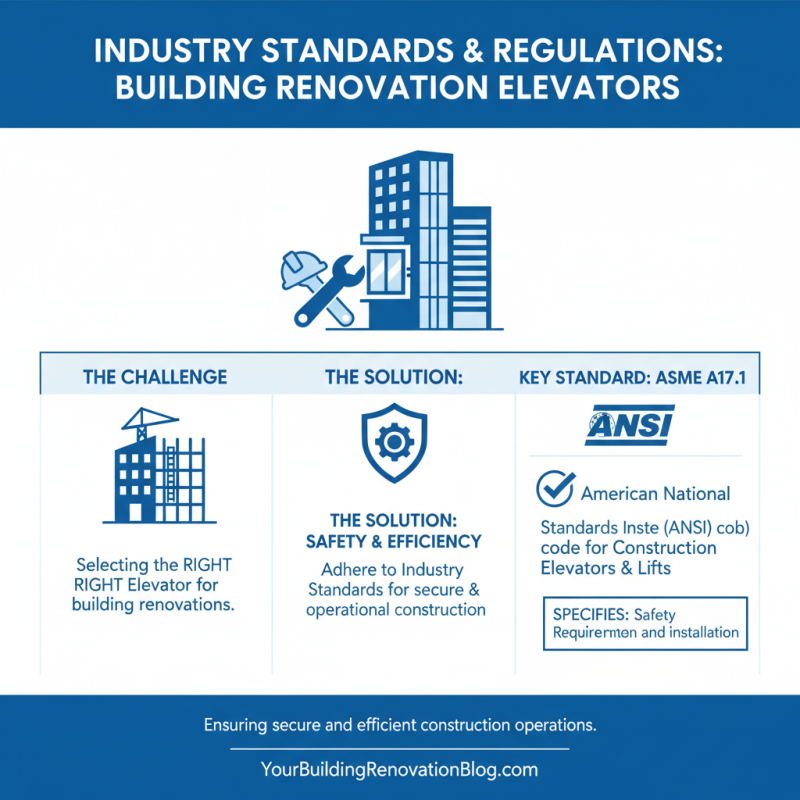
When undertaking building renovations, selecting the right elevator is crucial. However, it’s essential to understand the industry standards and regulations governing renovation elevators. These standards ensure safety and efficiency during construction operations. For instance, according to the American National Standards Institute (ANSI), elevators must adhere to the ASME A17.1 code. This code specifies safety requirements for construction elevators and lifts.
Many jurisdictions require inspections and certifications for renovation elevators before use. Compliance with local building codes is vital. Failures to meet regulations can lead to hefty fines or project delays. The Occupational Safety and Health Administration (OSHA) emphasizes proper training for operators to minimize accidents. Training reduces workplace injuries by about 20%, highlighting the importance of safety protocols.
In addition to safety, load capacity is a common concern. Renovation elevators typically handle between 2,000 and 4,000 pounds. Overloading can cause wear or mechanical failure, leading to safety hazards. Being aware of and adhering to these capacity limits is crucial. Reflecting on past projects, some have encountered unexpected challenges due to oversight in these regulations. This highlights the need for continuous education and vigilance in maintaining standard practices in the ever-evolving field of construction and renovation.
Comparative Analysis: Cost-Effectiveness of Different Elevator Models
When selecting an elevator for building renovations, cost-effectiveness is vital. Various elevator models offer different features and price points. A basic unit might save money up front, but it could lack durability, leading to higher overall maintenance costs. In contrast, investing in a more robust model can reduce repair needs over time. Assess the long-term implications of your choices.
Consider the size of your building and the expected traffic. Smaller, less busy buildings might benefit from hydraulic elevators that are initially cheaper but may not handle heavy loads efficiently. Larger buildings often require traction elevators to maintain speed and reliability. Reflect on the potential downtime during renovations when choosing.
Tips: Always evaluate the energy efficiency of the models. Think about installation costs, too. Simple installations might seem economical, but hidden fees can add up. Research local regulations that may affect your costs. Understanding these aspects will help you make a more informed decision. Watch out for models with hidden fees that could disrupt your budget. Aim for a balance between upfront costs and long-term value.
Safety Considerations and Best Practices for Using Renovation Elevators
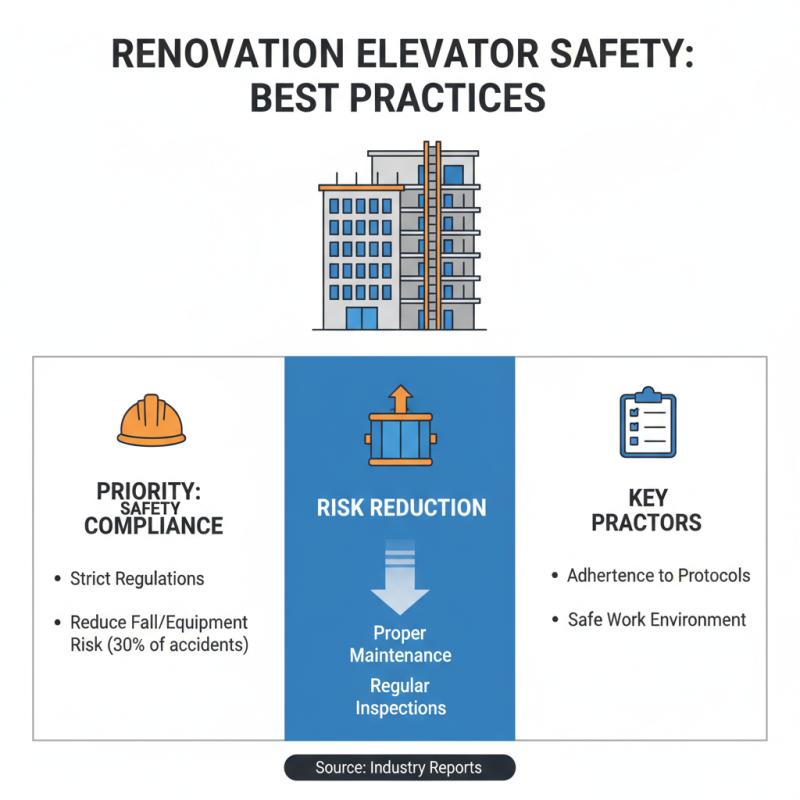
When planning a building renovation, safety should always be a top priority. Elevators used for renovation projects must comply with strict safety regulations. According to industry reports, nearly 30% of construction accidents involve falls or equipment-related injuries. Properly maintained renovation elevators drastically reduce this risk. Regular inspections and adherence to safety protocols are key factors in ensuring a safe work environment.
Training plays a critical role in safety. Workers should receive thorough training on how to operate elevators correctly. A study published by the Occupational Safety and Health Administration (OSHA) indicates that well-trained personnel can reduce accidents by up to 50%. Additionally, using ground guides can enhance safety when maneuvering heavy materials, preventing potential hazards.
Communication is vital in busy renovation environments. Teams must establish clear signaling systems for using elevators. Poor communication can lead to accidents and delays, costing projects time and money. Having safety meetings throughout the project can help address concerns and foster a culture of safety. Each of these elements is essential for not only meeting regulatory standards but also ensuring the well-being of all workers involved.






 Ms.Lily International Sales Director
 Join 3S Group