2026 How to Choose the Right Electric Wire Rope Hoist for Your Needs?
Choosing the right Electric Wire Rope Hoist is essential for many industries. In 2022, the global material handling equipment market reached approximately $32 billion. Electric Wire Rope Hoists play a critical role in this sector. These hoists enhance operational efficiency and safety. However, selecting the right one can be challenging.
Several factors influence the choice of an Electric Wire Rope Hoist. Load capacity, lifting height, and power source are key considerations. A report by Market Research Future suggests that the demand for efficient hoisting systems will grow by 5% annually. This rise emphasizes the importance of making informed choices. Organizations must evaluate their specific needs carefully. Limited attention to detail can lead to operational inefficiencies.
Technical specifications are paramount when selecting an Electric Wire Rope Hoist. Many assume high capacity equals suitability, which isn’t always true. Overestimating capacity can lead to increased costs and safety risks. Therefore, a thorough assessment of requirements is crucial. Remember, choosing the wrong hoist can have lasting consequences on both productivity and safety.
Understanding the Different Types of Electric Wire Rope Hoists
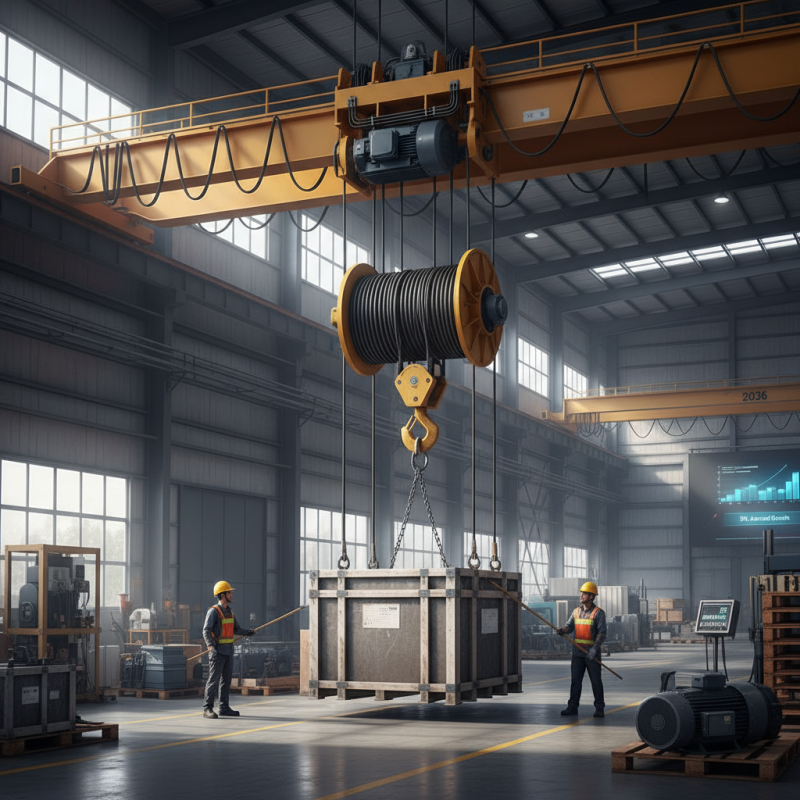
When selecting an electric wire rope hoist, understanding the different types is essential. There are two main categories: standard hoists and heavy-duty hoists. Standard hoists are suitable for lighter applications, providing a cost-effective solution. Heavy-duty hoists, however, are designed for demanding tasks and can lift significantly heavier loads.
Each type has unique features. Standard electric wire rope hoists often come with simpler controls and limited lifting capacities. Heavy-duty options may include advanced safety systems and enhanced durability. This makes them suitable for construction sites or industrial settings. Reflecting on your specific needs is vital here. Are you lifting lightweight items or undertaking challenging tasks?
Consideration of power source is also important. Electric hoists can be powered by different systems, affecting efficiency and convenience. For smaller jobs, a portable electric hoist could be practical. Larger, fixed hoists work better for extensive operations. Additionally, reevaluating your choices can highlight underestimations in load capacity or safety measures. Keep safety and functionality as primary drivers in your decision-making process.
Key Factors to Consider When Choosing an Electric Wire Rope Hoist
When selecting the right electric wire rope hoist, several key factors must guide your decision. Lift capacity is crucial. Different applications require different capacities. For instance, construction sites often need hoists with capacities ranging from 1 to 20 tons. Choosing one that meets your specific load requirements is essential. Reports indicate that using a hoist with inadequate capacity increases the risk of equipment failure.
Speed and lift height also play vital roles in your selection. Hoists with variable speed options provide flexibility. For example, slower speeds allow for greater precision, while faster options enhance efficiency. A study from the Material Handling Industry found that over 40% of operations benefit from speed variability. Additionally, consider the environment. Outdoor applications may require weather-resistant features. Dust, moisture, and varying temperatures can affect performance.
Safety features cannot be overlooked. Look for models with overload protection and emergency stop functions. Reports show that incorporating advanced safety features reduces accident rates significantly. Finally, maintenance and support are essential. Choose a hoist design that allows easy access for servicing. Regular maintenance extends the life of the equipment. Balancing all these factors can be challenging, but thorough research aids in making informed choices.
Key Factors in Choosing an Electric Wire Rope Hoist
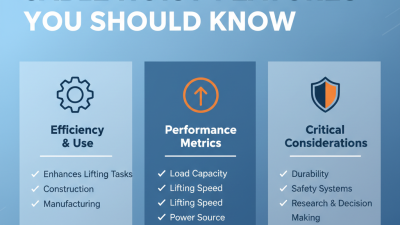
This chart illustrates the importance of various factors when selecting an electric wire rope hoist, based on user priorities.
Assessing Your Load Capacity and Lifting Height Requirements
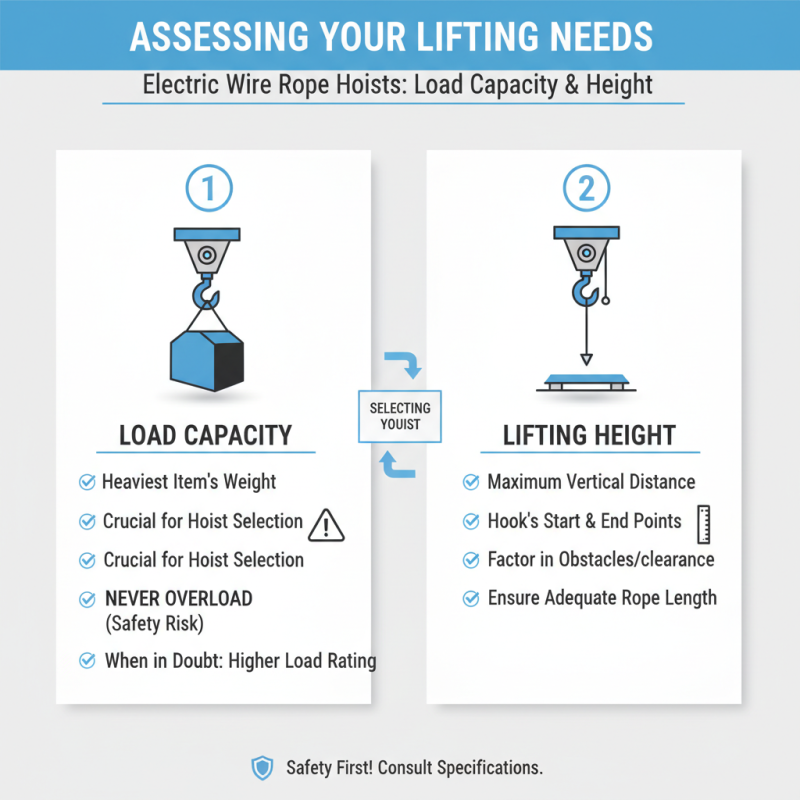
When selecting an electric wire rope hoist, understanding your load capacity is crucial. Determine the weight of the heaviest item you plan to lift. This will guide your choice of hoist. Overloading a hoist can lead to severe safety hazards. It can cause mechanical failure or lead to accidents. Always err on the side of caution. If in doubt, choose a hoist with a higher load rating.
Lifting height is another essential factor. Consider the distance from the ground to your lifting point. For instance, if you need to lift materials to a second-story window, ensure the hoist can accommodate that height. Some jobs require a greater lifting range, which influences your hoist selection. Inadequate lifting height may limit your project's scope.
Reflect on your specific needs as well. A hoist that works for one task may not for another. Your environment matters too. Different settings can affect hoist performance, like outdoor versus indoor usage. Taking the time to evaluate these critical aspects will lead to a more effective choice for your tasks. The right hoist can make a substantial difference in efficiency and safety.
Evaluating Safety Features and Maintenance Needs of Hoists
When selecting an electric wire rope hoist, safety features should be a top priority. The hoist should include overload protection. This prevents the hoist from lifting loads that exceed its capacity. Look for hoists with emergency stop buttons. These are essential for immediate shut-off in dangerous situations. Stability is also critical. Check for features that enhance the hoist's balance during operation.
Maintenance needs can often be overlooked. Regular inspections are vital for safety. Ensure the wires are checked for wear and tear. Inspect the hooks for any signs of bending or cracking. Lubricate moving parts according to the manufacturer's guidelines. This promotes longevity and optimal performance. Lack of maintenance can lead to mechanical failures, putting operators at risk.
Tips: Always keep a maintenance log. This helps track inspections and repairs. Educate your team on safety procedures. Continuous training reduces accidents and improves the effective use of the hoist. Safety is not just a one-time consideration; it requires ongoing attention and effort.
2026 How to Choose the Right Electric Wire Rope Hoist for Your Needs? - Evaluating Safety Features and Maintenance Needs of Hoists
| Criterion |
Description |
Importance Level |
| Load Capacity |
Maximum weight the hoist can safely lift. |
High |
| Lift Speed |
Speed at which the hoist can lift a load. |
Medium |
| Safety Features |
Includes limit switches, overload sensors, and emergency stop. |
High |
| Power Supply |
The required voltage and phase for operation. |
Medium |
| Control Type |
Options for manual or remote control for ease of use. |
Medium |
| Maintenance Requirements |
Frequency and type of maintenance needed to keep the hoist in good working condition. |
High |
| Warranty |
Length and terms of the warranty provided for the hoist. |
Medium |
Budgeting for Your Electric Wire Rope Hoist Selection and Purchase
When budgeting for an electric wire rope hoist, it’s essential to identify your specific needs. Assess how frequently you'll use it. Consider the weight capacity required for your tasks. These factors significantly influence the price range you will encounter. Additionally, think about potential future projects. A slightly higher investment now can save you money later.
Tips: Always keep maintenance costs in mind. Quality parts may cost more upfront but result in lower long-term expenses. Investigate warranty options. A robust warranty can indicate a manufacturer's confidence in their product.
Don’t overlook installation fees. Some hoists require professional installation, which can add to your budget. Look for training programs if your team lacks experience. Investing in training can prevent costly accidents. Evaluate your total costs continually. Sometimes, the initial price can be misleading. Shift your focus towards total ownership costs. This approach ensures you make a more informed decision tailored to your needs.



 Ms.Lily International Sales Director
 Join 3S Group