Top Hydropower Maintenance Platforms in 2026 What to Choose?
As we approach 2026, selecting the right Hydropower Maintenance Platform becomes paramount for efficiency and reliability. Hydropower plants are vital for sustainable energy. However, maintaining these intricate systems poses challenges. With evolving technology, various platforms emerge, each promising unique advantages.
Choosing a robust Hydropower Maintenance Platform is crucial. It affects operational efficacy, safety, and longevity of equipment. Key factors include user-friendliness, cost, and integration capabilities. A platform must support specialized tasks and real-time monitoring. The right choice can minimize downtime and enhance productivity.
Yet, it’s essential to reflect on the choices available. Some platforms may overpromise without delivering results. Effective maintenance also relies on personnel training and experience. We must weigh options critically and ensure that the chosen solution is dependable and well-reviewed in the industry.
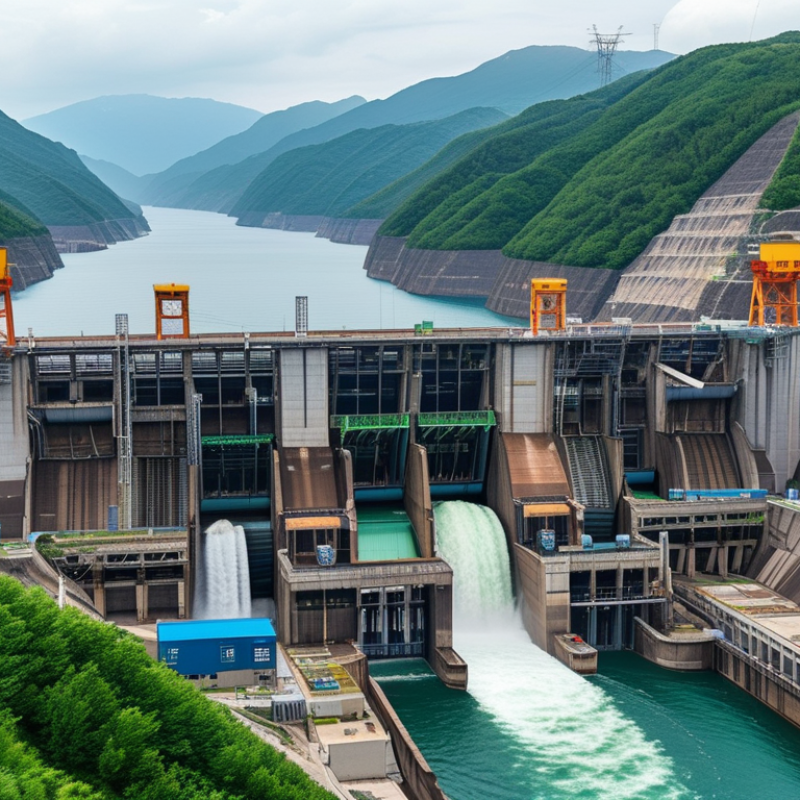
Top Hydropower Maintenance Platforms in 2026: Overview and Industry Trends
As we look towards 2026, the hydropower industry is evolving rapidly. Maintenance platforms in this sector are now equipped with advanced technology. Automation and artificial intelligence play crucial roles in enhancing operational efficiency. These platforms analyze data in real-time, predicting maintenance needs before issues arise. This proactive approach saves time and reduces costs significantly.
Industry trends indicate a shift towards sustainability. Hydropower maintenance platforms are focusing on minimizing environmental impact. Integrating renewable energy sources into maintenance processes is becoming essential. However, many operators still struggle with outdated systems that hinder progress. Transitioning to new technologies can be challenging, but it's necessary for long-term success.
Furthermore, training personnel in new technologies is vital. A gap in skills can lead to inefficiencies. Regular workshops and training programs are essential for closing this gap. Investing in human capital ensures that teams can fully utilize advanced maintenance software. As the industry moves forward, professionals must adapt to meet these new demands and challenges.
Key Features to Consider When Choosing Hydropower Maintenance Platforms
When selecting a hydropower maintenance platform, several key features should be prioritized. First, reliability is crucial. Data indicates that approximately 30% of maintenance costs in hydropower plants stem from unexpected failures. An effective platform should provide predictive maintenance capabilities to minimize downtime and optimize operations.
User-friendly interfaces enhance operational efficiency. A clear dashboard allows operators to monitor systems at a glance. According to industry reports, platforms with intuitive designs reduce operator error by 40%. This underscores the importance of training and ease of use in choosing a maintenance solution.
Data analytics integration is another essential feature. Advanced analytics can identify trends and issues in real time. Reports reveal that platforms leveraging data analytics improve maintenance scheduling accuracy by 25%. However, organizations must ensure they have the skills to interpret this data. Relying solely on technology without proper human oversight can lead to missed opportunities.
In conclusion, careful consideration of these features will lead to a more effective maintenance strategy.
Comparative Analysis of Leading Hydropower Maintenance Platforms in 2026
As hydropower becomes more essential in our energy landscape, the need for robust maintenance platforms grows. In 2026, several leading platforms show promising features. These platforms range from data analytics to real-time monitoring tools. Their effectiveness is critical for optimizing operations and minimizing downtime.
Many platforms emphasize user experience. Intuitive dashboards and straightforward navigation enhance usability. However, some users report learning curves that hinder initial engagement. Assessment of maintenance schedules and compliance documentation is often available. Yet, inconsistency may arise in real-time performance tracking. This discrepancy can challenge maintenance efficiencies.
Integrating advanced predictive maintenance features remains a common focus. Data-driven insights guide decision-making, but accuracy can vary across platforms. Users should carefully review case studies showcasing real-world applications. This allows for a deeper understanding of each platform's reliability. As the landscape evolves, continuous development and user feedback are essential to adapt to future challenges in hydropower maintenance.
Impact of Regulatory Standards on Hydropower Maintenance Solutions
Regulatory standards play a crucial role in shaping hydropower maintenance solutions. In 2026, these regulations will likely increase in complexity, impacting how maintenance platforms are designed and operated. Compliance is not just about avoiding penalties; it's about ensuring safety and efficiency. Hydropower facilities must adapt to new environmental concerns, emphasizing sustainability. This often means adopting advanced monitoring systems that integrate real-time data analytics to predict maintenance needs.
It's essential to stay updated on evolving regulations. Investing time in training staff about compliance can reduce errors. Regular audits ensure all procedures meet current standards. Hydropower operators should establish clear lines of communication with regulatory bodies. This can clarify expectations and help avoid surprises during inspections.
Choosing the right maintenance platform requires careful consideration. Look for solutions that offer flexibility and scalability. They should be adaptable to future regulatory changes. Many platforms now include features that allow for remote monitoring and predictive maintenance. This minimizes downtime and reduces operational risks. However, it's vital to assess the learning curve associated with these tools. Ensure your team is comfortable and capable of using them effectively.
Future Innovations in Hydropower Maintenance Platforms: What to Expect?
In 2026, the landscape of hydropower maintenance platforms is poised for significant innovation. One emerging trend is the integration of advanced data analytics. These platforms will utilize real-time data to predict maintenance needs. By analyzing performance metrics, they can reduce downtime and enhance operational efficiency.
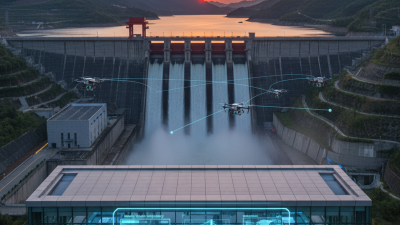
Moreover, the future may also bring innovations in remote monitoring technologies. Drones and automated systems could revolutionize inspections. These tools offer high-resolution imagery and can access hard-to-reach areas. Though promising, there are concerns about reliability and the accuracy of such technologies.
Collaboration between tech companies and hydropower operators will be crucial. Partnerships can foster the development of tailored solutions. However, existing gaps in skill sets may slow progress. Training programs will need to bridge this divide. As these innovations unfold, industry stakeholders must remain adaptive and vigilant.
Top Hydropower Maintenance Platforms in 2026





 Ms.Lily International Sales Director
 Join 3S Group