Why is Aerial Work Fall Protection Essential for Safety?
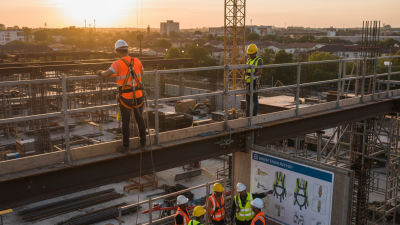
Aerial work can be risky without proper precautions. Fall protection systems are crucial in ensuring worker safety at heights. According to safety expert Mark Johnson, “Aerial Work Fall Protection is not just a guideline; it’s a lifesaving requirement.”
Every year, numerous incidents occur due to falls from elevated platforms. These accidents can lead to severe injuries or fatalities. Companies often overlook the importance of adequate fall protection. Yet, investing in these systems is not just about compliance; it’s about protecting lives.
Aerial Work Fall Protection must be prioritized in every industry. Inadequate safety measures can result in catastrophic consequences. Workers deserve to feel secure while performing their jobs. The responsibility lies with employers to provide the necessary equipment and training to prevent falls.
Understanding Aerial Work: Definition and Importance
Aerial work refers to any job performed at height. This includes tasks like maintenance, installation, or construction that require working from ladders, scaffolds, or aerial lifts. Many people underestimate the risks associated with height. However, the statistics tell a different story. Falls from elevation are a leading cause of serious workplace injuries and fatalities.
Understanding aerial work is crucial for ensuring safety. Workers must recognize that even a small mistake can lead to significant harm. Proper training and a thorough understanding of equipment usage are vital. It’s not just about having the right tools; it’s also about knowing how to use them safely. Employers must prioritize safety protocols and ensure their teams are prepared for the unique challenges of working at heights.
While the importance of safety might seem clear, many still overlook critical precautions. This negligence can stem from a lack of awareness or experience. Reflecting on past incidents can provide valuable lessons for improvement. By fostering a culture of safety, organizations can reduce risks and protect their workers effectively.
The Risks Associated with Aerial Work and Fall Hazards
Aerial work often involves significant risks. Workers face dangers from heights, including falls that can lead to severe injuries or fatalities. Inadequate safety measures can elevate these risks. For example, without proper fall protection systems, a simple slip can result in life-altering consequences.
Understanding the unique hazards of aerial work helps mitigate risks. The nature of tasks, such as maintenance or construction, frequently involves unstable platforms or unexpected movements. Workers may underestimate the importance of securing themselves, believing minor safety measures are sufficient. This oversight can be disastrous, stressing the need for effective safety protocols.
Aerial work requires constant vigilance. Developing a culture where safety is prioritized can reduce accidents. Training should include real-world scenarios to highlight the potential dangers. Continuous reflection on safety practices helps ensure that all workers remain aware and protected. They must evaluate their environments critically and acknowledge their limits. Embracing a proactive approach is essential for ensuring worker safety.
Key Components of Aerial Work Fall Protection Systems
Aerial work environments pose significant risks. According to the Occupational Safety and Health Administration (OSHA), falls are the leading cause of fatalities in construction. Therefore, effective fall protection systems are essential. Understanding the key components of these systems can enhance safety measures.
Guardrails are crucial. They create a barrier that prevents workers from slipping off edges. A study from the National Safety Council indicates that guardrails reduce fall incidents by 50%. Harness systems are equally vital. They keep workers attached to a secure anchor point. This connection minimizes the potential for a fatal fall. Personal fall arrest systems play a key role in ensuring individual safety.
Training is often overlooked yet critical. Effective training programs ensure that workers understand how to use fall protection systems correctly. Poorly trained workers may not use equipment properly, increasing risk. Regular inspections of equipment are necessary too. Well-maintained systems are less likely to fail during use. Despite these measures, some workers may still not comply fully. This highlights the importance of fostering a safety culture within organizations.
Regulatory Standards Governing Fall Protection in Aerial Work
Aerial work presents unique challenges in terms of safety, particularly regarding fall protection. Regulatory standards play a critical role in safeguarding workers. In the United States, the Occupational Safety and Health Administration (OSHA) sets strict guidelines for fall protection. These regulations require suitable equipment and training for all workers involved in aerial tasks. Compliance helps reduce accidents and fatalities.
Proper use of personal protective equipment (PPE) is essential. Harnesses, lanyards, and guardrails must adhere to safety standards. Workers need training to ensure they understand these requirements. Many workers may overlook equipment checks, leading to potential hazards. Regular inspections are crucial, yet some teams may prioritize speed over safety.
Despite regulations, lapses can occur. Companies may struggle to create a culture of safety. Some might assume that incidents won't happen to them. Yet, falls can and do occur when complacency sets in. It’s important to reassess and improve training programs. Focus on communication and incident reporting can enhance overall safety. Workers deserve an environment where their well-being is prioritized.
Best Practices for Implementing Fall Protection in Aerial Operations
Aerial work often involves significant risks, primarily falls. According to the Bureau of Labor Statistics, falls accounted for nearly 42% of construction-related fatalities in recent years. Implementing robust fall protection systems is essential for preventing such tragedies.
Effective fall protection begins with a comprehensive assessment of job sites. Workers must identify potential hazards before engaging in operations. It is vital to ensure that all equipment, like harnesses and guardrails, meets the necessary safety standards. Regular training sessions are critical for ensuring that team members understand proper use and limitations of fall protection systems.
In addition to equipment, fostering a safety-first culture is crucial. Workers should feel empowered to report unsafe conditions without fear of repercussions. Regular safety drills can enhance preparedness and promote teamwork. Interestingly, recent research suggests that businesses with strong safety cultures see up to 50% fewer incidents. Regularly reviewing safety protocols ensures that lessons from past incidents lead to continuous improvement in safety practices.
Fall Protection Data in Aerial Work Operations




 Ms.Lily International Sales Director
 Join 3S Group