2026 How to Choose the Best Grain Silo Lift for Your Needs?
In the agricultural sector, choosing the right Grain Silo Lift is crucial for efficiency and safety. According to a recent report by Agriculture Equipment Insights, over 40% of grain handling accidents involve improper lifting equipment. This statistic highlights the necessity for farmers and operators to select precise lifting solutions tailored to their specific needs.
Expert Mark Thompson, a leading voice in grain handling technology, emphasizes, "A reliable Grain Silo Lift can significantly reduce labor costs and improve operational workflow." His insights speak to the importance of industry expertise when making equipment decisions. Factors such as lift capacity, height, and stability should weigh heavily on the choice of equipment.
However, the selection process is not always straightforward. Many operators struggle with balancing affordability and quality. The market offers various models, and understanding their specifications can be daunting. Potential buyers must reflect on their unique operational requirements before committing to a purchase.
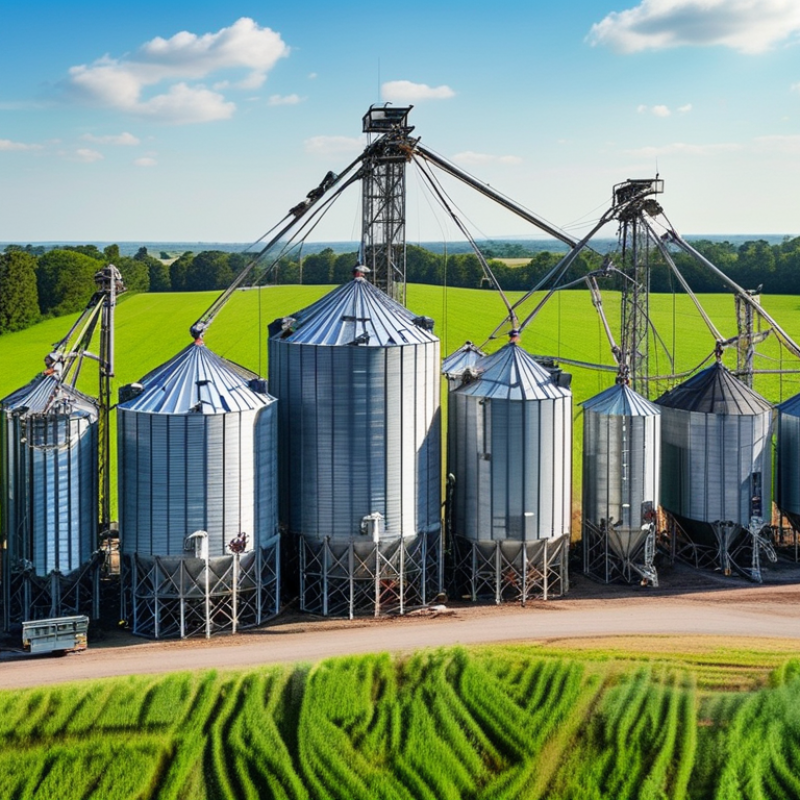
Understanding the Purpose of Grain Silo Lifts
Grain silo lifts serve a crucial purpose in agricultural operations. They simplify the process of loading and unloading grain, enhancing efficiency and safety. These lifts reduce physical strain on workers and minimize the risk of spoilage by ensuring grains are stored and accessed correctly. Understanding their purposes helps in choosing the right equipment for your needs.
When considering a grain silo lift, it’s essential to evaluate several factors. You should assess the lift's capacity and height. Not all lifts are suitable for every silo type. Pay attention to your grain type, as specific lifts are designed for various grain sizes and weights. Efficiency is key, but so is the quality of construction. Look for durable materials that withstand harsh agricultural conditions.
Tips: Opt for lifts with safety features, such as emergency stops and stable platforms. These can prevent accidents and promote a safer work environment. Regular maintenance checks ensure the longevity of your equipment. Always read user feedback to understand the potential drawbacks of any lift. Not every option will fit seamlessly into your operation, so be prepared to adapt.
Key Features to Consider in Grain Silo Lifts
When selecting a grain silo lift, several key features should be prioritized to ensure efficiency and safety. First, consider the lift's capacity. It should match the volume of grain you commonly handle. Overloading can lead to equipment failure and potential accidents. Additionally, choose a lift with durable materials. Strong construction withstands harsh environmental conditions.
Safety features are crucial. Look for automatic shut-off mechanisms and emergency brakes. These can prevent catastrophic failures during operation. Ensure the lift has proper certifications and adheres to industry standards. This guarantees that it meets safety regulations.
Tips: Regular maintenance checks are vital. Make sure to inspect cables, belts, and mechanical parts frequently. Also, train your team on proper operating procedures. This can significantly reduce the risk of accidents. A lift's ease of use impacts productivity. Choose a model that simplifies loading and unloading tasks. Consider ergonomics to minimize strain on operators.
2026 Grain Silo Lift Key Features Comparison
Assessing Your Grain Storage Needs
When assessing your grain storage needs, consider factors such as volume, type of grain, and climate conditions. Determine the capacity you require based on your average harvest yield. A silo that is too small can lead to overflows, while an oversized one may waste resources and space.
Next, evaluate the specific requirements of the grains you plan to store. Different grains have varying ideal storage conditions. For example, corn often requires ventilation, while wheat is more forgiving. Ensure that the silo you choose can accommodate these needs effectively.
Additionally, think about the logistics. Where will the silo be located? Is there enough space for maintenance and operation? Check local regulations and safety standards to avoid potential issues. Reflecting on these aspects can help prevent costly mistakes. A well-chosen grain silo lift aligns with your needs and helps optimize storage and management.
Comparing Different Types of Grain Silo Lifts
When comparing different types of grain silo lifts, it's essential to understand your specific needs. Grain silo lifts typically fall into three categories: vertical lifts, articulating lifts, and scissor lifts. Each type has its unique features and benefits tailored for various operations. According to a recent industry report, vertical lifts offer the highest elevation with minimal footprint, making them ideal for tight spaces. They can reach heights up to 80 feet, which is crucial in storing grain efficiently.
Articulating lifts, on the other hand, provide flexibility. They can maneuver around obstacles, which is beneficial in older grain facilities. A survey revealed that 65% of farmers opt for articulating models due to their versatility. However, they may have limited height capabilities. Scissor lifts are known for stability and are often used for maintenance purposes. They are less expensive but lack the elevation features required for more extensive silo jobs.
Choosing the right lift involves weighing these factors. Consider load capacity, reach height, and maneuverability. Each operation may have varying requirements based on grain volume and facility design. It’s crucial to analyze your needs thoroughly. Engaging with industry experts or conducting site assessments can bring clarity. Having the right equipment increases operational efficiency but requires careful consideration.
Maintenance and Safety Tips for Grain Silo Lifts
When operating grain silo lifts, maintenance and safety are paramount. Regular inspections can prevent costly downtime and accidents. The National Safety Council reported that falls account for over 30% of workplace injuries. This statistic highlights the need for strict adherence to safety protocols.
One key tip for ensuring safety is to conduct routine checks on all lift components. Look for signs of wear and tear, particularly on cables and pulleys. Neglecting these areas can lead to failure during operation. Additionally, training workers on proper lifting techniques reduces the risk of injury significantly. Research by the Bureau of Labor Statistics shows that comprehensive training programs can cut accident rates by over 25%.
Regular cleaning is also essential. Grain dust can accumulate quickly and become a serious hazard. Ensure that surfaces are free from spills and debris to avoid slips. Don’t forget about emergency preparedness. Establish clear evacuation routes and conduct drills. These small steps can make a big difference in protecting your team and equipment. Overall, prioritizing these safety practices ensures that your grain silo lift operates efficiently and securely.







 Ms.Lily International Sales Director
 Join 3S Group