2026 Top Electric Wire Rope Hoist Innovations and Trends?
As industries evolve, the demand for efficient lifting solutions increases. The Electric Wire Rope Hoist stands out as a leading option. Innovations in this field are reshaping how we approach heavy lifting tasks.
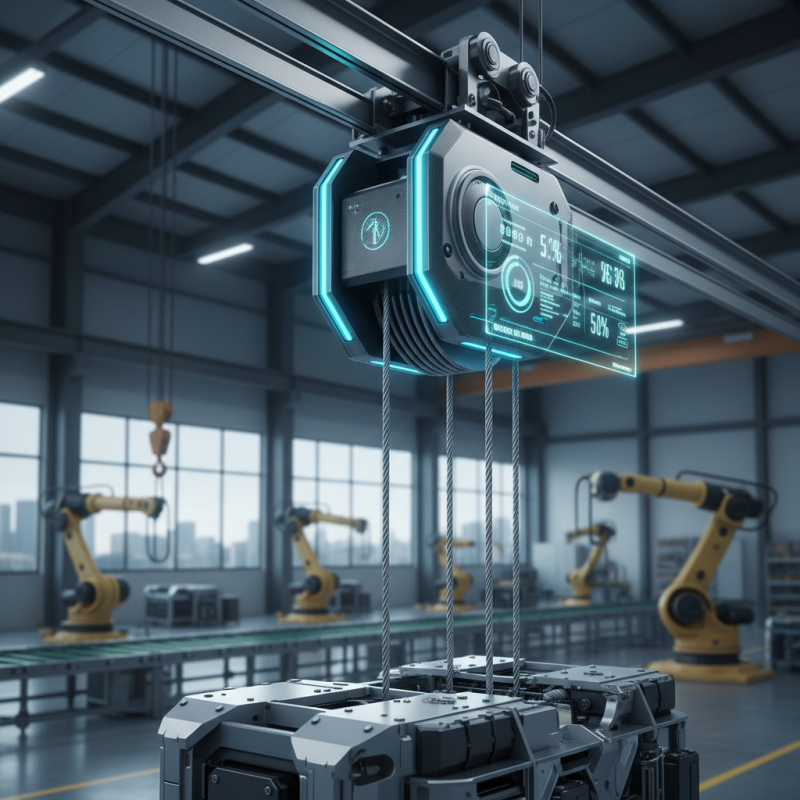
In 2026, we observe significant trends driving the market. Key advancements focus on improving safety, efficiency, and sustainability. These hoists now integrate smart technology for better monitoring and control. For instance, sensors within the hoist enhance load management. Yet, companies must balance performance with reliability.
Challenges persist in ensuring all systems are user-friendly and adaptable. The rapid pace of innovation can lead to questions about long-term durability. Industry professionals need to refine designs continuously. Overall, the Electric Wire Rope Hoist remains an essential tool in various sectors, reflecting our growing commitment to advanced lifting solutions.
Emerging Technologies in Electric Wire Rope Hoists for 2026
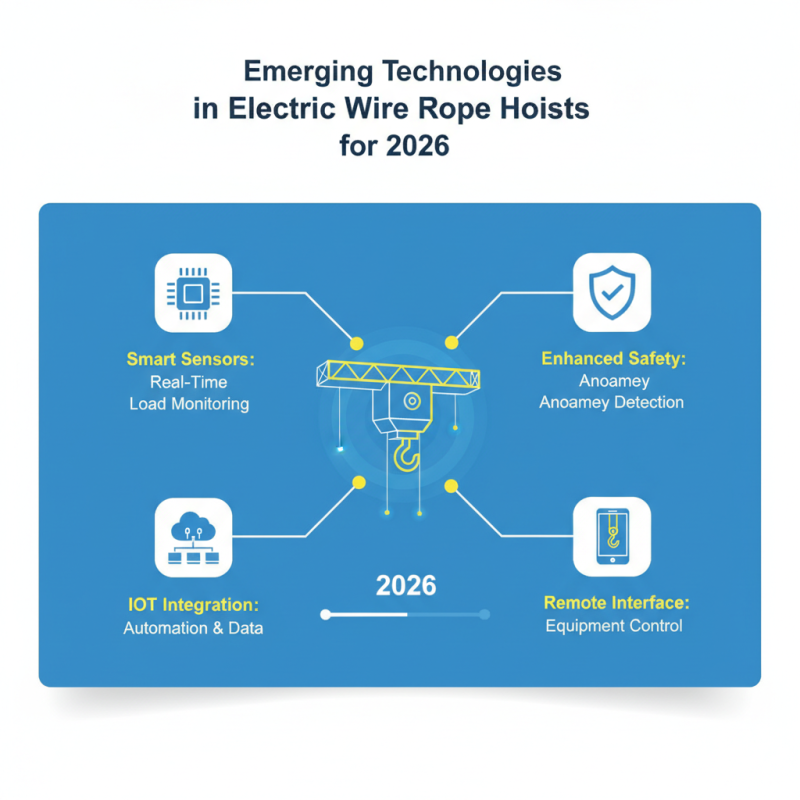
In 2026, electric wire rope hoists are set to embrace transformative technologies. Smart sensors will enhance operational efficiency, allowing real-time monitoring of loads. These advancements promise to improve safety by detecting anomalies before they lead to accidents. As industries strive for automation, hoists will increasingly integrate with IoT platforms. Users can expect to interface with their equipment remotely.
Sustainability is another focal point. New hoists will incorporate eco-friendly materials and energy-efficient mechanisms. Users will appreciate that these innovations reduce environmental impact. However, some challenges remain. Adopting new technologies may require significant training and a shift in operational practices. It's crucial for companies to evaluate their readiness for such changes.
Moreover, user feedback will play a vital role in shaping future designs. Manufacturers must actively listen to users about their experiences. This dialogue can lead to insights on improving functionality and addressing common pain points. The evolution of electric wire rope hoists is exciting but not without its hurdles. Striking a balance between innovation and practicality is essential for progress.
Key Innovations Enhancing Efficiency in Electric Wire Rope Hoists
The electric wire rope hoist industry is on the brink of significant innovations for 2026. These advancements enhance efficiency and streamline operations. Recent data from the International Organization of Standardization predicts that the demand for electric wire rope hoists will grow by 5% annually. This growth correlates with the integration of advanced technologies like IoT and AI.
IoT-enabled hoists allow real-time monitoring of performance. They help identify potential issues before they become costly repairs. Additionally, AI algorithms optimize load management, ensuring maximum safety and efficiency. Users can monitor operations remotely, reducing downtime and boosting productivity. A report from Smith Research indicates that such integrations can improve operational efficiency by over 30%.
However, challenges remain. Implementation costs for cutting-edge technology may deter smaller companies. There’s also a learning curve for operators unfamiliar with these systems. Industry experts suggest a balance between innovation and practicality. Training programs must accompany technological upgrades, ensuring users leverage new tools effectively. As the market evolves, organizations must adapt to these trends to stay competitive.
Sustainability Trends Impacting Electric Wire Rope Hoist Design
Sustainability trends are reshaping the design of electric wire rope hoists. Companies are increasingly prioritizing eco-friendly materials and production processes. The push for greener solutions reflects a growing awareness of environmental impacts. This shift encourages the use of recyclable metals and plastics in hoist manufacturing.
Energy efficiency is another critical aspect. Modern hoists are designed to consume less power while maintaining high performance. Innovative braking systems help reduce energy consumption. Additionally, some hoists incorporate regenerative systems. These systems harness energy during operation, converting it back into usable power.
There are challenges in implementing these sustainable practices. Transitioning to new materials can increase initial costs. The industry must balance cost and sustainability effectively. Not all companies are ready to invest in greener technologies. This reluctance may slow down the industry's overall progress. Despite these hurdles, the trend toward sustainability in electric wire rope hoist design is undeniable and growing.
2026 Electric Wire Rope Hoist Innovations and Trends
This bar chart illustrates the impact scores of various innovations in the electric wire rope hoist industry for 2026. Notable trends include a strong emphasis on energy efficiency and smart technology that enhance operational effectiveness.
Integration of Smart Technology in Electric Wire Rope Hoists
The integration of smart technology in electric wire rope hoists marks a significant innovation in material handling. These advancements enhance operational efficiency and safety. Sensors now monitor load weights, helping prevent overloading, which is crucial for avoiding accidents. This real-time data allows for precision in lifting operations, minimizing manual guesswork.
Automation is another key trend. Remote controls enable operators to manage lifts from a distance. This reduces physical strain and increases job site safety. Maintenance can also be improved through predictive analytics. By analyzing usage data, potential issues can be identified before they lead to failures. This proactive approach may not always be 100% reliable, necessitating routine checks.
However, integrating technology is not without challenges. Some operators may struggle with adapting to new systems. Training becomes essential to fully utilize smart features. It’s important to recognize that technology cannot replace human judgment. Balancing automation with expert oversight is vital for safety and efficiency in operations.
Future Market Trends for Electric Wire Rope Hoists in Various Industries
The future market for electric wire rope hoists is evolving rapidly. Various industries are adopting these advanced lifting solutions due to their efficiency and reliability. In construction, for instance, the demand for lighter and more powerful hoists is growing. Operators need equipment that can lift heavier loads while reducing strain on personnel. Innovations such as smart sensors and remote control features are gaining traction.
Manufacturers are focusing on energy efficiency as sustainability becomes crucial. Electric wire rope hoists that consume less power attract environmentally conscious businesses. Industries such as manufacturing and logistics are integrating these hoists into automated systems. This trend enables optimized workflows and reduced operational costs. While the advancements are encouraging, some gaps still exist in user training and system integration.
As electric wire rope hoists become more sophisticated, there's a learning curve for operators. Adopting new technologies requires retraining staff, which can be a challenge. Moreover, safety remains a concern. Ensuring compliance with industry standards is essential. Continuous improvement in design and functionality is necessary. The path is not without obstacles, but the potential for increased productivity and safety is immense.
2026 Top Electric Wire Rope Hoist Innovations and Trends
| Innovation/Trend |
Description |
Affected Industries |
Projected Growth (%) |
| Smart Hoist Technology |
Integration of IoT for real-time monitoring and predictive maintenance. |
Manufacturing, Construction |
15% |
| Lightweight Materials |
Use of advanced materials to reduce weight while maintaining strength. |
Transportation, Aerospace |
10% |
| Energy Efficiency |
Enhanced energy-saving features to reduce operational costs. |
Mining, Logistics |
20% |
| Automated Systems |
Increased automation in hoist operations for precision and safety. |
Construction, Warehousing |
12% |
| Remote Control Features |
Enhanced operator control via wireless connectivity. |
Oil & Gas, Heavy Equipment |
18% |



 Ms.Lily International Sales Director
 Join 3S Group