How to Choose the Right Scaffolding Hoist for Your Project?
Choosing the right scaffolding hoist can significantly impact the efficiency and safety of your project. Expertise in this area is crucial. Mark Turner, a scaffolding expert with over 15 years of experience, once stated, “Selecting the proper scaffolding hoist is essential for ensuring a successful and safe construction phase.” His advice underscores the importance of understanding the specific needs of your project.
When considering a scaffolding hoist, it's vital to assess factors like lift capacity, height, and safety features. A hoist that cannot handle the required weight may lead to severe accidents. Likewise, the right height ensures that materials reach necessary work zones without unnecessary delays. Always evaluate the specific features and manufacturer guidelines to ensure reliability.
Mistakes can happen if you don’t conduct thorough research. Many overlook the hoist's compatibility with existing scaffolding systems. This oversight can result in costly delays and safety risks. Reflection on your choices enhances long-term project success. A careful selection process lays the foundation for a safer work environment and greater efficiency.
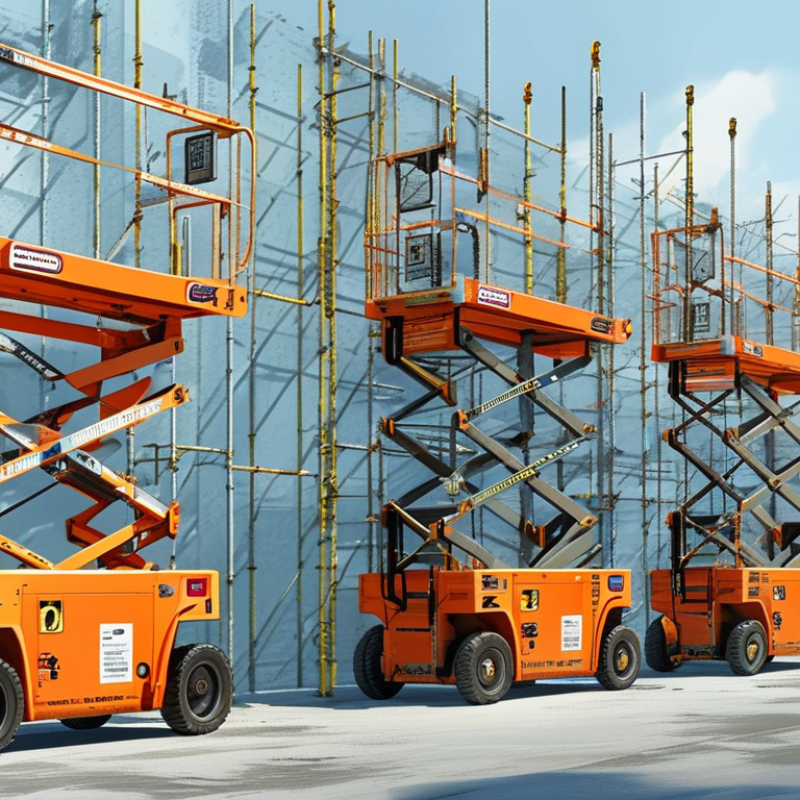
Understanding the Types of Scaffolding Hoists Available
When selecting a scaffolding hoist for your project, understanding the available types is crucial. There are primarily two types of hoists: electric and manual.
Electric hoists are favored for large-scale projects requiring efficient and rapid lifting. According to industry reports, electric hoists can lift loads up to 1,000 kg at speeds of 10 to 20 meters per minute. This acceleration can significantly reduce the overall construction timeline.
Manual hoists, on the other hand, are often utilized in smaller, simpler projects. They typically have lower load capacities, often not exceeding 300 kg, but offer a cost-effective solution. The ease of setup and versatility makes them appealing for quick jobs.
However, the labor-intensive nature can lead to fatigue and increased safety risks. Misjudgments in weight distribution may compromise stability, highlighting the need for rigorous training and experience among users.
Most importantly, safety standards play a vital role in choosing the right hoist. The Occupational Safety and Health Administration (OSHA) emphasizes the importance of evaluating the load weight and ensuring proper maintenance. Neglecting these aspects can lead to accidents, resulting in severe penalties and loss of life. Hence, thoroughly assessing the project requirements and familiarizing yourself with various types of hoists can lead to better choices and safer work environments.
Evaluating Load Capacity and Safety Standards
When selecting a scaffolding hoist, evaluating load capacity and safety standards is crucial. Industry reports suggest that nearly 50% of construction site accidents involve lifting equipment. Choosing a hoist that meets regulatory safety standards is essential to mitigate risks. It’s vital to verify that the hoist aligns with OSHA regulations and local guidelines, which often dictate minimum safety requirements.
Understanding load capacity is equally important. Load capacity varies significantly among scaffolding hoists. A reputable study indicates that hoists with inadequate load ratings contribute to structural failures. Evaluating the intended load—considering both weight and volume—ensures optimal performance. Overloading is a common issue, as nearly 30% of users admit to underestimating the hoist's limits, leading to potential hazards on-site.
Regular maintenance checks should not be overlooked. Neglecting routine inspections can compromise the safety of your operation. Utilizing data from safety audits, experts recommend checking hoists every three months. Frequent evaluations play a significant role in preventing accidents. The right scaffolding hoist can enhance productivity, but it demands careful consideration of both load capacity and safety compliance.
Load Capacity and Safety Standards of Scaffolding Hoists
Assessing Height and Reach Requirements for Your Project
When selecting a scaffolding hoist, assessing height and reach requirements is crucial. Projects often vary in their vertical demands. According to industry reports, nearly 70% of scaffolding accidents occur due to inadequate height considerations. This statistic emphasizes the need for precision in determining how high the hoist must go.
It's essential to calculate both the maximum height and reach needed for your project. For example, an 80-foot total height may require a hoist with a lift capacity beyond basic models. If your structure has multiple levels, a hoist with a 120-foot reach might be necessary. These figures should not be taken lightly; incorrect estimates could lead to safety hazards and project delays.
Additionally, factors like weight capacity and load distribution matter significantly. Research indicates that hoists with lower weight limits are often underused on larger sites, leading to inefficiencies. Investigating the specific demands of your project helps ensure that the chosen hoist can meet requirements without strain. Be mindful that over-relying on generic standards can lead you astray. It's vital to adapt the solution to your unique conditions.
Considering Power Source Options for Scaffolding Hoists
Choosing the right power source for scaffolding hoists is crucial. Electric, hydraulic, and pneumatic systems each have their pros and cons. According to a recent report by the Construction Industry Institute, around 65% of construction projects prefer electric hoists due to their efficiency and lower operational costs. Electric hoists are quieter and produce zero emissions, making them ideal for urban or enclosed spaces.
Hydraulic hoists provide incredible lifting capacity. They are often necessary for heavy lift applications. However, they can require more maintenance and are less portable. According to industry studies, about 30% of construction sites utilize hydraulic systems for their strength in heavy lifting scenarios. Pneumatic hoists, while less common, offer lightweight solutions for smaller jobs. They can be quickly deployed, especially in remote areas without electric access.
When selecting a hoist, consider site-specific factors like space, load requirements, and available power sources. It is essential to assess the project’s unique needs carefully. Evaluate whether the increased capabilities justify the higher costs of hydraulic systems. Regularly review maintenance routines to ensure safety and efficiency. Exploring various power options will support smoother operations.
Exploring Budget Constraints and Rental Options for Hoists
When selecting a scaffolding hoist for your project, budget constraints can significantly influence your decision. Hoists vary greatly in price, depending on their capacity, power source, and features. It is essential to assess your project's specific needs. Consider the weight of the materials and the height of the building. A budget-friendly hoist might suffice for smaller projects, but larger jobs may require a more robust option.
Exploring rental options can alleviate some financial pressure. Renting hoists is an excellent choice for short-term projects. This approach saves money on maintenance and storage costs. Many rental companies offer flexible terms that allow adjustments based on your schedule. However, always check the rental agreement for hidden fees and wear-and-tear policies.
Recognizing the value of rented equipment can sometimes lead to unexpected challenges. Ensuring that the rental hoist meets safety standards is crucial and can help avoid accidents on-site. Each project demands a distinct approach to budget and equipment selection. Be mindful and evaluate the potential trade-offs in your choices.





 Ms.Lily International Sales Director
 Join 3S Group