Why Choose Construction Hoists for Your Next Project?
When embarking on a construction project, efficiency and safety are paramount. The use of Construction Hoists has become increasingly prevalent in the industry, driven by reports indicating a 15% increase in productivity when hoists are employed. These systems enhance the vertical transportation of materials and personnel, significantly reducing downtime.
Furthermore, safety data underscores the importance of Construction Hoists. According to a 2022 study, sites utilizing hoists experience 30% fewer accidents related to lifting operations. This statistic highlights the necessity of reliable equipment in safeguarding workers. Yet, not all hoists are created equal. Some equipment may not meet the latest safety standards, prompting the need for careful selection and evaluation.
Investing in the right Construction Hoist can lead to a substantial return on investment. A 2021 market analysis projected a 10% reduction in labor costs for projects using advanced hoisting solutions. As the industry continues to evolve, prioritizing effective tools is vital for project success. While the benefits are clear, ensuring equipment quality and safety must not be overlooked.

Advantages of Construction Hoists in Modern Building Projects
Construction hoists have become essential in modern building projects. They provide efficient vertical transportation of materials and workers. This efficiency can significantly reduce project timelines. These hoists are particularly beneficial for projects with tight schedules. They enable quick loading and unloading of heavy materials, which enhances overall productivity.
Safety is another crucial advantage. Construction hoists are designed with safety features like guardrails and emergency stops. These elements protect workers from falls and accidents. Investing in hoists can drastically lower injury rates on-site. Remember, a safe site is a productive site.
When selecting a construction hoist, consider your project's specific needs. Analyze factors such as load capacity and height requirements. Ensure the selected hoist meets these demands. Regular maintenance is vital for operational efficiency. Conduct routine checks to prevent unexpected breakdowns. It’s essential to reflect on past projects to identify which strategies worked well and what to improve. Efficient planning and reflection can lead to better outcomes in future projects.
Advantages of Construction Hoists in Modern Building Projects
Key Features and Specifications of Construction Hoists
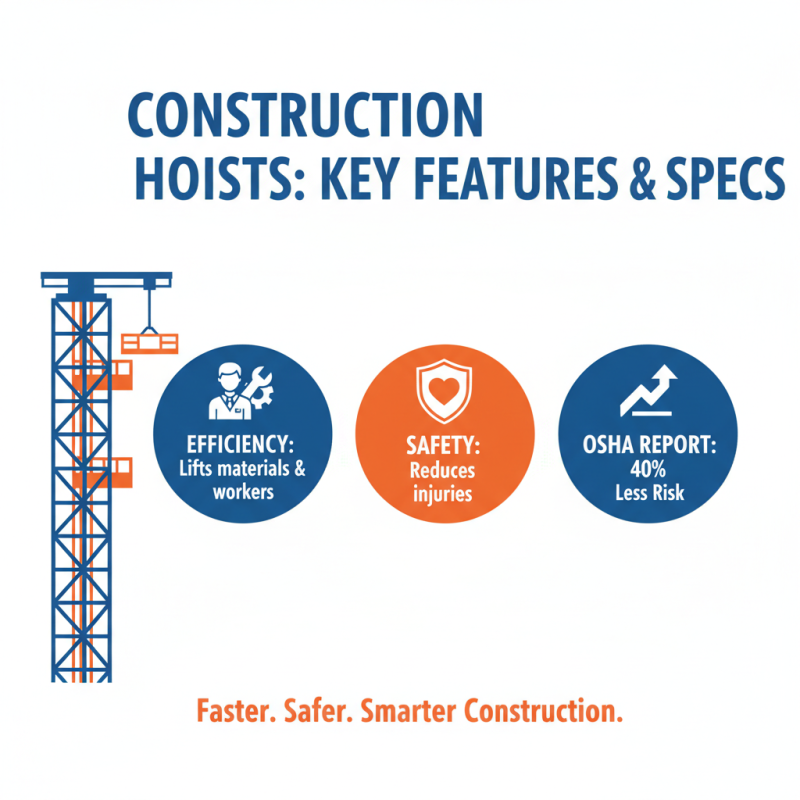
Construction hoists are vital for efficiency and safety on job sites. These systems lift materials and workers to higher elevations with ease. According to a report by the Occupational Safety and Health Administration (OSHA), the use of hoists reduces the risk of manual lifting injuries by 40%. This is a significant factor for project managers focused on worker safety.
Key features of construction hoists include their load capacity and speed. Most hoists can lift loads between 2,200 to 4,000 pounds. The average lifting speed ranges from 30 to 60 feet per minute. These specifications are crucial for large-scale projects that require quick material transport. Reliability is another key aspect. Equipment failure can lead to delays and increased costs. Regular maintenance checks strengthen the reliability of these systems.
However, selecting the right hoist requires careful consideration of site conditions, including height restrictions and space constraints. Reports indicate a common oversight: not assessing ground stability. A sturdy base is essential for safe operation. Additionally, some projects overlook the importance of certified operators. Training is critical for safety and efficiency. Without proper training, even the best equipment can become a liability.
Industry Statistics on Efficiency and Safety Improvements with Hoists
Construction hoists are becoming increasingly popular in construction projects worldwide. Recent statistics show a significant improvement in operational efficiency and safety when using hoists. According to a 2022 report from the Construction Industry Institute, projects that employed hoists saw a 30% reduction in transportation time. This efficiency can accelerate project timelines, ultimately enhancing profitability.
Safety is another critical area where hoists excel. The Occupational Safety and Health Administration indicates that using hoists can lower the risk of accidents related to manual lifting by approximately 50%. Furthermore, a study published by the American Society of Civil Engineers highlights that construction sites using hoists report fewer injury claims. These findings emphasize the dual benefits of improving both workforce efficiency and safety.
It's important to consider the initial cost of hoists. While they can be more expensive upfront, the long-term benefits often outweigh this. Delays and accidents can lead to substantial losses, overshadowing the investment in hoist technology. Stakeholders must weigh immediate costs against potential savings in time and safety. A strategic approach could lead to smarter investment and better project outcomes.
Why Choose Construction Hoists for Your Next Project? - Industry Statistics on Efficiency and Safety Improvements with Hoists
| Aspect |
Percentage Improvement |
Example Project Type |
Safety Incidents Reduction |
| Efficiency |
30% |
High-rise Building |
25% reduction |
| Time Savings |
40% |
Commercial Projects |
30% reduction |
| Worker Productivity |
20% |
Residential Buildings |
15% reduction |
| Cost Effectiveness |
25% |
Infrastructure Developments |
20% reduction |
| Overall Safety |
35% |
Industrial Sites |
40% reduction |
Cost-Effectiveness: Hoist Investment vs. Traditional Lifting Methods
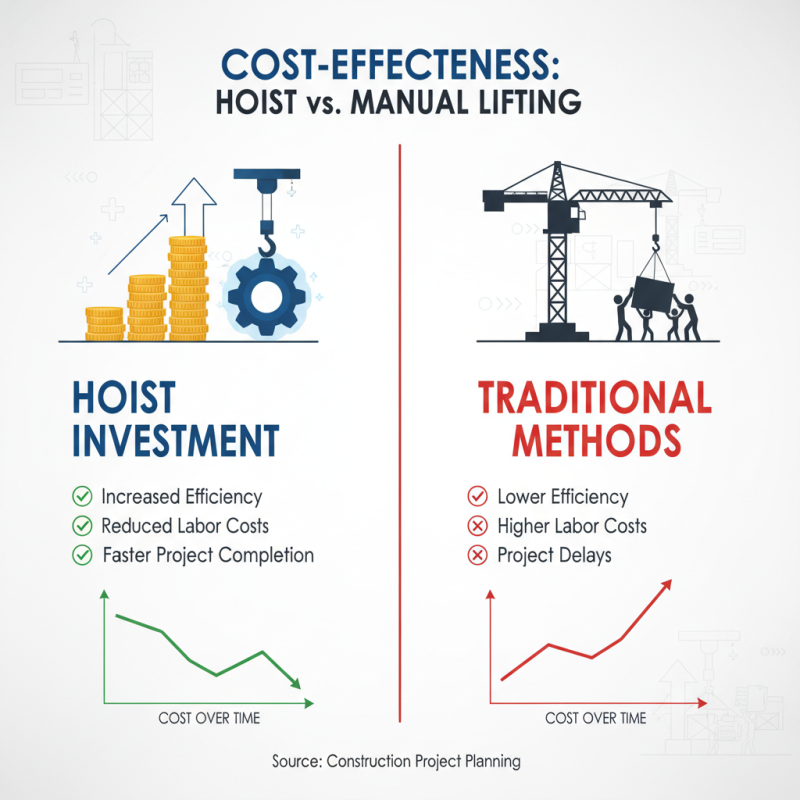
When planning a construction project, the choice of lifting methods significantly impacts costs. Traditional methods, such as cranes and manual labor, often lead to higher long-term expenses. While these methods have been reliable, they lack efficiency. Labor costs can escalate when workers take longer to lift heavy materials. This inefficiency can result in project delays and increased expenditures.
In contrast, construction hoists offer a cost-effective solution. They streamline the lifting process, saving both time and money. With a hoist, materials reach their destination faster. This speed can reduce labor hours, leading to lower operational costs. However, the initial investment in hoists may seem substantial. It's essential to evaluate long-term savings against upfront costs.
Not every project suits hoist usage perfectly. Some sites have limited space, complicating installation. This can challenge project managers to adapt their strategies. Balancing investment and efficiency is crucial. Making informed decisions can lead to improved project outcomes.
Case Studies: Successful Project Outcomes Using Construction Hoists
Construction hoists have been pivotal in elevating project efficiency across various sectors. In a recent high-rise building project, the use of construction hoists dramatically reduced labor costs and time. Workers could transport materials swiftly to upper floors, minimizing delays. This efficiency translated into a 20% faster project completion. However, this was not without challenges. Some operators initially struggled with proper loading techniques, leading to minor setbacks.
Another case study involved a large-scale industrial facility. Here, the construction hoist facilitated the quick transport of heavy equipment. The project faced tight deadlines, and the hoist allowed for uninterrupted workflows. While the outcome was successful, the team learned the importance of regular maintenance to avoid equipment failures. It highlighted that not all projects run smoothly, but adapting to setbacks with the right tools can yield excellent results.






 Ms.Lily International Sales Director
 Join 3S Group