Best Construction Hoist Options for Efficient Building Projects?
In the ever-evolving construction industry, selecting the right equipment is critical. Among the various tools available, the "Construction Hoist" stands out for its efficiency in elevating materials and improving workflow. According to John Reynolds, a seasoned expert in construction logistics, “A reliable Construction Hoist can drastically reduce project timelines.”
With advancements in technology, options for Construction Hoists have expanded. Builders now seek solutions that not only lift heavy loads but also enhance safety and productivity. The market offers electric, hydraulic, and rack-and-pinion hoists, each with unique features catering to different project needs. However, the choice can be overwhelming, and mistakes can lead to delays or accidents on site.
It's essential for project managers to weigh factors like load capacity, installation time, and maintenance requirements. While there are many options available, understanding the strengths and weaknesses of each type is crucial. Investing in the right Construction Hoist reflects on the project’s overall success and efficiency. Thus, careful consideration and expert advice are vital for making informed decisions.
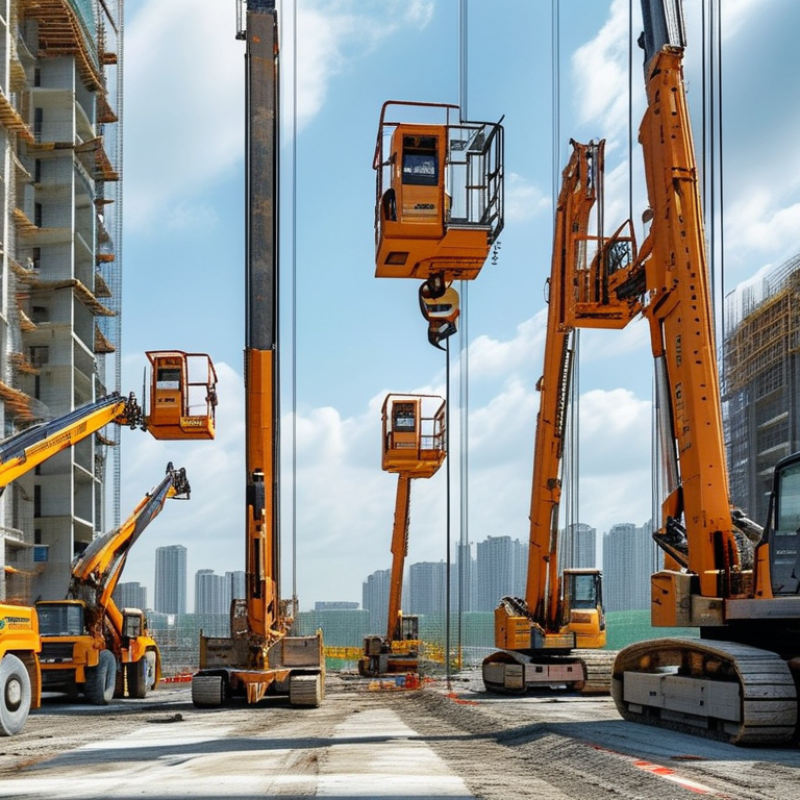
Types of Construction Hoists: An Overview of Popular Options
When it comes to construction hoists, choosing the right type is critical for efficiency. Various hoist options exist, tailored to different project needs. For instance, material hoists are designed for transporting construction materials vertically. They can move loads up to 2,500 pounds and operate at heights of over 200 feet. This makes them vital for skyscraper projects, where traditional methods fall short.
Another option is personnel hoists, which safely transport workers up and down a construction site. These systems can carry up to 2,000 pounds and are equipped with safety features to ensure compliance with OSHA standards. Research indicates that properly used hoists can enhance productivity by up to 30%. However, selecting the right hoist requires careful consideration of load capacity, site conditions, and project timelines.
The use of modular hoists is gaining popularity. They offer flexibility in design and installation. A report shows that modular hoists can reduce setup time by 40%. However, it is crucial to assess their weight limits and operational capabilities. Some contractors find that not every modular unit meets the specific demands of heavy-duty projects. This can lead to delays and increased costs. Thus, careful evaluation is essential when deciding which hoist to use.
Best Construction Hoist Options for Efficient Building Projects
| Type of Hoist |
Load Capacity (lbs) |
Height Reach (ft) |
Power Source |
Typical Applications |
| Construction Freight Hoist |
2000 |
150 |
Electric |
Material transport on construction sites |
| Personal Hoist |
1200 |
100 |
Electric/Battery |
Worker transportation to various heights |
| Rack and Pinion Hoist |
3000 |
200 |
Electric |
Heavy material lifting, installation projects |
| Chain Hoist |
1000 |
50 |
Manual/Electric |
Lifting smaller loads in tight spaces |
| Tower Hoist |
2500 |
100 |
Electric |
Tall building construction and renovations |
Key Features to Consider When Selecting a Construction Hoist
Selecting the right construction hoist can significantly impact project efficiency. Many options exist, yet understanding key features is crucial. Start with the weight capacity. A hoist must handle the load of materials and equipment safely. Overloading can lead to accidents. Check the lifting height as well. Ensure it meets the specific building height requirements for your project.
Safety features should be at the forefront of your decision. Look for models with emergency stop buttons, load limiters, and robust safety nets. These attributes protect workers and materials. Ease of installation and mobility also matter. A hoist that can be quickly assembled or disassembled saves time and reduces downtime.
Consider power source as well. Electric hoists are popular for their efficiency. However, diesel options may be necessary for outdoor sites with limited access to electricity. Reflect on the job site conditions. Will the hoist endure harsh weather or rough terrains? These factors should influence your final choice to ensure optimal functionality.
Benefits of Using Construction Hoists in Building Projects
Construction hoists play a crucial role in modern building projects. They improve efficiency and safety on job sites. By transporting materials and workers quickly, hoists minimize downtime. This leads to faster project completion. When managed correctly, they enhance productivity across various construction tasks.
Using construction hoists offers several benefits. They reduce physical strain on workers, allowing them to focus on their specific jobs. Safety is also improved, as hoists minimize the risk of falls and accidents. However, it is vital to ensure proper training and maintenance. Misuse or neglect can lead to serious issues. It’s essential to have experienced operators and to follow safety guidelines closely.
In addition to enhancing workflow, construction hoists allow for easier access in tall buildings. This is especially useful in urban environments where space is limited. Still, project managers must consider the logistics of installing and operating these hoists. Their integration into the construction process requires careful planning and communication among teams. Each project presents unique challenges that need addressing to maximize efficiency.
Safety Regulations and Compliance for Construction Hoists
In the construction industry, adherence to safety regulations is paramount when using hoists. According to the Occupational Safety and Health Administration (OSHA), falls are among the leading causes of fatalities in construction. This underscores the critical importance of compliance with safety standards for construction hoists. Proper training, regular maintenance, and adhering to load limits can greatly reduce accidents on site. Each year, about 4,000 injuries occur due to hoist-related incidents, highlighting the need for vigilant safety practices.
Regulatory bodies like OSHA and the American National Standards Institute (ANSI) set strict guidelines for hoist usage. Compliance involves ensuring that all operators are properly trained and that equipment meets safety specifications. For example, the ANSI A10.4 standard mandates specific operational protocols that help prevent mishaps. Neglecting these regulations can lead to severe consequences, including fines or work stoppages.
Moreover, project managers often underestimate the role of ongoing safety assessments. Frequent reviews and drills are necessary to keep safety top of mind. Maintenance logs should be scrutinized regularly to ensure hoists are functioning correctly. Inadequate attention to these details can leave teams vulnerable. The data suggests that 60% of accidents stem from either equipment failure or operator error. Safety should always be the priority in construction projects, clearly reflecting the need for compliance and continual vigilance.
Best Construction Hoist Options for Efficient Building Projects
Cost Considerations and Budgeting for Construction Hoist Rentals and Purchases
When considering construction hoists, budgeting is crucial. A report by the Construction Industry Institute indicates that hoisting operations can account for up to 25% of total project costs. Understanding these financial dynamics helps prioritize spending effectively. For instance, purchasing a hoist might seem costly upfront, but it can save money in the long run compared to frequent rentals.
Rental costs for hoists vary widely, typically ranging from $1,500 to $3,000 per month. However, additional fees for maintenance and delivery can inflate these expenses. Project managers must assess the project's duration and lift requirements. If the project lasts over six months, purchasing could offer significant savings. Data from industry surveys highlight that companies often underestimate these expenditures, leading to budget overruns.
It's essential to reflect on previous projects as well. Take into account the learning experiences. An efficient hoisting plan minimizes downtime and improves productivity, yet it requires a balanced budget. Some companies learn the hard way, finding that hidden costs creep up with every rental. Ultimately, an informed decision hinges on thorough cost analysis and reflection on past experiences.




 Ms.Lily International Sales Director
 Join 3S Group