2026 Best Personnel Fall Protection Solutions for Workplace Safety?
In the realm of workplace safety, personnel fall protection remains a critical focus. According to the Occupational Safety and Health Administration (OSHA), falls account for over 30% of all workplace injuries and fatalities. This staggering statistic underscores the necessity for effective fall protection solutions. In 2022 alone, data revealed that nearly 800 workers lost their lives due to fall-related incidents, highlighting a persistent challenge faced by various industries.
Organizations must prioritize personnel fall protection strategies that combine innovation and compliance. Effective solutions can significantly reduce fall risks. Industry experts suggest that implementing proper training and using advanced equipment can mitigate these dangers. However, many employers still struggle with finding the right balance between safety measures and operational efficiency.
By 2026, the best personnel fall protection solutions will need to adapt to evolving workplace environments. These solutions should address the diverse needs of various sectors, such as construction, manufacturing, and maintenance. Investing in effective personnel fall protection not only ensures employee safety but also enhances productivity and morale. The commitment to better fall protection is a journey requiring continuous reflection and improvement.
Defining Fall Protection in the Workplace
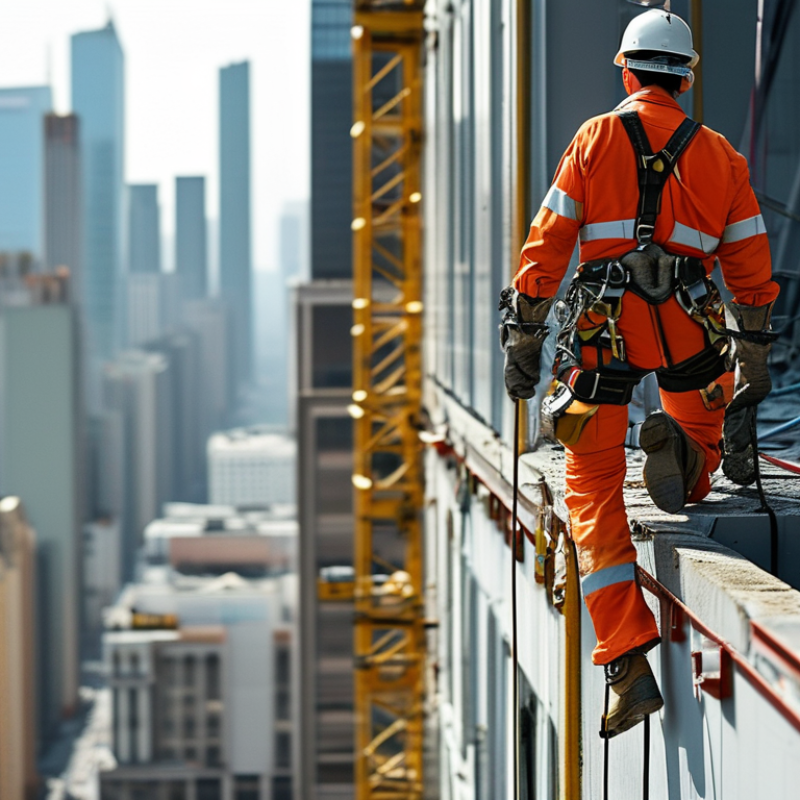
Defining fall protection in the workplace is crucial for employee safety. According to the Occupational Safety and Health Administration (OSHA), falls are the leading cause of workplace injuries. In 2020, they accounted for nearly 33% of all workplace fatalities. This statistic reflects the urgent need for proper fall protection measures in various industries.
Fall protection involves systems and devices designed to prevent falls from heights. It encompasses guardrails, safety nets, personal fall arrest systems, and more. A comprehensive approach requires identifying potential fall hazards. Training employees to understand risks is just as important. Despite existing regulations, many companies still lack effective fall protection strategies.
Data from the National Institute for Occupational Safety and Health (NIOSH) indicate that proper fall protection can reduce accidents by 50%. Yet, some organizations remain complacent. Regular audits and workplace assessments are essential to ensure compliance. Investing in training and safety equipment is not merely a regulatory requirement; it is a commitment to employee well-being. Continuous improvement in safety protocols can help identify gaps, leading to a more robust fall protection strategy.
Key Regulations and Standards for Fall Protection Solutions
When it comes to workplace safety, fall protection is critical. The Occupational Safety and Health Administration (OSHA) outlines key regulations that require employers to provide a safe work environment. In construction, nearly 40% of fatalities result from falls, according to the National Institute for Occupational Safety and Health (NIOSH). This alarming statistic underscores the need for compliance with safety standards such as those set by OSHA.
Employers must implement fall protection solutions in line with industry guidelines. The ANSI/ASSE Z359.1 standard provides essential criteria for personal fall protection systems. As we approach 2026, organizations face increasing scrutiny regarding adherence to these standards. Non-compliance can lead to severe penalties and tragic accidents. Many companies still lack proper training on these regulations, contributing to a considerable risk.
Surprisingly, a significant number of falls occur even with protective gear in place. According to the Bureau of Labor Statistics, around 30% of fall-related injuries happen when workers are wearing safety harnesses. This highlights the need for not just equipment but also effective training. Workers should understand both the equipment and the environment. As we refine fall protection solutions, continuous learning and adaptation are essential to truly safeguard lives.
2026 Best Personnel Fall Protection Solutions for Workplace Safety - Key Regulations and Standards for Fall Protection Solutions
| Solution Type |
Key Regulations |
Compliance Standards |
Application Areas |
Advantages |
| Guardrails |
OSHA 1926.502 |
ANSI/ASSE Z359.1 |
Construction Sites |
Provides a physical barrier; easy to install |
| Personal Fall Arrest Systems |
OSHA 1910.140 |
ANSI Z359.2 |
Industrial Workplaces |
Comprehensive fall protection; user-friendly |
| Safety Nets |
OSHA 1926.502 |
ANSI/ASSE Z359.3 |
Roofing and Construction |
Effective for large areas; versatile |
| Lanyards and Lifelines |
OSHA 1910.140 |
ANSI Z359.6 |
Maintenance Work |
High mobility; flexible for various applications |
| Retractable Lifelines |
OSHA 1926.502 |
ANSI Z359.14 |
Construction, Oil and Gas |
Automatic self-retracting; reduces fall distances |
Types of Personnel Fall Protection Equipment Available
When it comes to workplace safety, effective fall protection is vital. The Occupational Safety and Health Administration (OSHA) reports that falls are the leading cause of workplace injuries. With 81% of fall-related fatalities in construction, the significance of proper fall protection is clear. Various equipment types serve this essential function, including harnesses, guardrails, and safety nets.
Fall harnesses are crucial for workers at height. A reliable harness can reduce the risk of injury during a fall. In fact, studies show that proper use can decrease the chances of serious injury by up to 90%. Guardrails provide an effective barrier, preventing workers from accidental slips. However, many workplaces still lack sufficient guardrail systems, exposing employees to unnecessary risks.
Safety nets can catch falling workers and tools. This equipment is recommended for constructions where harness systems aren't feasible. Despite their effectiveness, they often receive insufficient attention during risk assessments. It's concerning that only 25% of companies fully comply with fall protection standards. Continuous training and equipment checks are necessary to enhance awareness and maintain safety in high-risk environments. Addressing these gaps ensures a safer workplace for everyone involved.
Best Practices for Implementing Fall Protection Strategies
Implementing effective fall protection strategies is crucial for workplace safety. Assessing the work environment is the first step. Identify job sites with varying heights and potential fall hazards. Employees should be involved in hazard assessments. Their input can reveal unseen risks and practical solutions. Training programs must be tailored to specific tasks. A one-size-fits-all approach may overlook critical needs.
Employers should encourage a culture of safety. Regular safety meetings can foster open dialogues about fall protection. Use visual aids and demonstrations to reinforce knowledge. Employees are more likely to remember practical examples. Additionally, routine inspections of fall protection equipment are vital. Damaged gear can lead to serious accidents.
Reflecting on past incidents can provide valuable insights. Analyze what went wrong and how it can be avoided. Use these lessons to modify strategies and improve training. Continuous learning is key to adapting to new challenges. Consistent reinforcement of protocols helps maintain focus on safety. Only a proactive approach can truly minimize fall risks in any workplace.
Evaluating the Effectiveness of Fall Protection Solutions
Evaluating the effectiveness of fall protection solutions is crucial for workplace safety. Every year, numerous accidents occur due to falls from heights. Understanding which solutions effectively minimize these risks can save lives and reduce workplace injuries.
Many workplaces utilize harness systems and guardrails, but the reliability of these methods varies. Harnesses must fit properly to function effectively. If they are too loose or worn out, they might not provide the intended protection. Similarly, guardrails may need regular inspections. Deterioration over time can compromise their ability to prevent falls.
Training and awareness also play significant roles. Employees must understand how to use fall protection equipment. Many workers feel uncomfortable when using new systems. This hesitance can lead to accidents. Regular training that simulates real-life scenarios can help build confidence. Evaluating safety protocols regularly is essential to ensure compliance and effectiveness. Feedback from workers who face these risks daily is invaluable. Continuous improvement in safety measures can only be achieved by listening to them.
2026 Best Personnel Fall Protection Solutions for Workplace Safety
This chart evaluates the effectiveness of different fall protection solutions based on user feedback scores. Each solution is rated on a scale from 1 to 10, representing its perceived effectiveness in enhancing workplace safety.








 Ms.Lily International Sales Director
 Join 3S Group