How to Choose the Right Electric Hoist Remote for Your Needs?
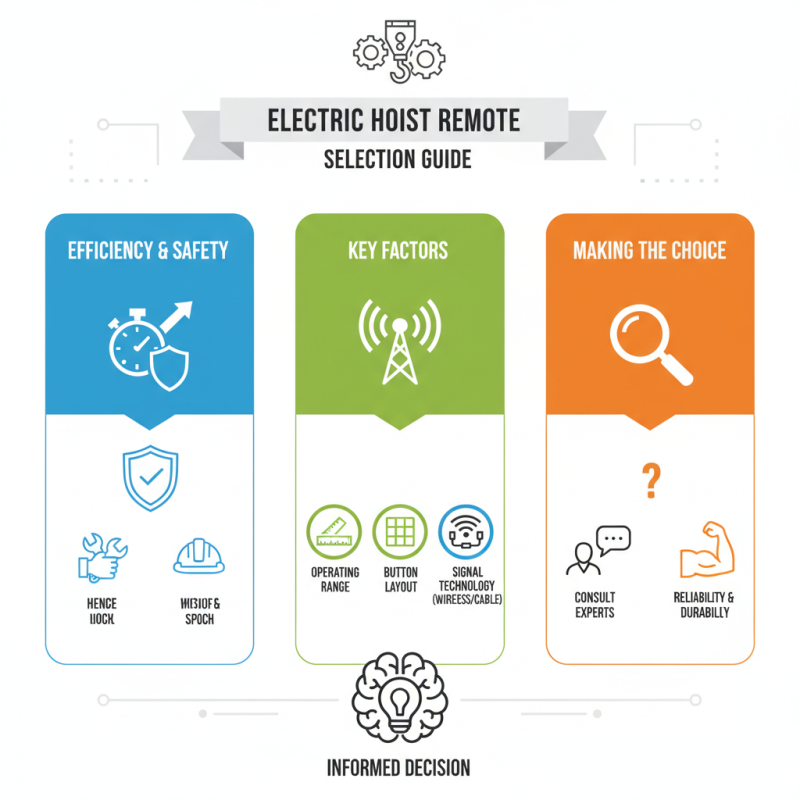
Choosing the right Electric Hoist Remote is essential for efficiency and safety in various lifting operations. A suitable remote can drastically enhance control and precision, making tasks smoother. In an industrial environment, where lifting heavy loads is routine, selecting the proper remote can reduce strain and minimize accidents.
Many factors influence the selection process. Consider the operating range, button layout, and signal technology. Some remotes offer wireless control, while others use cables. Understanding your specific needs will help narrow down options. A poorly chosen Electric Hoist Remote can lead to inconvenience and potentially dangerous situations.
It is vital to consult with experts in the field. Their insights can provide direction on crucial features. Reliability and durability are also paramount; a remote must withstand the wear and tear of day-to-day use. Reflecting on the potential shortcomings of various models will guide you toward making a more informed choice. Your choice can make a significant difference in your operations, impacting both productivity and safety.
Understanding Types of Electric Hoist Remotes: A Comprehensive Overview
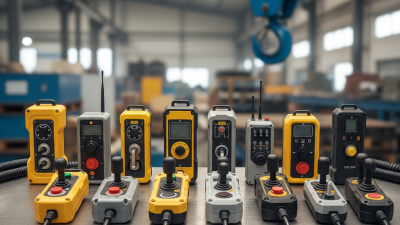
When choosing an electric hoist remote, it's vital to understand the different types available. Remotes can be wired or wireless, each with distinct advantages. Wired remotes are reliable and simple, but they can limit mobility. Wireless options offer more freedom of movement, essential for complex lifting tasks.
Different remotes also support various control functions. Some have single-button operation for straightforward tasks. Others feature multiple buttons for intricate movements, allowing precise control. It's essential to consider the specific lifting requirements for your tasks and the environment where the hoist will be used.
Additionally, assess the build quality and range of the remote. A robust remote ensures longevity, especially in harsh conditions. However, it’s easy to overlook compatibility with your hoisting system. Double-checking specifications can save you from frustrations later. Seeking expert advice can often help you navigate these choices more confidently.
How to Choose the Right Electric Hoist Remote for Your Needs?
| Remote Type |
Range (ft) |
Number of Functions |
Power Supply |
Special Features |
| Wired Remote |
5 |
2 |
N/A |
Cost-effective |
| Wireless Remote |
100 |
4 |
Battery |
Increased mobility |
| Call Station |
3 |
2 |
AC Power |
Emergency stop |
| Smart Remote |
150 |
8 |
Wi-Fi/Battery |
App integration |
Key Features to Look for in Electric Hoist Remotes: An Industry Insight
When selecting an electric hoist remote, it’s essential to consider key features that match your operational needs. Durability stands out as a crucial aspect. Look for models with weather-resistant coverings, especially if used outdoors. Wireless options can offer flexibility, but ensure the signal remains strong over distances.
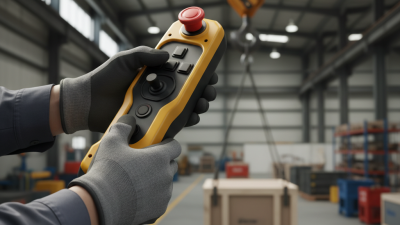
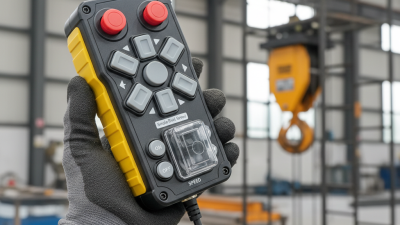
Control features are also important. Some remotes have variable speed control, which provides precision in handling heavy loads. Check the button layout; it should be intuitive and easy to operate even with gloves. Safety features cannot be overlooked—emergency stop buttons can prevent accidents in critical situations.
Finally, battery life is a major concern. A remote with a short battery life could disrupt operations. Not all remotes display battery charge levels, making it harder to anticipate changes. Regularly evaluating your chosen remote against your workflow can reveal areas for improvement. Make adjustments based on user feedback and operational demands for the best outcome.
Evaluating Distance and Signal Range for Electric Hoist Remotes
When choosing an electric hoist remote, evaluating the distance and signal range is crucial. The effective range of your remote can greatly affect operations. If the range is too short, it can complicate the lifting process. Consider your workspace. Large warehouses may require a remote with a longer signal range. This ensures that operators can control the hoist from a safe distance.
Signal interference is another factor to consider. Walls, machinery, and other obstacles can disrupt the signal. Test different locations to identify areas with optimal reception. Sometimes, the remote may work well in one spot but fail in another. Regular assessments of signal performance can help avoid unexpected failures.
Lastly, reflect on the usage frequency. A remote used sporadically may not need a long-range feature. However, high-traffic environments demand robust signal strength. Balance your needs with the capabilities of the hoist remote. Make sure to account for various scenarios that may arise during operation. This thoughtful evaluation helps in making a more informed decision.
Comparative Analysis of Wired vs. Wireless Electric Hoist Remotes
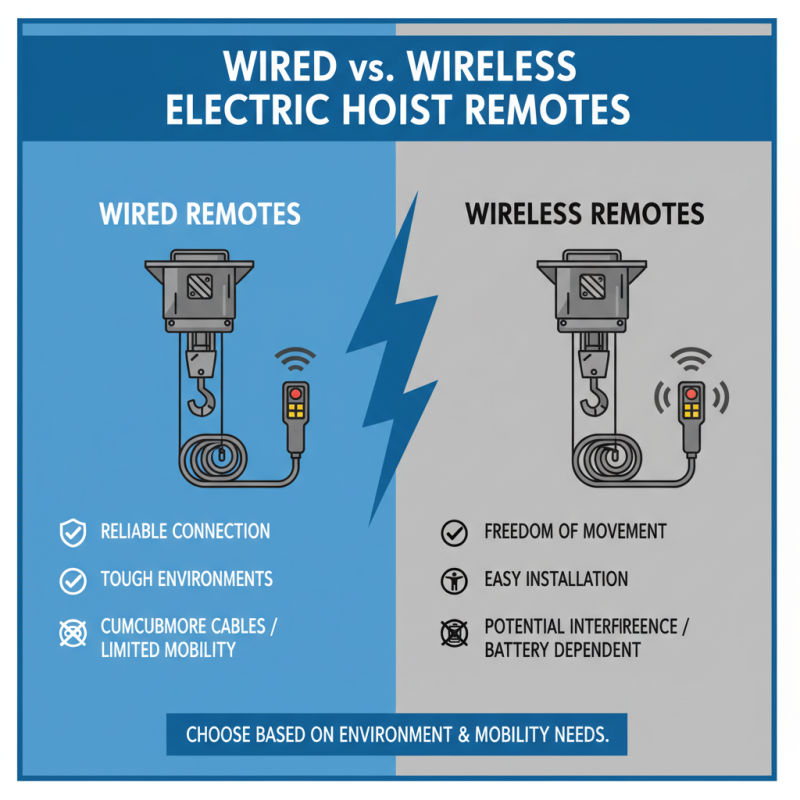
When choosing an electric hoist remote, wired and wireless options each have distinct advantages. Wired remotes are often more reliable in tough environments. They maintain a steady connection, ensuring operator safety. However, they can become cumbersome. Cables may snag or limit movement. This can hinder efficiency, especially in tight spaces.
On the other hand, wireless remotes offer flexibility and convenience. They allow the operator to move freely without being tethered. This is particularly beneficial in large areas, where reaching the hoist can be difficult. However, wireless systems rely on battery life and signal strength. Problems can arise from obstructions or low batteries. Operators must regularly check power levels.
Evaluating the environment is critical. For confined spaces, a wired option may be best. If mobility and ease of access are priorities, wireless remotes shine. Each option has its trade-offs. Personal preferences and specific needs will dictate the best choice. Consider what works best to avoid future frustrations.
Safety Standards and Compliance for Electric Hoist Remote Selection
When selecting an electric hoist remote, safety standards must guide your decision. These remotes should comply with local and international safety regulations. For instance, look for devices that meet UL, CE, or ISO certification requirements. Consider the remote’s design. It must be durable and ergonomic, reducing the chance of accidental drops.
User experience is crucial. People often overlook how intuitive controls are. A complex interface can lead to mistakes in critical situations. Simplicity can increase functionality, while common features like emergency stop buttons enhance safety. Check the remote's range. Make sure it can operate the hoist from a safe distance.
Reflecting on these elements can help ensure a safe working environment. Evaluate how your choice impacts overall safety. Ask yourself: does the remote offer clear feedback? Are the controls distinguished and easy to use under pressure? Remember, the goal is to minimize risks while maximizing efficiency.



 Ms.Lily International Sales Director
 Join 3S Group