Top Mobile Lifting Equipment in China for Global Buyers?
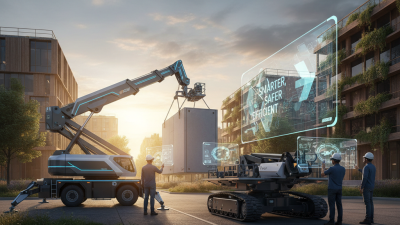
The demand for Mobile Lifting Equipment in China is rapidly increasing. As a global hub for manufacturing, China offers a range of innovative lifting solutions that cater to various industries. According to industry expert Jack Zhou, “The evolution of mobile lifting technologies is reshaping how businesses operate.” His insights highlight the pivotal role that this equipment plays in enhancing operational efficiency.
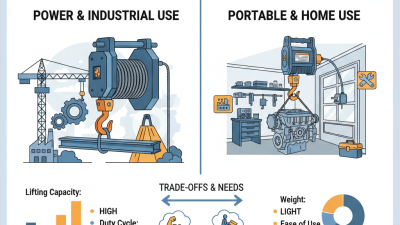
Mobile Lifting Equipment is essential for construction, logistics, and maintenance sectors. These devices improve safety and productivity on job sites. However, not all products meet international quality standards. Buyers must conduct thorough research to ensure reliability and performance. The Chinese market is vast, but discerning the leading brands can be challenging.
It’s important to note that while quality is a priority, some equipment may fall short in specific applications. Companies should evaluate their unique needs before making a purchase. Adopting new technologies can be daunting, yet it is essential for staying competitive. Regular reviews of equipment and vendors can prevent unforeseen issues. The landscape of Mobile Lifting Equipment continues to evolve, prompting buyers to remain vigilant and informed for the best choices.
Top Mobile Lifting Equipment Used in China and Their Specifications
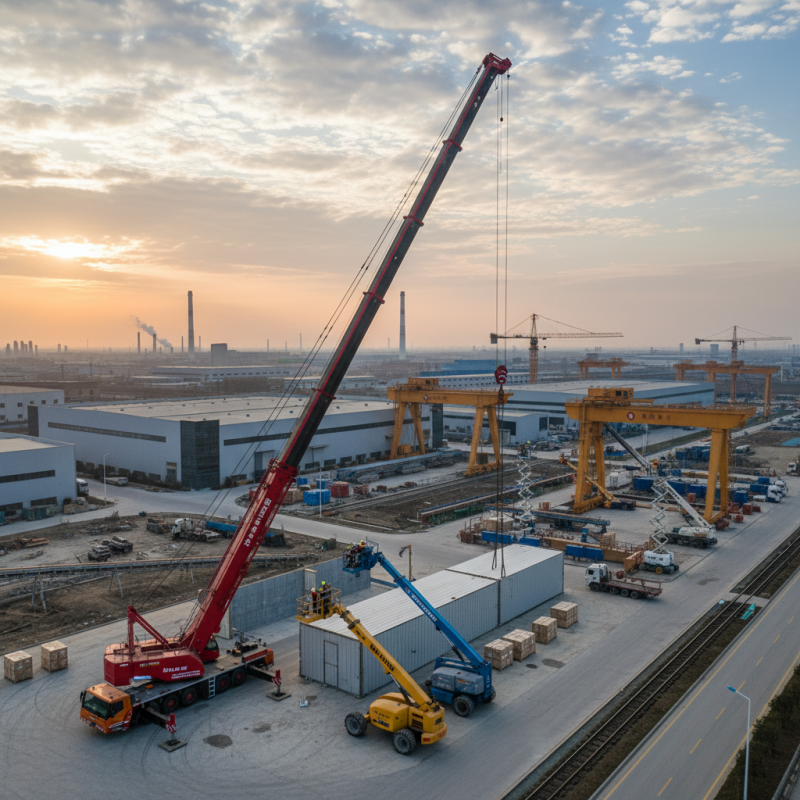
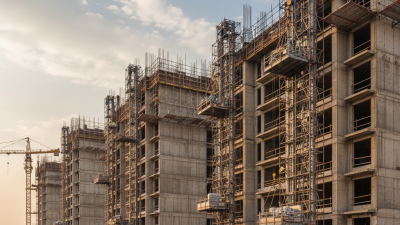
Mobile lifting equipment plays a critical role in various industries across China. These machines are essential for construction, warehousing, and logistics. According to a recent industry report, the demand for mobile cranes and forklifts has surged by approximately 15% annually, reflecting the rapid growth of urban development and infrastructure projects in the region.
Specifications of popular equipment highlight their versatility and efficiency. Hydraulic mobile cranes typically boast load capacities ranging from 5 tons to over 200 tons. They feature advanced control systems, ensuring precision in lifting and positioning. Forklifts, widely used in warehouses, often come with lifting heights reaching up to 6 meters. Innovations in battery technology have led to electric models that enhance operational efficiency while minimizing environmental impact.
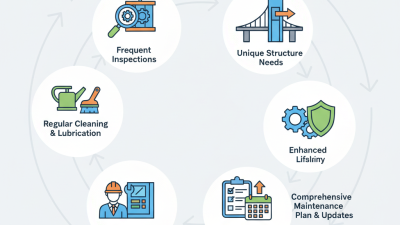
Despite these advancements, challenges remain. Users often report issues relating to maintenance and reliability. Regular inspections are crucial to ensure safety standards are met. There are ongoing debates about the cost implications of advanced models versus traditional equipment. These factors are vital for buyers to consider when selecting the most appropriate lifting equipment for their needs.
Key Manufacturers of Mobile Lifting Equipment in China
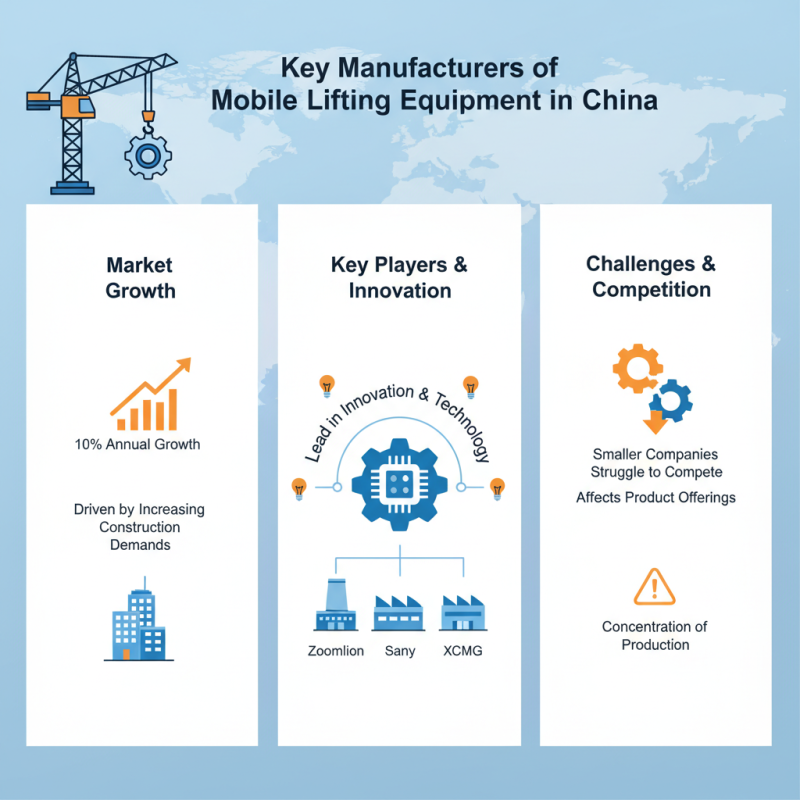
China has emerged as a key player in the global mobile lifting equipment market. According to a recent industry report, China's mobile lifting equipment segment is expected to grow by 10% annually, driven by increasing construction demands. Key manufacturers in this sector often lead in innovation and technology. However, the concentration of production can also lead to challenges. Many smaller companies struggle to compete, affecting diversity in product offerings.
Significant manufacturers maintain a strong presence in exports. They leverage advanced technologies to ensure efficiency and safety. A report by industry analysts notes that over 60% of mobile lifting equipment used globally originates from China. This highlights the country's pivotal role. The emphasis on meeting international standards can sometimes lead to quality inconsistencies among lesser-known brands. For buyers, selecting manufacturers that prioritize rigorous testing and certification becomes essential.
Challenges in supply chain management have also surfaced. The COVID-19 pandemic highlighted vulnerabilities in global logistics. Additionally, fluctuations in raw material costs have impacted pricing. Buyers should remain aware of these elements when sourcing equipment. Long-term partnerships with reputable manufacturers can help mitigate risks in such a volatile market. As the industry evolves, attention to quality and sustainability will be increasingly important for all stakeholders involved.
Global Market Trends Influencing China's Lifting Equipment Industry
China's lifting equipment industry is rapidly evolving. Various global market trends significantly influence its development. The rising demand for automation in various sectors drives innovation. According to recent reports, the global mobile lifting equipment market is expected to grow by over 5% annually, reaching approximately $10 billion by 2025. This growth suggests a substantial opportunity for Chinese manufacturers to expand their market reach.
Investment in advanced technologies is crucial. Artificial intelligence and smart lifting solutions are gaining traction. Data shows that about 30% of companies are adopting these technologies to improve safety and efficiency. However, adapting to these changes can be challenging. Many manufacturers struggle with the rapid pace of innovation. Worker training and equipment updates often lag. Such issues need urgent attention to remain competitive.
Sustainability is another vital trend shaping the industry. With increasing awareness of environmental impact, more companies are seeking eco-friendly solutions. A report noted that approximately 70% of buyers consider sustainability when purchasing equipment. This shift presents an opportunity for manufacturers willing to innovate. However, the transition toward greener practices can be complex. It requires significant investment and commitment. Balancing efficiency and sustainability will be essential for future success.
Top Mobile Lifting Equipment in China for Global Buyers
| Equipment Type |
Load Capacity (tons) |
Applications |
Price Range (USD) |
Market Growth (2023-2028) |
| Mobile Scissor Lift |
0.5 - 3 |
Construction, Maintenance |
$4,000 - $15,000 |
5% CAGR |
| Articulating Boom Lift |
1 - 20 |
Warehousing, Utility Work |
$10,000 - $60,000 |
6% CAGR |
| Crawler Crane |
10 - 300 |
Heavy Lifting, Construction |
$50,000 - $500,000 |
7% CAGR |
| Telehandler |
2 - 5 |
Agriculture, Construction |
$35,000 - $80,000 |
4% CAGR |
| Forklift Truck |
1 - 5 |
Warehouses, Factories |
$20,000 - $50,000 |
3% CAGR |
Purchasing Considerations for Global Buyers of Chinese Lifting Equipment
When purchasing lifting equipment from China, global buyers should consider several key factors. Quality is paramount. Investigate the manufacturer's track record. Look for certifications that ensure compliance with international standards. Many Chinese manufacturers offer competitive prices, but quality control can vary widely. Ensuring that you are not compromising safety for cost is crucial.
Tips: Always ask for product samples before making bulk purchases. This allows you to check quality directly. Research user reviews and testimonials to gauge others' experiences with the equipment.
Another important factor is customer support. A reliable supplier should offer excellent after-sales service. Make sure they provide training for equipment use and maintenance. Long-term support can save you from potential issues down the line.
Tips: Choose suppliers who have English-speaking staff. This can prevent miscommunication regarding your needs and requirements. Establishing a good relationship with the supplier can lead to better service and pricing.
Top Mobile Lifting Equipment in China for Global Buyers
Regulatory Standards and Safety Features in Chinese Mobile Lifting Equipment
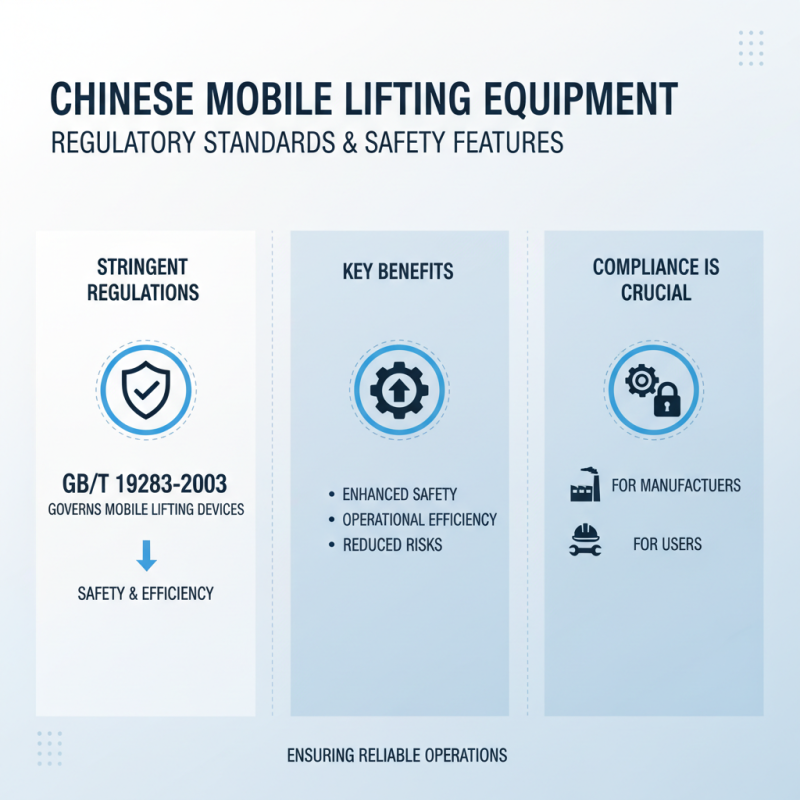
Mobile lifting equipment in China is subject to stringent regulatory standards. These standards ensure safety and efficiency in various applications. China has implemented the GB/T 19283-2003, which governs mobile lifting devices. Compliance with these regulations is essential for manufacturers and users alike.
According to a 2022 report by the China Construction Machinery Association, the mobile lifting equipment market is projected to grow by 10% annually. This growth highlights the increasing demand for safe and reliable equipment. Features such as overload protection, emergency stop buttons, and stable base structures are critical. These elements not only enhance safety but also improve operational efficiency.
Despite these advancements, challenges persist. Many outdated models still operate without modern safety features. Users may overlook maintenance, risking accidents. Hence, ongoing training and adherence to safety protocols are crucial. Recognizing these shortcomings is vital for ensuring a safer future in mobile lifting operations.




 Ms.Lily International Sales Director
 Join 3S Group