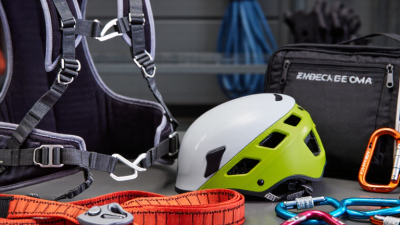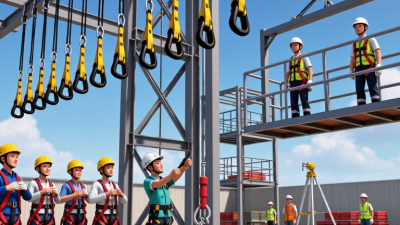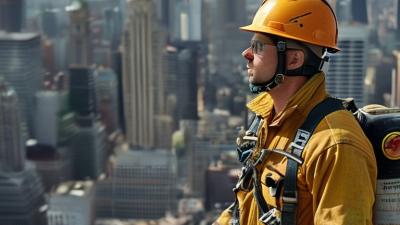
Choosing the right Climbing Work gear supplier in 2026 requires more than comparing prices. Workers depend on equipment that performs under rain, dust, cold, and repeated loading. A strong supplier should provide tested ropes, harnesses, helmets, connectors, descent devices, rescue systems, and clear inspection guidance.
This guide examines leading suppliers through practical criteria. These include product quality, traceability, technical support, training resources, delivery reliability, and after-sales service. Field experience matters. A harness may feel comfortable in a showroom, yet create pressure points after six hours on a tower. A rope may look durable, yet handle poorly during a controlled descent. Small details can decide whether work remains efficient and safe.
Ed Viesturs, a respected mountaineer, once said, “Getting to the top is optional. Getting down is mandatory.” That principle also shapes professional Climbing Work equipment decisions. Suppliers must support safe returns, not merely successful climbs. However, no supplier is perfect. Some offer excellent hardware but limited training. Others provide strong guidance but higher prices or slower regional delivery.
The comparison will consider established manufacturers and specialist distributors serving industrial climbers, rope-access teams, tower technicians, and rescue professionals. It will also question marketing claims, certification language, warranty limits, and replacement procedures. Standards change. Worksites differ. A product suitable for one crew may be unsuitable for another. The best choice depends on real tasks, user competence, inspection discipline, and local availability. This overview aims to make that choice clearer, while recognizing that supplier rankings need regular review.
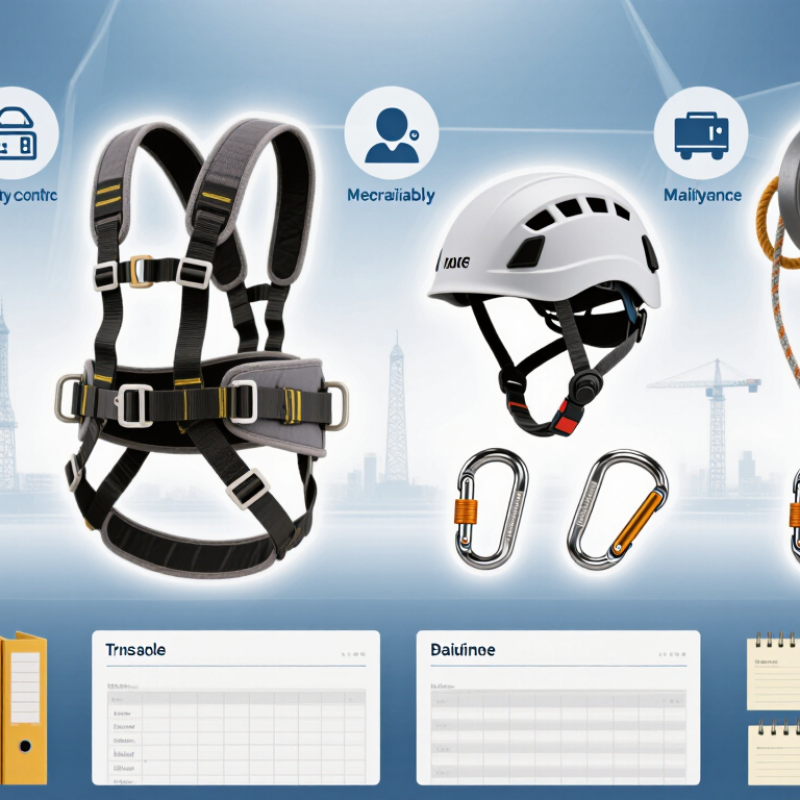
Selecting climbing work gear suppliers in 2026 requires more than checking catalog prices. OSHA’s 1,800-pound maximum arresting-force requirement remains a critical evaluation point for personal fall-arrest systems. Under 29 CFR 1910.140 and 1926.502, a body harness system must limit arresting force to 1,800 pounds when properly used. Suppliers should provide current test reports, product traceability, inspection procedures, and compatibility evidence. OSHA does not approve individual products, so vague “OSHA compliant” language deserves careful review.
The risk is measurable. The U.S. Bureau of Labor Statistics reported 885 fatal workplace falls, slips, and trips in 2023. That figure supports stricter supplier screening, especially for equipment used near edges, towers, and vertical access routes. Look for documented dynamic testing, energy-absorbing lanyards, clear weight limits, and instructions that workers can understand under pressure. Ask how the 1,800-pound limit was verified across the complete system, not only one component. That distinction matters.
Small details reveal supplier quality. Labels should remain readable after abrasion, stitching should be easy to inspect, and replacement guidance should be specific. Some procurement teams still compare products by appearance or unit cost. That is a weak method. It can miss connector incompatibility, deployment clearance, or poor rescue planning. A practical evaluation should include sample inspection, worker feedback, training records, and independent laboratory evidence. No supplier gets everything right. Reflective review is necessary.
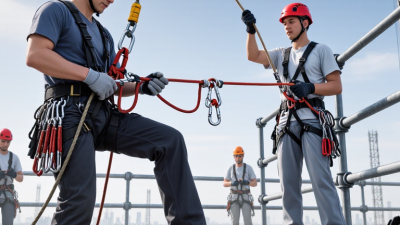
In 2026, reliable climbing work gear suppliers should provide verified equipment, clear documentation, and practical technical support. For rope access and work-at-height teams, EN 361 full-body harnesses remain a vital protection component. They distribute arrest forces through the shoulders, chest, pelvis, and legs. A correct fit matters more than a familiar product name.
Fit changes everything.
During inspections, I check webbing edges, stitching, buckles, dorsal attachment points, and labels. Dust can hide damage near adjustment buckles. Sweat and repeated loading can also weaken materials over time. The harness should sit firmly without restricting breathing or movement. I once noticed a twisted leg strap during a routine check. It was not dramatic, but it could have affected performance during a fall.
EN 355 energy absorbers reduce arrest forces by controlled deployment. They must match the harness, connectors, and anchor arrangement. Length, clearance, and potential swing distance require careful calculation. A compact absorber may still need substantial fall space. Users should confirm inspection intervals, storage conditions, and compatibility before every task. Product records should remain readable and traceable.
Training reveals practical problems.
A supplier can offer excellent equipment, yet poor guidance creates risk. Ask for inspection instructions, user training, and replacement criteria. A checklist helps, but it cannot replace judgment. Sometimes, the safest decision is delaying work until a damaged or uncertain component is removed from service.
EN 355 sets a maximum arrest-force limit of 6 kN for energy absorbers. This standards-based figure is not a comparison of suppliers or products.
EN 361 specifies requirements for full-body harnesses; EN 355 covers energy absorbers. Always check equipment compatibility and follow the manufacturer’s instructions.
In 2026, dependable climbing work gear is more than a harness and a rope.
A sound fall-protection system pairs compatible equipment with clear instructions and documented testing. Look for supplier records showing how each component aligns with the relevant ANSI Z359 requirements. The standard is a family of documents, not one blanket approval. Details matter.
Check labels, inspection dates, and user-weight limits before equipment reaches the worksite. For example, a self-retracting device and anchor must suit the task and one another. Confirm fall clearance; a low beam or platform edge can leave little room to stop safely.
Ask suppliers for traceable documentation, compatibility guidance, and practical training. Paperwork helps, but it cannot replace inspection.
Daily use changes equipment. Abrasion, damaged stitching, corrosion, or a device that fails to retract can signal a problem.
Remove questionable gear from service and follow the maker’s inspection and retirement instructions.
One easy-to-miss point is rescue planning. Workers need a specific plan, suitable equipment, and practiced steps—not just a phone number.
Even a compliant system can be poorly matched to a job. Verify the setup with a qualified safety professional before relying on it.
A reliable EN 353-1 vertical lifeline solution depends on more than a label. Check the system’s intended use, approved components, and installation instructions before comparing suppliers. A guided fall arrester must travel smoothly along its compatible anchor line and lock during a fall. Small mismatches matter. For example, a connector that does not fit the line can compromise the setup.
Ask suppliers for current technical documentation, inspection guidance, and clear compatibility details. Compare how systems handle real site conditions, such as a damp ladder, gloves, and limited clearance near a platform. Confirm that users can inspect the line and arrester before each use, and arrange installation and training through qualified personnel. A polished specification sheet may still leave questions about daily checks. Ask them. Also verify that the product’s stated standard and configuration match the job; requirements can differ by application.
Tips: Before use, check the line for wear, corrosion, or loose fittings. Test the arrester’s movement as instructed. Keep records of inspections, and remove damaged equipment from service. Never assume components from different systems are interchangeable.
Comparing climbing work gear suppliers requires more than checking product prices. Load ratings should match the intended task, user weight, system angle, and expected forces. Look for clearly stated working load limits and minimum breaking strengths. A neat specification sheet can still hide important compatibility details.
Certification records deserve careful attention. Suppliers should identify applicable PPE standards, testing bodies, production dates, and traceability codes. Requirements may vary by country and equipment category. Ask for current declarations, not screenshots from old product pages. Independent inspection reports add useful confidence, especially for harnesses, connectors, ropes, and descenders.
Training quality separates experienced suppliers from simple resellers. Strong programs cover fitting, pre-use checks, retirement decisions, rescue planning, and hands-on practice. Product demonstrations should use realistic anchor points and controlled loads.
Warranty terms also need close reading. Check coverage length, inspection procedures, replacement rules, shipping responsibilities, and exclusions for abrasion or unauthorized repairs. A longer warranty is not automatically better. Some policies offer little practical support after an incident. I would compare response times and documentation requirements before selecting a supplier. Field crews often need replacement equipment quickly, but rushed decisions can overlook an expired certificate or mismatched load rating. Supplier audits should be repeated, because records, trainers, and manufacturing controls can change during 2026.