What is a Power Stations Lift and How Does it Work?
In the realm of power generation, innovative machinery plays a pivotal role. One such vital equipment is the Power Stations Lift. It is essential for efficient operations in power plants. According to Dr. Emily Ramirez, an expert in industrial automation, "A well-designed Power Stations Lift can significantly enhance workflow and safety."
Power Stations Lifts are specialized devices that facilitate the movement of heavy equipment and maintenance personnel. These lifts ensure that technicians can access machinery easily and safely. For instance, maintenance teams rely on these lifts to conduct repairs and inspections at great heights. This access is crucial for operational efficiency.
However, the design and operation of Power Stations Lifts are not without challenges. Ensuring they meet safety standards can be complicated. Regular inspections and maintenance are necessary to prevent accidents. As technology advances, the integration of smart features may offer solutions. Yet, the industry must also address potential over-reliance on technology. Balancing innovation with traditional safety practices remains a crucial consideration.
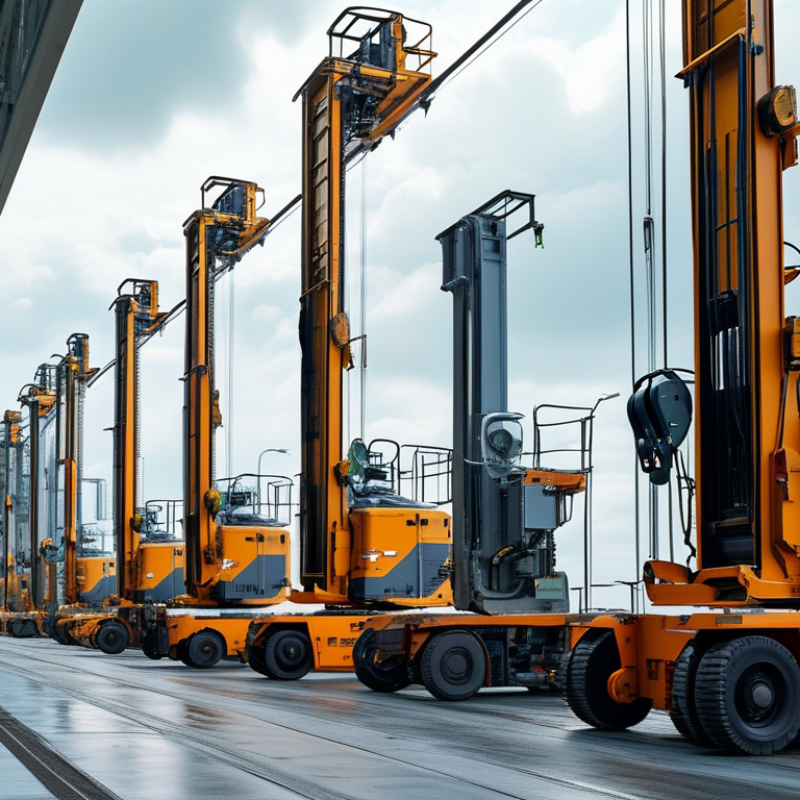
What is a Power Stations Lift?
Power Stations Lifts play a crucial role in the operation of power facilities. These specialized lifts are designed to transport personnel and equipment within power stations, ensuring safe and efficient movement. They connect different levels of the facility, allowing quick access to turbines, generators, and control rooms. In high-demand areas, such as maintenance zones, the lifts facilitate operations that are vital for continuous power generation.
The engineering behind Power Stations Lifts is fascinating. They use advanced technologies to handle heavy loads, ensuring reliability. Operators must receive proper training to use them safely and efficiently. Maintenance is critical; even minor issues can lead to delays or safety hazards. There might be instances where operators face unexpected challenges, like breakdowns or communication failures. Reflecting on these scenarios can lead to improvements in operational procedures.
Safety protocols are also essential. Lifts are designed with multiple fail-safes, but accidents can still happen. Regular inspections help identify potential problems before they escalate. Staff must remain vigilant and ready to respond to emergencies. This proactive approach not only enhances safety but also boosts overall efficiency in power stations. Power Stations Lifts are indispensable in facilitating operations, but they require careful management and a commitment to continuous improvement.
The Key Components of Power Stations Lifts
Power stations lifts play a crucial role in the maintenance and operation of energy facilities. These lifts are specifically designed for heavy loads and vertical transportation within power plants. The key components of these lifts include robust lifting mechanisms, safety systems, and control units. Hydraulic and electric systems are often used, allowing for smooth and efficient operation, even with loads exceeding 10 tons.
A report by the International Energy Agency mentions that power plants require specialized equipment. The lifts must operate under challenging conditions, with temperature fluctuations and potential exposure to hazardous materials. This highlights the importance of materials and design in lift construction. High-strength steel and corrosion-resistant components are essential for maintaining safety and reliability.
Safety features are indispensable in power station lifts. These include emergency brakes, overload sensors, and safety interlocks. Although designed with safety in mind, incidents can occur if maintenance is neglected. Regular inspections and adherence to safety protocols are critical to prevent accidents. The integration of technology, such as remote monitoring systems, can enhance operational oversight, yet it also raises questions about cybersecurity risks in industrial settings.
The Working Mechanism of Power Stations Lifts
Power station lifts serve as vital components in the energy sector. These specialized lifts enable the efficient movement of maintenance personnel and equipment within power generation facilities. Understanding their working mechanism enhances our appreciation of their role.
The primary function of a power station lift is to transport heavy loads vertically. It operates using a system of cables and pulleys. An electric motor enables the lift to ascend or descend. Power station lifts often feature robust safety measures. These ensure protection against overloads and mechanical failures. Regular maintenance of the lifting system is crucial for reliable operation. Sometimes, unexpected failures occur. Technicians must always be prepared for such scenarios.
Tips: When working in a power station, always adhere to safety protocols. Utilize proper personal protective equipment (PPE) to mitigate risks. Take time to familiarize yourself with the lift's operational guidelines. This knowledge can prevent accidents and equipment damage. Understanding how lifts function can also be beneficial when troubleshooting issues. Consider observing maintenance routines. Reflecting on real-world scenarios often highlights areas for improvement.
Applications of Power Stations Lifts in Energy Generation
Power stations lifts play a crucial role in energy generation. They are designed to transport heavy equipment and personnel efficiently. These lifts ensure quick access to various areas of power plants. This is essential for maintenance and inspections. Smooth operation can significantly reduce downtime.
In coal, gas, and renewable energy facilities, power station lifts are integral. They help move turbines, transformers, and boilers. Each lift must meet specific standards for safety and reliability. Heavy machinery demands precision. Improper use or maintenance can lead to accidents, resulting in significant delays.
Training operators is vital for the lifts’ effectiveness. Workers need to understand load limits and emergency protocols. Regular inspections are necessary to identify wear and tear. This helps prevent failure during critical operations. Some facilities may overlook these factors, leading to unexpected challenges. Continuous improvement in lift technology will enhance efficiency and safety in the energy sector.
Power Stations Lift Applications in Energy Generation
Safety Features and Maintenance of Power Stations Lifts
Power stations lift systems are essential for moving equipment and personnel efficiently. Safety features are critical in these environments. Many lifts are equipped with emergency braking systems. These systems engage if a lift moves too quickly. Regular inspections ensure these systems function as intended.
Maintenance of power station lifts should not be overlooked. Operators must monitor wear and tear frequently. Lubrication of moving parts is vital to prevent breakdowns. Many facilities have checklists to guide this. Yet, adherence to these checklists can be inconsistent. Training staff on maintenance protocols can enhance reliability.
Communication is key to safety. Visible signs remind personnel of weight limits and appropriate usage. Regular safety drills are advisable. However, complacency can creep in, leading to dangerous situations. Reflecting on past incidents helps improve future practices. Continuous learning and adaptation are essential for safe operation.
What is a Power Stations Lift and How Does it Work? - Safety Features and Maintenance of Power Stations Lifts
| Feature |
Description |
| Purpose |
Transporting equipment and personnel safely within power stations. |
| Types of Lifts |
Scissor lifts, Platform lifts, Freight lifts, and Passenger lifts. |
| Safety Features |
Emergency stop button, overload protection, safety gates, and alarm systems. |
| Maintenance Requirements |
Regular inspections, routine maintenance checks, and lubrication of moving parts. |
| Regulatory Compliance |
Must adhere to local and international safety standards for lifts. |
| Training Requirements |
Operators must be trained in safety protocols and emergency procedures. |



 Ms.Lily International Sales Director
 Join 3S Group