Leave Your Message

What Is an LNG Tank Hoist and How Does It Work?

An LNG tank hoist is a lifting system used to raise and lower equipment or materials during work around a liquefied natural gas storage tank. The name can describe different arrangements, from a chain hoist mounted on a beam to a powered wire-rope hoist integrated into a larger lifting structure. The exact setup depends on the task, load, and tank design. Small movements matter.

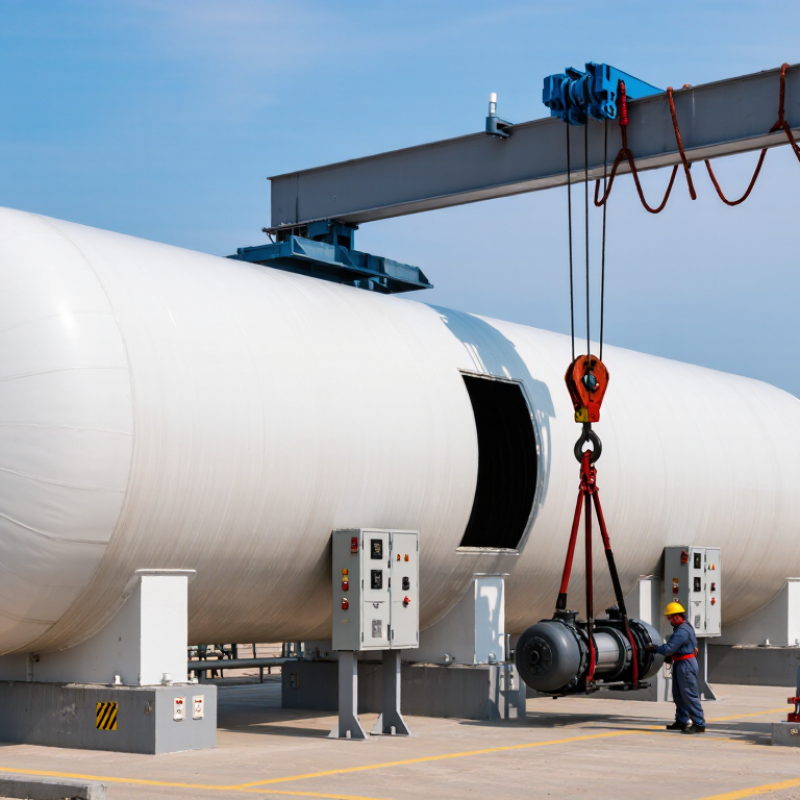
In basic operation, a motor or manual drive turns a gearbox and lifting mechanism. A chain or wire rope carries the load, while a hook or approved attachment connects it securely. Brakes help hold the load when movement stops, and controls let an operator raise, lower, or pause the lift. For example, technicians may use a hoist to position a pump component near a tank access point. The lift must remain within the equipment’s rated capacity.

LNG facilities require careful planning because their operating environment can involve cryogenic temperatures and flammable gas hazards. Hoist selection, installation, inspection, and operating procedures should match the site’s engineering requirements. Equipment may need features suited to its specific hazardous-area classification; assumptions are not enough. The phrase “Lng Tanks Hoist” may appear in product searches, but it does not identify one universal design. This guide explains the main components, operating principles, and practical checks that help readers understand how these hoists work—and where careful review is still essential.
What Is an LNG Tank Hoist and How Does It Work?

What an LNG Tank Hoist Is and Where It Is Used

An LNG tank hoist is a lifting device selected to raise or lower equipment associated with a liquefied natural gas storage tank. It may be a fixed electric hoist, a portable unit, or part of a larger lifting arrangement. The exact setup depends on the tank design and the load. It is not used to move LNG itself. That distinction matters.

Hoists are commonly used during tank construction, inspection, and maintenance. For example, crews may use one to handle a pump column, service tools, or components through an access opening. In some installations, a hoist supports work on pumps that extend into the tank. In others, it serves nearby equipment areas. The task varies. So does the lifting path.

A suitable hoist must match the load, lift height, duty cycle, and available support structure. Engineers and site teams also consider how the unit will be operated in its specific environment, including any hazardous-area requirements. Before a lift, crews check the rated capacity, rigging, clearances, and communication plan. A small obstruction can matter. The term “LNG tank hoist” is not perfectly standardized, so project documents should identify the equipment and its intended use clearly.
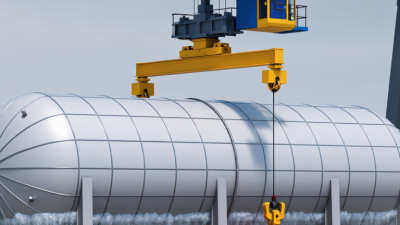
What Is an LNG Tank Hoist and How Does It Work?

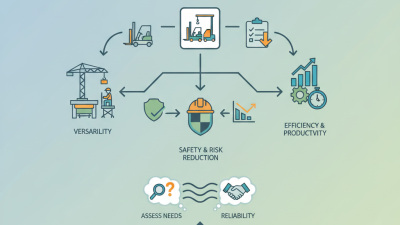
An LNG tank hoist is lifting equipment used during tank construction and maintenance to raise or lower items such as pumps, valves, and instruments. The chart shows a generic lift sequence; the step numbers indicate order, not duration or load capacity. Actual procedures depend on the tank design and the facility’s approved lift plan.

The Main Components of an LNG Tank Hoist

An LNG tank hoist lifts equipment such as pump assemblies, valves, or inspection tools near a storage tank. Its main components form a load path from the lifting point to the supporting structure. The hoist may sit on a fixed frame, runway, or service platform, depending on the facility layout.

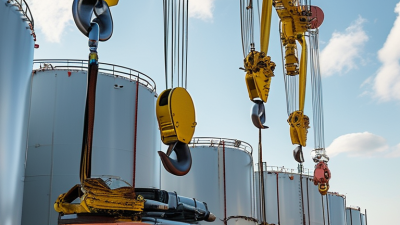
The motor supplies lifting power, while a gearbox controls speed and torque. A drum winds the wire rope; the rope carries a hook or purpose-designed lifting attachment. A brake holds the load when movement stops, and limit switches help prevent over-travel. The frame or trolley supports the hoist and positions the load. Controls let the operator raise, lower, and stop it. Some systems also include load monitoring. Details vary.

Tips: Check the rated capacity and inspect the rope, hook, brake, and controls before use. Confirm the lifting attachment suits the specific load. LNG sites can have demanding conditions, but not every hoist component contacts cryogenic liquid; equipment selection should reflect its actual location and exposure. Keep the load steady. A small alignment error can matter, and inspection records are easy to neglect when operations get busy.

What Is an LNG Tank Hoist and How Does It Work? – The Main Components of an LNG Tank Hoist

Component Main Function How It Works / Typical Details Relevant LNG-Service Consideration
Support structure and hoist mounting Transfers the lifted load into the tank platform, roof structure, or supporting steelwork. May include a beam, gantry, monorail, or fixed mounting. The structure and connections are designed for the hoist’s rated load and applicable dynamic forces. Structural capacity and attachment details must be verified for the specific tank and installation; a hoist rating alone does not establish system capacity.
Electric motor Provides the power to raise and lower the load. An electric motor drives the hoisting mechanism through a gearbox. Supply voltage and frequency depend on the site electrical system. Electrical equipment should be selected for its installation location and classified area, where applicable.
Gearbox and drive Reduces motor speed and increases output torque. Gears transmit motor power to the chain wheel or wire-rope drum, enabling controlled lifting at the required speed. Inspection and lubrication intervals should follow the equipment manufacturer’s instructions and site maintenance program.
Load brake Holds the suspended load when lifting stops or power is removed. A spring-applied, electrically released brake is common on powered hoists. It engages when the control circuit stops energizing the brake. Brake condition and holding performance require periodic inspection and testing under approved procedures.
Load chain or wire rope Connects the hoist to the load and carries the lifting force. Chain hoists lift through a load chain running over a pocket wheel; wire-rope hoists wind rope onto a drum. The selected type and capacity depend on the application. Inspect for wear, corrosion, deformation, damage, and correct reeving. Materials and operating limits must suit the actual temperature and environment.
Hook and safety latch Provides the connection point for a suitable lifting attachment or load. The hook is attached to the chain or rope assembly. A safety latch helps reduce the risk of a correctly seated sling or attachment slipping out. Check for cracks, deformation, wear, and free latch movement; use compatible, properly rated lifting accessories.
Trolley or travel mechanism Moves the hoist and suspended load along a beam when horizontal travel is required. A manual or powered trolley runs on the beam flange or rail. Fixed hoists do not require a trolley. Confirm beam compatibility, travel limits, and the intended load path before operation.
Controls and pendant Let an operator command lifting, lowering, and—where fitted—travel. Push-buttons send control signals to the motor and brake circuit. Controls commonly include an emergency-stop function. Controls should be clearly identified, accessible, and appropriate for the installation environment and operating procedure.
Upper and lower limit switches Help prevent travel beyond set lifting limits. Switches interrupt or control motion when the hook or lifting mechanism reaches configured end positions. Limits are protective devices, not substitutes for operator attention or correct operating procedures; test them as specified.
Overload protection Helps prevent lifting loads beyond the hoist’s rated capacity. Depending on the design, a load limiter or electronic system may restrict or stop lifting when an overload condition is detected. Do not use overload protection as a means of determining load weight or justifying lifts above the rated capacity.
How the hoist operates Raises, holds, lowers, and, if equipped, positions a load. The operator gives a command; the motor drives the gearbox and chain wheel or drum; the load moves through the chain or rope. Releasing the command stops motion, and the brake holds the load. Loads must be within the marked rated capacity, attached correctly, and moved under the site’s approved lifting and safety procedures.

Note: Component arrangements and ratings vary by hoist type and installation. LNG service conditions—including temperature, exposure, and hazardous-area classification—must be assessed for the specific application; this table is a general overview, not an equipment specification.

How the Hoist Lifts and Moves LNG Tanks

What Is an LNG Tank Hoist and How Does It Work?

How the Hoist Lifts and Moves LNG Tanks

An LNG tank hoist is a lifting system used to position a tank or tank module during fabrication, maintenance, or installation. It converts motor power into controlled vertical movement. A chain or wire rope connects the hoist to engineered lifting points, often through a spreader beam that helps distribute the load. A trolley can carry the suspended tank along a runway; a gantry may move it across a work area.

Slow movement matters. Operators monitor alignment, clearance, and load balance as the tank approaches its supports.

The hoist does not make every tank safe to lift. Large stationary storage tanks are built in place, while transportable vessels require a lift plan suited to their design and condition. Tanks must be prepared and verified for handling by qualified personnel.

GIIGNL’s Annual Report 2024 recorded 401.4 million tonnes of global LNG trade in 2023, reflecting the scale of equipment used across the supply chain.

That figure is not a hoist rating; each lift still depends on the tank’s documented weight and approved lifting points. A plan may look precise on paper. Sling angles and shifting centers of gravity still deserve a second look.

Safety Checks Before and During Hoisting

Before an LNG tank hoist, confirm the lift plan matches the tank’s actual weight, lifting points, center of gravity, and crane radius. Check certificates and inspect slings, shackles, hooks, and the hoist brake for wear or damage. Verify ground conditions, wind limits, communications, and a clear exclusion zone. Confirm the tank’s isolation and operating state; never assume it is empty. The U.S. Department of Energy notes that LNG expands about 600 times when it vaporizes, so cryogenic lines and trapped liquid need careful attention.

Use a competent lift supervisor to verify each check against the approved plan. NIOSH analysis of U.S. Census of Fatal Occupational Injuries data recorded 297 crane-related worker deaths from 2011 to 2017. That figure is a reminder: small deviations matter. During the lift, raise the load slightly and pause to check balance, rigging tension, and brake response before continuing. Watch the load indicator, wind, and clearances continuously. Keep people out from beneath the suspended tank, and stop if signals are lost or the load shifts. A checklist helps, but it cannot catch every snag; that part deserves a second look.

Care, Inspection, and Operating Limitations

An LNG tank hoist raises or positions a tank or its approved components using a rated lifting mechanism. Its exact purpose depends on the equipment design. In service, a motor or manual drive moves a chain, wire rope, or lifting attachment through a controlled path. The load must stay within the hoist’s marked capacity and approved lifting points. No improvising with the rigging.

Care matters in cold, damp areas. Before use, check the hook latch, chain or rope, brakes, controls, and visible connections. Look for cracks, flattened links, fraying, rust, or ice that could hide damage. A quick glance is not an inspection. Test the controls without a load when the procedure calls for it, and record defects for review. Follow the equipment’s service schedule and use only parts rated for the application. Cold can make unsuitable materials brittle.

Operating limits are not suggestions. Do not side-pull, shock-load, or lift people with a hoist intended for cargo. Keep workers clear of suspended loads, and stop if the load swings or the controls respond unpredictably. Never assume a standard hoist is suitable for cryogenic service; confirm its documented temperature range and compatibility. The exact checks can vary by model, and that detail is easy to overlook. When capacity, condition, or procedure is unclear, pause the lift and ask a qualified supervisor.