How to Choose the Right Cement Plants Lift for Your Needs?
When selecting the ideal Cement Plants Lift, various factors come into play. These lifts are essential for transporting materials efficiently within a cement plant. However, the choices can be overwhelming due to different models and specifications.
Consider the specific needs of your operation. Assess the capacity, lift height, and speed required for optimal workflow. Additionally, think about the maintenance needed for each lift type. Reliability is crucial, as downtime can be costly. Many plants overlook these elements, leading to inefficient operations.
Consult industry experts and review past installations. This can provide insights into which Cement Plants Lift systems have proven effective in similar environments. Understanding your unique requirements will make a significant difference in your selection process. Ultimately, making an informed choice could enhance productivity significantly.
Factors to Consider When Choosing a Cement Plant Lift
Choosing the right cement plant lift is crucial for efficiency and safety. Several factors come into play when making this decision. First, assess the specific needs of your operations. Consider the weight of the materials and the height requirements for lifting. Ensure the lift's capacity meets your demands.
Another important factor is the lift's operating environment. Indoor lifts may have different specifications than outdoor units. Think about how moisture or temperature can affect the lift's performance. Also, the frequency of use impacts your choice. A lift used constantly needs to be durable and reliable.
**Tips:** Always check the lift’s safety features. These can include emergency brakes and overload sensors. Look for models with easy maintenance access. Regular maintenance ensures the lift operates smoothly. Also, consider user training on lift operations and safety. Proper training is essential to prevent accidents. Investing time in the right lift pays off in the long run, enhancing productivity and safety.
Comparison of Cement Plant Lifts Based on Load Capacity
This chart compares various types of cement plant lifts based on their load capacity measured in tons. When selecting a lift for your cement plant, it's essential to consider the weight it needs to handle.
Types of Lifts Suitable for Cement Plants and Their Advantages
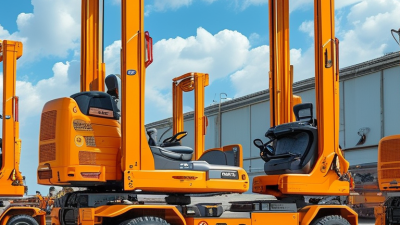
When considering lifts for cement plants, various types offer unique advantages. Forklifts are commonly used due to their maneuverability. They can easily navigate narrow aisles and tight spaces. This makes them ideal for transporting materials within the plant. However, they may struggle with heavier loads or uneven surfaces.
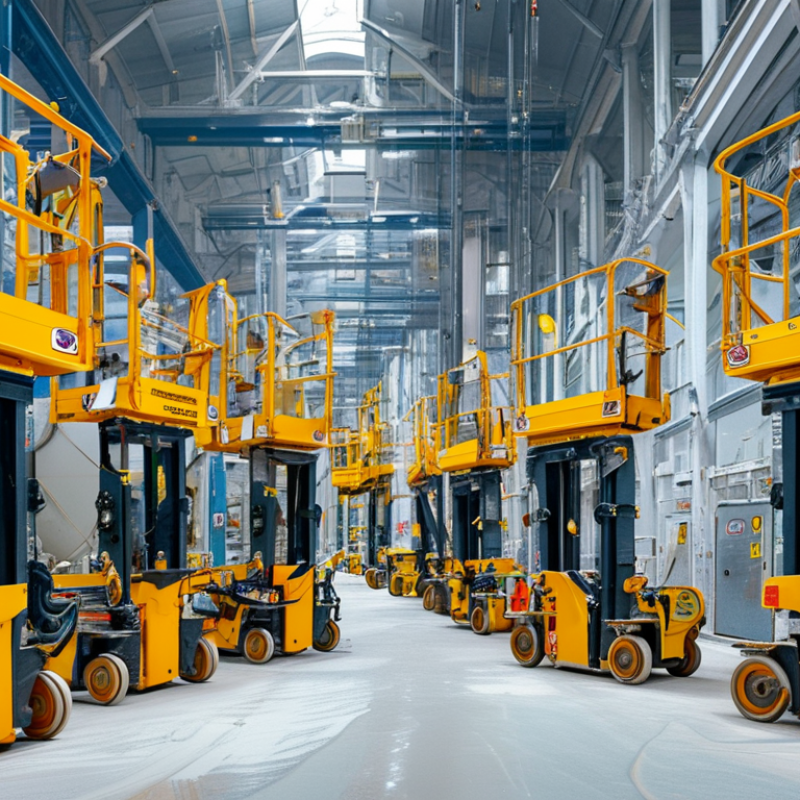
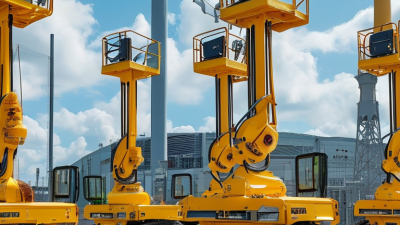
Another popular option is the scissor lift. This type provides stable elevation for tasks like maintenance and installation. It can handle substantial weight, making it suitable for heavy machinery. These lifts ensure workers can reach high areas safely. Yet, they're not as versatile in tight spaces as forklifts.
If you're looking for a more permanent solution, conveyor lifts can be beneficial. They streamline the process of moving materials, reducing labor costs. They're efficient for continuous operations but can be expensive to install and maintain. Assess your plant's layout and needs carefully. The right lift can enhance productivity but requires thoughtful consideration of your specific operational challenges.
How to Choose the Right Cement Plants Lift for Your Needs?
| Lift Type |
Load Capacity (kg) |
Lift Height (m) |
Advantages |
| Scissor Lift |
3500 |
8 |
Stable platform, versatile usage. |
| Forklift Lift |
4500 |
6 |
High mobility and ready for heavy loads. |
| Personal Lift |
250 |
12 |
Compact design, ideal for tight spaces. |
| Boom Lift |
2000 |
16 |
Excellent height reach, flexible movement. |
Evaluating Load Capacity Requirements for Cement Lifts
When selecting a cement lift, load capacity is a critical element. Cement plants often require lifts that can handle heavy loads without compromising safety. According to industry standards, a cement lift should typically support weight ranges exceeding 2,000 kg, depending on the specific operational requirements. This amount often includes both the lift mechanism and the carried materials, such as cement bags or bulk mixtures.
Evaluating the required load capacity involves analyzing workflow and production demands. For instance, a facility processing over 300 metric tons of cement daily may need a lift with a higher load capacity. Failure to accurately assess these needs can lead to inefficiencies and potential risks. Research indicates that over 30% of cement plant operators reported challenges related to insufficient lift capacity. These issues can create bottlenecks and increase operational costs.
It’s essential to consider the specific demands of your cement plant. Factors such as frequency of lift use, maximum weight per load, and the types of materials being handled significantly influence your choice. Discussing load requirements with engineering professionals or consulting relevant technical specifications can help clarify necessary capacity. An informed decision based on precise evaluation can enhance productivity while ensuring safety within the plant.
Assessing Safety Features and Compliance Standards for Lifts
When selecting lifts for cement plants, safety features are paramount. Lifts must adhere to strict industry standards. These standards include compliance with regulations set by organizations like OSHA and ANSI. Safety features should include emergency stop buttons and overload protection systems. According to a recent industry report, 30% of lift accidents are due to equipment failure. This statistic underscores the importance of reliable safety mechanisms.
Inspection protocols are another critical aspect. Lifts should undergo regular maintenance checks. Compliance with safety regulations helps prevent workplace injuries and enhances operational efficiency. For instance, data reveals that facilities implementing routine safety inspections saw a 25% reduction in accidents. This statistic highlights the connection between proper maintenance and safety.
Lifts also should be designed for the specific needs of cement plants. They must handle heavy loads and operate in challenging environments. This requirement often leads to overlooked aspects, such as proper training for operators. Operators should fully understand the lift’s features and limitations. Continuous education can prevent miscommunication and misuse of lifts, reinforcing a culture of safety in the workplace.
Cost Analysis and Budgeting for Cement Plant Lift Selection
Choosing the right lift for cement plants involves careful consideration of budget constraints and operational needs. According to a report from the International Cement Review, installation costs for plant lifts can range significantly. Basic systems may start around $50,000, while advanced configurations can exceed $250,000. This price range highlights the importance of a well-structured cost analysis.
Moreover, budgeting should consider not only initial costs but also long-term operational expenses. Maintenance, energy consumption, and potential downtime are critical factors. For example, a poorly maintained lift can lead to increased operational costs; studies indicate that maintenance neglect can inflate expenses by up to 30%. Analyzing these factors in the decision-making process increases reliability.
Additionally, seek insights from industry experts when evaluating specifications. Mechanical and load capacity needs must align with production goals. The Cement Plant Services Global Report underlines that predictive maintenance strategies can save up to 20% in operating costs. Addressing potential durability issues upfront can lead to better budget management over the machinery’s lifetime.




 Ms.Lily International Sales Director
 Join 3S Group