
Leave Your Message
A Petrochemicals Elevator is not simply a standard lift placed inside a processing plant. It must suit the site’s operating conditions, traffic demands, and documented hazard assessment. Depending on the location, engineers may need to consider corrosive atmospheres, dust, temperature changes, and restricted maintenance access. The right specification comes from the actual environment, not a product label. Small details matter: door seals, electrical components, corrosion-resistant finishes, and clear inspection access can shape long-term reliability.
Elevator safety consultant John Koshak’s work emphasizes a practical principle: safe operation depends on sound design, inspection, and maintenance. That perspective is useful when assessing industrial elevators, though each facility still needs a site-specific engineering review. A suitable system can support dependable movement of workers and materials between levels, while reducing avoidable downtime. It cannot remove every operational risk. Nor should a brochure promise that it can. Buyers should ask how the proposed equipment handles the site’s conditions, how failures are detected, and whether trained technicians can service it. Those questions may feel less exciting than capacity or speed. They are often more revealing. This introduction explores why Petrochemicals Elevator systems are considered for demanding industrial use, and where careful evaluation remains essential.
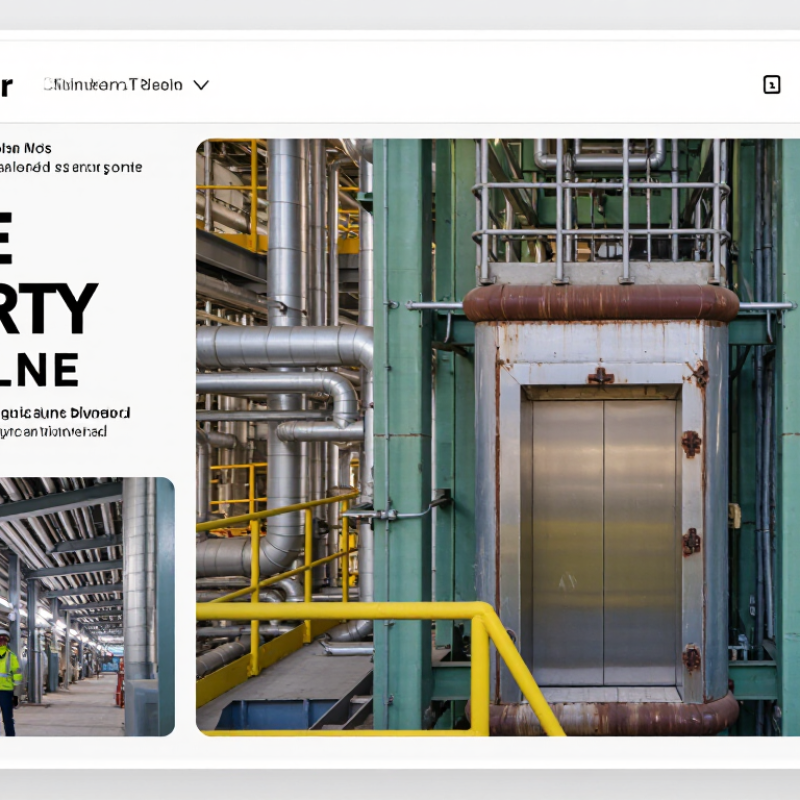
A petrochemical elevator is an industrial lift designed for the demanding conditions found in refineries, chemical plants, and processing facilities. It moves people, tools, or materials between levels while accounting for heat, dust, vibration, and possible exposure to corrosive substances. It is not simply a standard elevator placed inside a plant.
Its defining features depend on the site. Components may use corrosion-resistant finishes, sealed enclosures, and electrical equipment selected for the area’s hazard classification. Doors, interlocks, overload protection, emergency communication, and controlled stopping help support safe operation. The exact specifications should follow a qualified engineering assessment, not a generic checklist. Small details matter: a door seal exposed to chemical vapour may need different attention from one in a clean warehouse.
A petrochemical elevator must also fit the facility’s workflow. A service lift carrying maintenance equipment may need different capacity and access arrangements from a personnel lift. Operators should be able to inspect controls and identify faults without guesswork. Maintenance access is easy to underestimate; cramped equipment spaces can slow routine checks. Even a carefully specified elevator needs regular inspection, because operating conditions change and wear is not always visible from the cabin.
| Design dimension | What defines it | Industrial relevance and verification |
|---|---|---|
| Hazardous-area suitability | Equipment selection depends on the hazardous-area classification, including the zone, gas group, and temperature class where applicable. | Have the site classification established by qualified personnel. Specify electrical and instrumentation equipment for the actual location; an elevator is not automatically suitable for every classified area. |
| Electrical equipment protection | Protection concepts and installation requirements are selected for the classified area and equipment type. | IEC 60079-10-1 addresses classification of areas with explosive gas atmospheres, while IEC 60079-14 covers electrical installations in those areas. Confirm the applicable local regulations and project specifications. |
| Capacity and car dimensions | Rated load, car size, door opening, and travel are determined from the people, tools, and materials the lift must carry. | Base the design on measured traffic and handling needs. There is no single capacity or car size that defines all petrochemical elevators. |
| Duty and operating profile | Expected trips, traffic peaks, operating hours, and loading patterns inform the drive, controls, and component selection. | Specify the duty using the facility’s operating data. High-use service areas may need different equipment and maintenance planning from occasional-access locations. |
| Corrosion resistance | Materials, coatings, fasteners, and electrical enclosures are chosen for the site’s chemicals, humidity, washdown, and atmospheric exposure. | Assess the actual exposure conditions. Material and coating selection should be based on chemical compatibility and the required maintenance life, not on a generic “petrochemical” label. |
| Ingress protection | Enclosure protection is specified according to exposure to dust, water, and cleaning methods. | Choose an appropriate IP rating for each component and location. An IP rating describes protection against ingress; it does not by itself certify equipment for an explosive atmosphere. |
| Fire and emergency provisions | Emergency communication, recall behavior, backup arrangements, and fire-related operation depend on the building and applicable code. | Coordinate the elevator design with the facility’s emergency plan and local requirements. Do not assume an industrial or petrochemical elevator is automatically a fire-service elevator. |
| Standards and conformity | Applicable elevator safety standards and regulatory approvals depend on the installation location and elevator type. | EN 81-20 and EN 81-50 are examples of European standards covering passenger and goods-passenger lift safety and testing. Confirm the current editions and local code requirements for the project. |
| Inspection and maintenance access | Safe access to machinery, controls, and service points is incorporated into the layout and maintenance plan. | Plan inspection intervals, isolation procedures, spare parts, and competent maintenance support around the facility’s operating and safety requirements. |
Note: Requirements are site-specific. Final elevator and component specifications should be confirmed by qualified design professionals against the facility’s hazard assessment, applicable codes, and operating conditions.



 Ms.Lily International Sales Director
 Join 3S Group