China Best Scaffolding Hoist Options for Safe and Efficient Construction?
When it comes to safe and efficient construction, choosing the right Scaffolding Hoist is crucial. Industry expert John Miller, a leading specialist in construction safety, emphasizes, "The right hoist can make all the difference in productivity and safety." With an increasing focus on safety standards, the Scaffolding Hoist market in China offers various options that meet diverse needs.
Understanding the different types available is essential for every construction manager. Quality hoists can dramatically improve workflow, allowing teams to operate efficiently. Yet, not every option is suitable. Some hoists may seem attractive but fail in heavy-duty scenarios. Recognizing these nuances is vital for the success of any project.
Additionally, the fast-evolving technology in Scaffolding Hoists brings both opportunities and challenges. New features enhance safety and usability, but they can also complicate user choices. Continuous evaluation of product performance and safety standards is necessary. Failing to do so can lead to mistakes that compromise project integrity. Making informed decisions involves balancing cost, efficiency, and safety.
Overview of Scaffolding Hoists in China
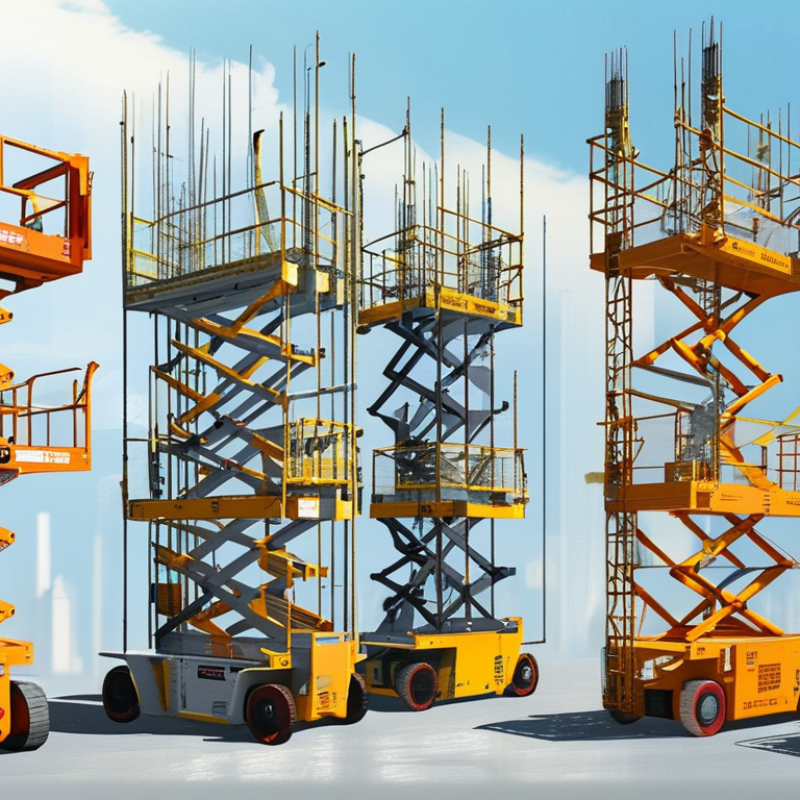
Scaffolding hoists play a crucial role in the construction industry in China. They enable workers to safely transport materials and tools to various heights. This efficiency can significantly reduce construction time. Many construction projects now rely on these hoists to enhance productivity. However, not all options available on the market meet safety and quality standards.
In China, there are various types of scaffolding hoists. Each design varies in capacity, speed, and power source. It's essential to choose the right type based on project needs. Some hoists are electric, while others may rely on hydraulic systems. Yet, the choice may also depend on specific site requirements, such as space limitations and load capacity. Users often express confusion about which hoist best suits their projects, reflecting a gap in knowledge that could lead to poor decisions.
While there are numerous manufacturers claiming to produce high-quality hoists, some may not deliver on safety. Construction companies must prioritize reliable options to avoid accidents. Issues can arise from inadequate maintenance or improper installation. Reflecting on these aspects can help improve overall safety protocols. Awareness and education about selecting and using scaffolding hoists are vital for anyone involved in construction activities.
China Best Scaffolding Hoist Options for Safe and Efficient Construction
| Model |
Max Load Capacity (kg) |
Lift Speed (m/min) |
Power (kw) |
Safety Features |
| Model A |
1000 |
30 |
4 |
Dual safety brakes, overload protection |
| Model B |
1500 |
36 |
5.5 |
Emergency stop button, anti-fall device |
| Model C |
2000 |
40 |
7.5 |
Shock absorber, safety rope |
| Model D |
2500 |
45 |
11 |
Automatic leveling, sensor alerts |
Key Features to Consider When Choosing a Scaffolding Hoist
Choosing the right scaffolding hoist is critical for construction safety and efficiency. When selecting a hoist, consider its load capacity. Ensure it suits your project’s specific needs. A hoist with too low a capacity can lead to unsafe situations. Material quality also matters. Choose durable materials that can withstand harsh weather and heavy use over time.
Another key feature is the ease of use. Look for hoists with intuitive controls. Complicated mechanisms can lead to misuse and accidents. Regular maintenance checks are vital to ensure optimal performance. Always have a clear understanding of the user's manual.
**Tips:**
Evaluate the hoist’s speed. A faster hoist can increase productivity but may require more training. Safety features are non-negotiable. Emergency stops and overload indicators are essential for safe operation.
Don’t overlook portability. If you need to move the hoist frequently, ensure it’s lightweight and easy to transport. Even small design flaws can lead to significant issues. Take time to reflect on every aspect. Always prioritize safety over efficiency to prevent mishaps.
Top Brands and Models of Scaffolding Hoists in China
When it comes to scaffolding hoists in China, several top models stand out. These devices play a crucial role in construction safety and efficiency. Recent industry reports show that scaffolding hoists can increase productivity by up to 30%. This significant boost is attributed to their ability to easily transport materials and workers to varying heights.
One commonly noted type is the rack and pinion hoist. This model is favored for its reliability and load capacity. Reports indicate that these hoists can handle weights exceeding 1,000 kg. However, users must consider installation complexities and the need for regular maintenance. Neglecting these aspects can lead to safety risks.
Another popular model is the electric hoist. Electric hoists have gained popularity due to their automation features, improving efficiency further. However, they require a stable power supply. In some construction sites, this can be a challenge. Safety regulations must be strictly followed, as improper use can lead to accidents. Evaluating these elements is essential for choosing the right scaffolding hoist.
Safety Regulations and Standards for Scaffolding Hoists
When it comes to scaffolding hoists, safety should always be a top priority. Scaffolding hoists must comply with stringent safety regulations and standards. This ensures the protection of workers and minimizes accident risks on construction sites.
Proper installation is critical. Hoists should be installed by certified professionals to meet industry requirements.
Regular inspections are necessary to maintain safety. Operators need training in these regulations. They should know how to operate hoists safely and recognize potential hazards. Maintaining equipment is also vital. Any sign of wear or damage should prompt immediate repairs or replacement. These practices help to ensure a safe working environment.
Beyond compliance, continuous education on safety standards is crucial. Workers must stay informed about any updates to regulations. An effective safety culture in construction requires shared responsibility. Everyone on site must prioritize safety and communicate regularly. This could prevent accidents and enhance efficiency.
Looking back, ongoing reflection on safety practices is necessary for improvement.
Best Practices for Using Scaffolding Hoists on Construction Sites
When using scaffolding hoists on construction sites, safety and efficiency are paramount. A study from the Occupational Safety and Health Administration (OSHA) reveals that improper use of scaffolding contributes to more than 4,500 injuries annually. Therefore, following best practices is essential to minimize risks.
Before operating a scaffolding hoist, conduct a thorough inspection. Check the foundation's stability and ensure that it can support the load. Operators should be trained and familiar with weight limitations, as overloading can lead to accidents. It may be easy to underestimate the importance of regular inspections, but neglect can result in serious consequences. Always consult the manufacturer's guidelines for specifics.
Tips: Always wear appropriate personal protective equipment (PPE) during operation. Communicate effectively with your team to avoid accidents. Set clear signals before lifting materials. This helps to ensure that everyone understands their roles and responsibilities.
Furthermore, consider seasonal conditions. High winds can significantly affect hoist stability. Plan for weather-related challenges to keep operations running smoothly. Learning from past mistakes can lead to better safety practices.
Adopting these best practices can enhance both safety and efficiency on job sites. It is crucial to foster a culture of safety and continuous improvement within the construction industry. Keeping an open dialogue about equipment use can empower teams to operate safely.
China Best Scaffolding Hoist Options for Safe and Efficient Construction




 Ms.Lily International Sales Director
 Join 3S Group