How to Choose the Best Warehousing and Logistics Elevator?
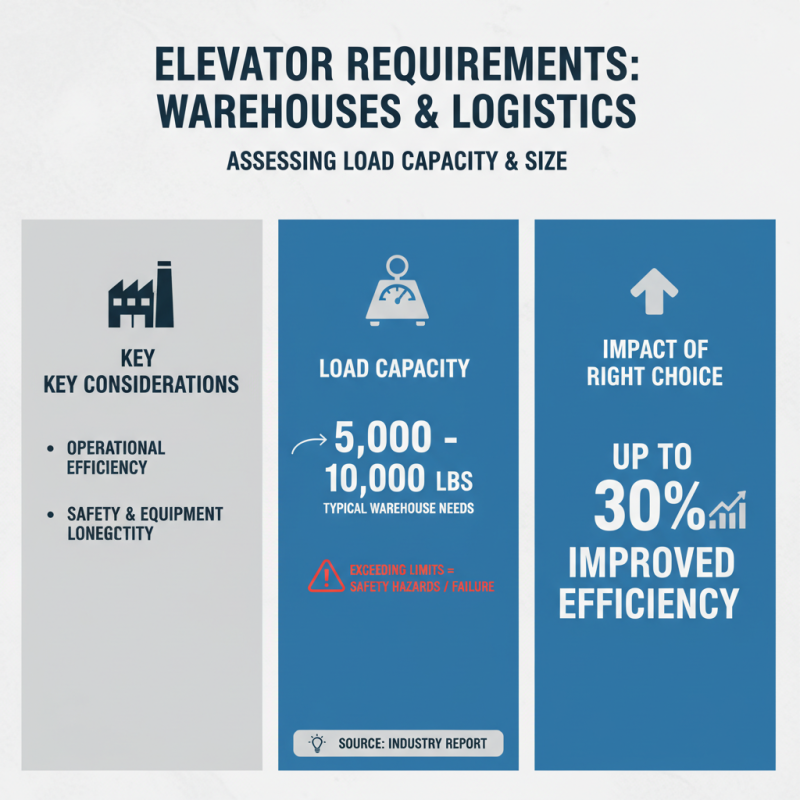
In the fast-paced world of logistics, finding the right "Warehousing and Logistics Elevator" is crucial. Research shows that efficient vertical transportation can improve operational efficiency by up to 30%. This statistic emphasizes the importance of selecting the right equipment that meets specific needs.
Several factors influence the choice of a warehousing elevator. Capacity, speed, and safety features need careful consideration. Industry reports reveal that over 20% of logistics failures stem from inadequate equipment. Such data highlights the risks involved in overlooking this decision.
Investing in a quality elevator goes beyond mere functionality. It impacts workflow, employee safety, and overall productivity. However, not all options are perfect. Each warehouse has unique challenges that require tailored solutions. Understanding these nuances can lead to improved performance and reduced operational costs. Consequently, decision-makers must weigh their choices thoughtfully.
Factors to Consider When Selecting a Warehousing Elevator
Selecting the right warehousing elevator requires careful consideration of several factors.
One of the most crucial aspects is load capacity. According to a 2022 market report,
over 35% of warehousing facilities experienced issues with elevators that could not accommodate their maximum load.
An elevator should be capable of handling the heaviest items without strain. This prevents equipment failure and enhances safety.
Another important factor is the elevator's speed. A study by the Warehousing Association found
that faster elevators can increase operational efficiency by up to 20%. This is especially vital
in high-demand environments. However, higher speeds may necessitate advanced safety mechanisms. Not all facilities may need
high-speed options, which could lead to unused features.
Flooring design is also essential. Many warehouses use different flooring materials, which can affect elevator operation.
Research shows that mismatched floor levels can result in accidents. Ensuring smooth transitions between floors is fundamental.
This aspect often gets overlooked, leading to reflections on efficiency and safety. Evaluating these factors can lead to
better purchasing decisions, avoiding common pitfalls in warehouse logistics.
Types of Elevators Suitable for Logistics Operations
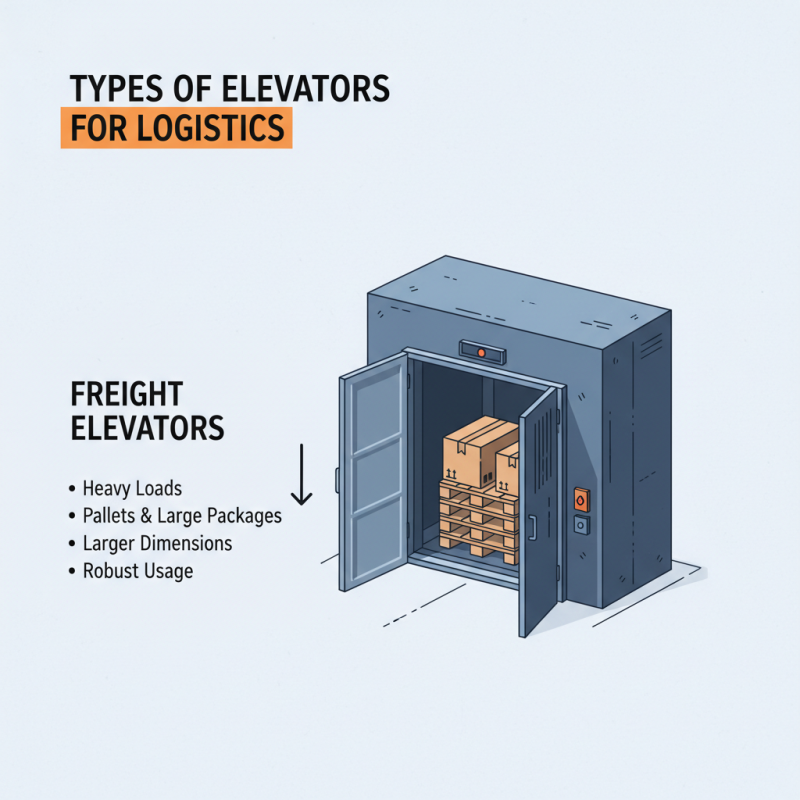
When selecting elevators for logistics operations, it’s essential to consider the types of elevators available. Different elevators serve unique purposes. You may find freight elevators, which are designed for heavy loads. These can handle pallets and large packages with ease. They usually have larger dimensions and can withstand robust usage.
Another option is service elevators. These are often used for smaller loads. They can facilitate the movement of staff and lighter goods. These elevators tend to have quicker access points, making them ideal for busy environments. In a logistics setting, time is crucial. Efficient access can reduce wait times and streamline operations.
Additionally, consider hydraulic lifts. They are versatile and great for transporting goods between different levels. However, improper maintenance can lead to issues. It’s important to invest in regular checks to ensure they operate smoothly. Each type of elevator has its pros and cons. Understanding these can help refine your logistics processes effectively.
Assessing Load Capacity and Size Requirements for Elevators
When assessing load capacity and size requirements for warehouses and logistics elevators, understanding the specific needs of your operation is crucial. According to a recent industry report, choosing the right elevator can improve operational efficiency by up to 30%. Load capacity is often the primary factor. Typically, warehouses require elevators that can handle between 5,000 to 10,000 pounds. Exceeding this limit can lead to safety hazards or equipment failure.
Size is another critical factor. Elevators must fit seamlessly into existing layouts. Consider the height and width of the materials being transported. For example, an elevator designed for pallets must have a platform size of at least 48 by 48 inches, accommodating standard pallet sizes. Additionally, think about accessibility. Elevators need sufficient space for machinery and personnel to operate safely.
Neglecting these aspects can result in operational bottlenecks. A poorly sized elevator can lead to frequent breakdowns or slow movement of goods, increasing costs. Conduct a thorough analysis of your warehouse's layout and cargo types. Using accurate measurements and considering future growth can enhance both reliability and efficiency in the long term. Remember, the wrong choice could impede your productivity.
Evaluating Safety Features in Warehousing Elevators
When selecting a warehousing and logistics elevator, safety features are paramount. Start by assessing the load capacity. Each elevator has a specific weight limit. Exceeding this can lead to dangerous situations. Ensure the elevator suits your operational needs.
Another crucial aspect is emergency stop buttons. These should be easily accessible. In any unexpected situation, operators must react swiftly. Look for elevators equipped with robust alarm systems. These features can alert personnel to any malfunctions.
Visibility within the elevator is important too. Clear panels can help operators see obstacles. This reduces the risk of accidents during loading and unloading. Also, consider backup power systems. In case of a power failure, these systems ensure operations can continue safely.
Tip: Always inspect safety certifications. They are indicators of reliability.
Tip: Consult with professionals. Their insights can guide your decision-making.
Tip: Regular training for staff on safety procedures is vital. It lowers the chance of mistakes.
The Importance of Maintenance and Support for Elevator Systems
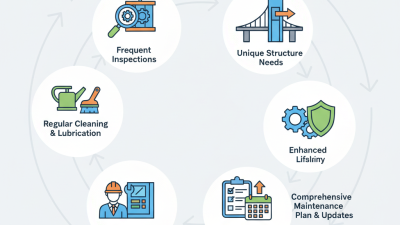
Elevator systems in warehousing and logistics are essential for efficient operations. Proper maintenance and support can't be overlooked. According to the Occupational Safety and Health Administration (OSHA), nearly 21% of workplace injuries occur in warehousing environments. This highlights the critical need for reliable elevator systems. Regular maintenance can mitigate risks and prolong the lifespan of these systems.
A well-maintained elevator can reduce downtime and improve productivity. The Building Owners and Managers Association (BOMA) reports that maintenance costs can account for up to 20% of a building's operating budget. This emphasizes the importance of planned maintenance schedules. Warehouse managers should invest in professional support for inspections and repairs.
Choosing a service provider who is experienced and knowledgeable can make a significant difference. Many facilities overlook the importance of support after installation. However, having a reliable partner can ensure quicker response times and better service quality. A good maintenance plan is not just about fixing problems; it's about preventing them.
Elevator Performance Metrics for Warehousing and Logistics
This chart illustrates key performance metrics for two different elevator systems commonly used in warehousing and logistics. It showcases load capacity, travel speed, energy consumption, downtime, and maintenance costs, highlighting the importance of selecting the right system based on operational needs.






 Ms.Lily International Sales Director
 Join 3S Group