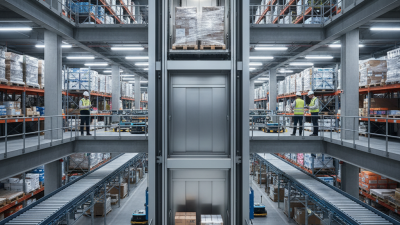
In today's fast-paced supply chain environment, efficiency is key. The integration of Warehousing and Logistics Elevators plays a vital role in enhancing operational performance. These systems enable smooth vertical transportation of materials. They help reduce labor costs and improve safety in warehouses. Furthermore, efficiency in logistics operations can be significantly boosted with the right elevator technology.
For example, a well-placed Warehousing and Logistics Elevator can minimize the time spent moving items, allowing workers to focus on essential tasks. Inventory management becomes seamless, as goods can be accessed quickly. However, not every warehouse benefits equally from these systems. Factors like layout and load capacity must be considered.
Investing in a Warehousing and Logistics Elevator can be transformative. Companies must weigh the costs and benefits carefully. A systematic approach could yield significant gains in efficiency and productivity. Overall, the potential of these elevators is considerable, but challenges remain. Making informed decisions on their use is crucial for success.
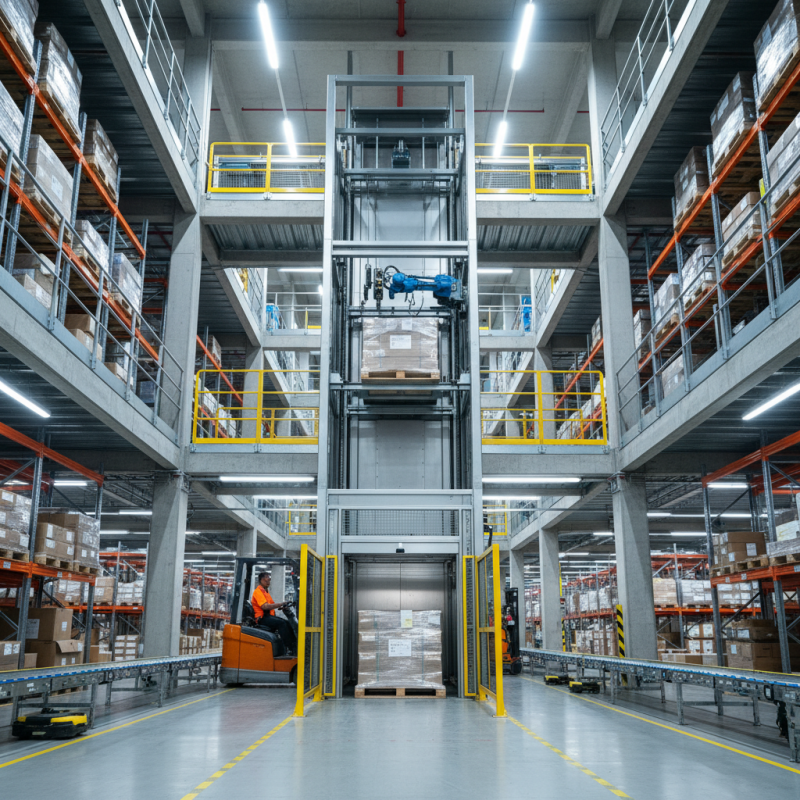
In the fast-paced world of logistics, efficiency is crucial. Warehousing elevators play a vital role in streamlining operations. They facilitate the movement of goods between different levels. This reduces time spent on manual transport. With faster access to products, companies can respond swiftly to customer demands.
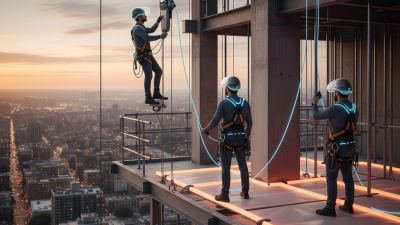
Using elevators enhances safety. They minimize the risk of injuries from heavy lifting. Properly designed elevators ensure compliance with safety standards. This fosters a culture of well-being in the workplace. Employees feel more secure, which can boost morale and productivity.
However, not all systems are perfect. Some warehouses struggle with maintenance issues. Regular inspections are necessary to ensure optimal performance. Ignoring this can lead to downtime, disrupting logistics flows. Understanding these challenges allows managers to make informed decisions about upgrades. Balancing costs with the benefits is a common struggle in the industry.
| Benefit | Description | Impact on Operations |
|---|---|---|
| Increased Efficiency | Elevators streamline the movement of goods, reducing the time spent transporting items. | Higher throughput and faster order fulfillment. |
| Space Optimization | Allows for vertical storage solutions, maximizing the use of available warehouse space. | Better inventory management and storage capabilities. |
| Safety Improvements | Reduces manual lifting and the risk of injuries associated with heavy loads. | Lower worker compensation claims and enhanced employee well-being. |
| Cost Reduction | Minimizes labor costs by automating the lifting process. | Increased profitability through operational cost savings. |
| Enhanced Reliability | Provides consistent performance for moving goods throughout the warehouse. | Reliable operations increase customer satisfaction. |
| Improved Logistics Coordination | Facilitates better scheduling of incoming and outgoing goods. | Streamlined supply chain operations with fewer delays. |
| Flexibility in Operations | Adaptable to various types of goods and changing operational needs. | Supports diverse warehousing functions and growth. |
| Sustainability Benefits | Reduces energy consumption and promotes eco-friendly practices through efficient design. | Enhances company reputation and complies with environmental regulations. |
| Technological Integration | Can be easily integrated with warehouse management systems and automation technologies. | Improves inventory tracking and overall operational transparency. |
| Scalability | Easily upgradeable to meet increasing operational demands. | Supports business growth and adapts to market changes. |
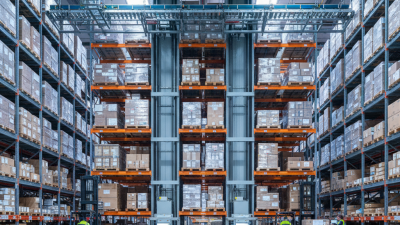
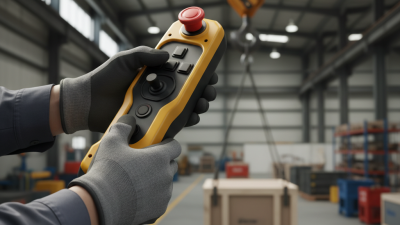
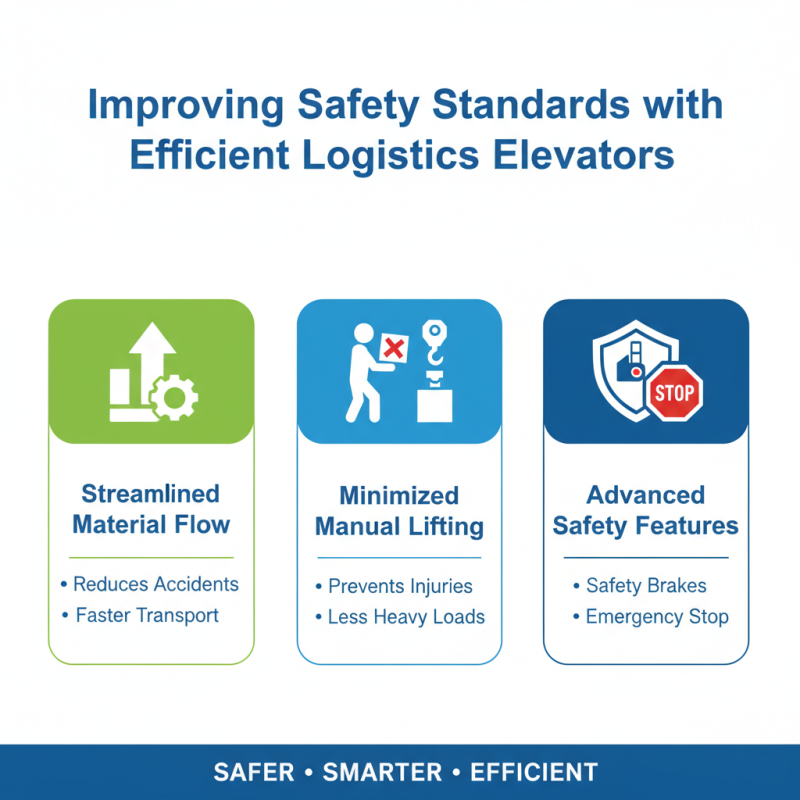
Efficient logistics elevators play a significant role in enhancing safety standards. They streamline the flow of materials and reduce the risk of accidents. By minimizing manual lifting, these systems help prevent injuries related to heavy loads. Properly designed elevators also offer features like safety brakes and emergency stop buttons, crucial for secure operations.
A key point to consider is regular maintenance. Elevators require consistent check-ups to function optimally. Inspections can identify potential hazards before they result in accidents. Staff should be trained to operate these systems safely, reinforcing a culture of safety. This awareness improves overall workplace conditions.
Tips for improving safety include ensuring clear access around elevator doors. Keeping this area free of obstructions can prevent accidents. Additionally, always follow weight limits specified for the elevators. Adhering to these guidelines protects both workers and equipment. Training employees on proper usage further enhances safety, making everyone aware of best practices.
In modern warehouses, optimizing space is crucial for efficiency. Logistics elevators play a significant role in this aspect. They enable the easy movement of goods between levels, reducing unnecessary floor space. By creating vertical storage solutions, facilities can accommodate more products without expanding the physical footprint. This is key in areas where real estate is expensive.
Tips: Evaluate the vertical storage capacity before purchasing an elevator. A well-positioned elevator can minimize travel time and improve workflow. Consider integrating automated systems to reduce manual handling and cut down on labor costs.
The challenge lies in ensuring that the elevator system fits seamlessly into existing operations. While it can enhance productivity, improper installation may lead to workflow disruptions. Always consult experienced professionals to assess your unique space requirements. A tailored approach will maximize benefits and minimize pitfalls in operations.
In today's fast-paced warehousing and logistics landscape, operational efficiency is paramount. Elevators specifically designed for these settings can significantly boost productivity. They streamline the movement of materials, allowing for quicker pick and pack processes. With seamless transitions between floors, workers can focus on their tasks, minimizing wasted time. Every second matters in logistics, where speed is often tied to profitability.
Downtime can be a major hurdle in material handling. Faulty or slow-moving equipment leads to delays that can frustrate staff and impact delivery schedules. Elevators can reduce these inefficiencies. Properly maintained, they can provide a steady flow of goods between levels. However, neglecting regular inspections can pose risks, leading to unexpected breakdowns. A proactive maintenance plan is necessary to keep operations running smoothly.
Training employees on equipment use adds another layer of efficiency. Workers should know safety protocols and operational procedures. This reduces errors and aligns everyone with best practices. Yet, even the best systems may still face challenges. Frequent reviews of workflow and equipment performance are essential to identify areas for improvement. This ongoing evaluation fosters an adaptive environment, encouraging continuous enhancement of operations.
Investing in modern logistics elevators can significantly enhance a warehouse's operational efficiency. These elevators streamline the movement of goods between various levels, reducing the time spent in transit. Furthermore, they minimize the risk of damage during transport, which often occurs with manual handling. A well-designed elevator system offers smooth transitions, promoting safety and productivity.
Cost-effectiveness is a primary consideration for businesses. While the initial investment in modern logistics elevators may seem high, the long-term savings can be substantial. Reduced labor costs, improved storage capabilities, and lowered equipment damage contribute to overall savings. Enhanced efficiency translates to quicker turnaround times and better service, attracting more customers. Businesses can struggle to admit upfront costs may seem daunting, but the overall benefits often outweigh the risks.
Many operators overlook the potential of integrating elevators into their logistics systems. This gap can lead to missed opportunities for optimization. Keeping facilities updated with modern technology fosters innovation and keeps the business competitive. It's essential to reflect on current systems and consider how improvements can reduce operating costs while enhancing overall functionality. By evaluating the cost-effectiveness of new logistics elevators, businesses can position themselves for future growth.