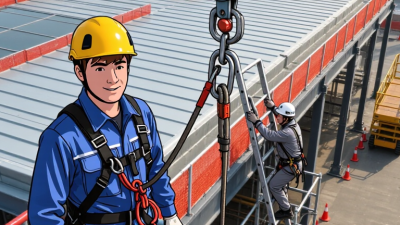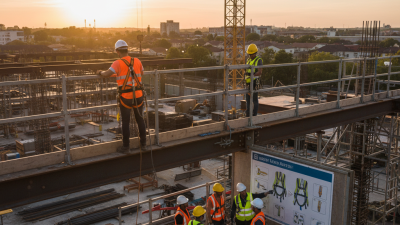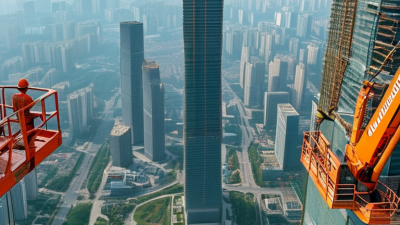
Choosing Aerial Work Fall Protection Equipment begins with the task, not the catalog. A worker leaning from a mobile elevated platform faces different hazards from someone transferring between structures. Height matters, but so do platform movement, edge exposure, anchor location, clearance below, and the rescue plan. Small details count: a lanyard that catches on a rail can change how a worker moves.
The U.S. Bureau of Labor Statistics reported 865 fatal work injuries from falls, slips, and trips in 2022. That figure covers all industries and is not specific to aerial work, but it shows why equipment choices deserve careful review. OSHA guidance and applicable ANSI/ASSP standards can help employers assess hazards and select compatible equipment. Requirements vary by task and jurisdiction. Verify current rules and manufacturer instructions before use.
Construction safety researcher John Gambatese of Oregon State University studies prevention through design. A useful paraphrase of his research-based message is: control exposure at the source before relying on personal protective equipment. That principle can shape a sound selection process. Check the platform’s approved anchor points, harness fit, connector compatibility, fall clearance, and worker training. Then confirm that a prompt rescue is practical. A harness alone is not a complete plan. Even careful reviews can miss awkward movements or changing site conditions; reassess when the work changes. The right system should protect workers without restricting safe access or encouraging risky improvisation.
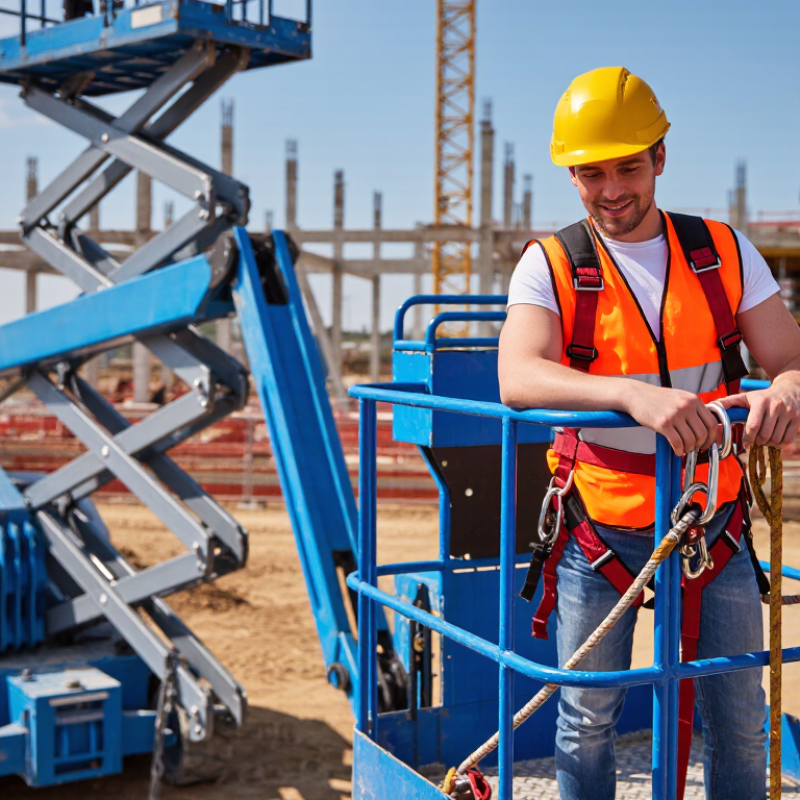
Before choosing fall protection, map the actual work area. A lift beside a loading dock faces different hazards from one on compacted ground. Check for soft soil, floor openings, slopes, vehicle routes, overhead structures, and energized lines. Measure clearances where the platform will rise, not just where it is parked. Small details matter.
The Bureau of Labor Statistics reported 395 fatal falls, slips, and trips among construction workers in 2022, within 1,069 total construction deaths. This makes exposure assessment more than paperwork. Record platform height, task duration, reach, tool weight, and how often workers must lean or reposition. Wind, rain, poor lighting, and nearby moving equipment can change the risk during a shift. A calm morning is not a reliable forecast for the afternoon.
Match the protection system to the lift type, task, and equipment instructions. Confirm approved anchor points, compatible connectors, rescue access, and worker training before work begins. Do not assume every platform uses the same tie-off method. A site walk can still miss a changing hazard; revisit the assessment when the ground, weather, or work sequence changes. The plan should reflect what workers will actually do, including awkward reaches that a neat drawing may not show.
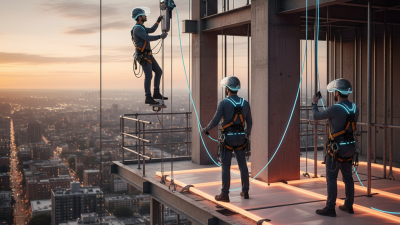
How to Choose Aerial Work Fall Protection Equipment
Identify Applicable Safety Standards and Equipment Requirements
Start with the lift type, task, and rules adopted at your worksite. In US construction, OSHA 29 CFR 1926.453(b)(2)(v) requires a body belt and lanyard attached to the boom or basket when working from an aerial lift. A body belt is not a fall-arrest harness. Check the lift manual and applicable ANSI/SAIA A92 standards, including A92.22 for safe use and A92.24 for training. Requirements can vary by equipment and jurisdiction. Don’t assume one setup fits every lift.
Match the system to the hazard. For a boom lift, a compatible full-body harness and short restraint lanyard can help keep the worker inside the platform, when permitted by applicable rules and the manufacturer. Use only designated anchor points. Inspect webbing, stitching, connectors, and labels before each shift; remove damaged gear from service. BLS’s 2023 Census of Fatal Occupational Injuries recorded 421 construction deaths involving falls, slips, or trips. That number is sobering. A carefully selected harness cannot fix a poor anchor point or missing rescue plan.
Tips: Confirm the anchor point in the manual. Check fit with winter layers on. Recheck after changing equipment; this step is easy to rush.
When choosing aerial work fall protection, match every component as a system. A full-body harness, connector, and anchor must work together under the equipment instructions. A connector that clips on is not automatically compatible. Check connector shape, gate strength, and whether the attachment point can cause side loading or accidental release. Small details matter.
For fall arrest, confirm the energy-absorbing lanyard or self-retracting device is approved for the intended anchor and work conditions. Measure clearance below the platform, including worker height, connector length, deceleration distance, and safety margin. Also consider swing falls and sharp edges. A setup that looks tidy on the ground may create a hazard when the worker leans beyond the platform. Clearance is easy to overlook.
Restraint equipment should prevent the worker from reaching an edge; it is not a substitute for fall arrest when a fall remains possible. Adjust the line so the worker cannot step into the fall zone, and verify the anchor location before work begins. Check labels, inspection records, and the manufacturer’s compatibility guidance. If parts come from different systems, ask a qualified safety professional to confirm the combination. A checklist helps, though it may not catch every awkward site detail. Recheck the setup after repositioning or changing tasks.
| Decision Area | Fall Restraint | Fall Arrest | Compatibility Check |
|---|---|---|---|
| Purpose | Limits the worker’s movement so they cannot reach a fall hazard. | Stops a fall after it begins and reduces the forces on the worker. | Choose the system that matches the task, equipment instructions, and applicable workplace rules. |
| Typical components | Compatible full-body harness or approved work-positioning equipment, restraint lanyard, and permitted anchorage. | Full-body harness, compatible connecting device such as an energy-absorbing lanyard or suitable self-retracting device, and permitted anchorage. | Use components approved for the intended system and connected in the manner specified by their manufacturers. |
| Aerial lift anchorage | Connect only to an anchorage point designated or permitted by the lift manufacturer and applicable rules. | Connect only to an anchorage point designated or permitted for fall arrest by the lift manufacturer and applicable rules. | Do not attach to rails, nearby structures, or other points unless their use is specifically authorized. |
| Connector fit | Check that connectors close and lock correctly and are suitable for the harness and anchorage connection points. | Check that connectors are compatible with the harness, connecting device, and anchorage, with no unintended loading or disengagement risk. | Follow connector and equipment instructions; avoid incompatible sizes, shapes, or connection methods. |
| Lanyard or device length | Set the length so the worker cannot reach the edge or other fall hazard, allowing for movement and equipment adjustment. | Select a device suitable for the work area and the expected movement; account for the device’s stated operating limits. | Check the full work envelope, connection arrangement, and manufacturer-specified limitations before use. |
| Fall clearance | When correctly configured, restraint is intended to prevent the worker from reaching a fall position. | Confirm that available clearance is sufficient for the selected system, including free fall, deceleration, harness movement, worker height, and any required safety margin. | Use the device manufacturer’s clearance instructions and account for obstructions below and around the platform. |
| Worker fit and load | Check harness fit, adjustment, and suitability for the worker and intended task. | Check harness fit and verify that the worker’s total weight, including clothing and tools, is within every component’s stated limits. | Confirm that each connected component is suitable for the same user and application; do not exceed its rated limits. |
| Movement and snag hazards | Route and adjust the restraint line to avoid creating a trip, snag, or entanglement hazard. | Ensure the connecting device can operate as intended and will not be obstructed, damaged, or exposed to incompatible edges. | Inspect the planned route and consider platform movement, sharp edges, chemicals, heat, and other site-specific hazards. |
| Inspection and readiness | Inspect the harness, connectors, line, and anchorage before use; remove damaged or questionable equipment from service. | Inspect all components according to their instructions, including indicators or mechanisms that may show prior fall loading. | Check identification, condition, compatibility, and inspection requirements; follow manufacturer guidance after a fall or suspected damage. |
| Training and emergency planning | Train workers to use and adjust the system and to recognize changes that could let them reach a hazard. | Provide task-specific training and a prompt rescue plan for a worker who may be suspended after a fall. | Before work starts, confirm who will respond, how rescue will be performed, and how communication will be maintained. |
Aerial work fall protection begins with a harness that fits the worker, not just the task. Adjust shoulder, chest, and leg straps over the clothing worn on site. The harness should feel secure without restricting movement or breathing. Check that the back attachment point sits between the shoulder blades. Have a trained partner inspect buckles, webbing, and stitching before each use. Tool belts can change the fit. That detail is easy to overlook.
Fall clearance needs a careful calculation. Allow for the lanyard or lifeline’s possible extension, the worker’s body length, and a safety margin. Then compare the total with the distance to the ground or any lower platform. Follow the equipment instructions; components differ. Keep the anchor above the attachment point where possible, and consider swing falls near edges. A neat calculation can still miss a beam or sign below. Look around, not only down.
Tips: Agree on a rescue plan before anyone leaves the ground. Name who will call for help and who is trained to perform a retrieval. Keep rescue equipment accessible, and practice the plan for the actual work area. A suspended worker needs prompt attention. Do not assume a ladder or emergency response will always be available. Check the plan again when the anchor, crew, or work location changes.
Choosing suitable fall protection equipment is only part of safe aerial work. Workers also need to inspect, maintain, and use it correctly.
Before each shift, check the harness for cuts, frayed webbing, damaged stitching, or unreadable labels. Examine buckles and connectors for cracks, rust, or distortion. Test self-retracting devices as directed by their manufacturer. It is easy to rush this check. Don’t.
If equipment is damaged, has arrested a fall, or raises any doubt, take it out of service and follow the manufacturer’s guidance for evaluation or replacement.
Clean and dry gear only as instructed. Store it away from direct sunlight, moisture, chemicals, and sharp tools. Keep inspection and maintenance records where workers can find them. A tidy storage area helps, but it cannot replace a close inspection.
Tips: Train workers to fit and adjust harnesses, connect compatible components, and verify suitable anchorage before work begins. Include hands-on practice and a clear rescue plan. Ask workers to explain the steps back in their own words; a quick nod is not proof of understanding. Review procedures when equipment or work conditions change. We sometimes assume experience is enough. It isn’t.