Top Building Renovation Elevators for Efficient Projects?
The efficiency of building renovation projects heavily depends on various factors. Among these, the choice of a Building Renovation Elevator plays a critical role. According to a report by the Construction Industry Institute, nearly 30% of construction delays result from the inadequacies in material handling. Elevators streamline this process, making movement of materials smoother.
Selecting the right elevator can reduce project timelines by up to 25%. In urban areas, where space is limited, the innovative designs of modern elevators allow for better utilization. These specialized elevators are not just larger; they are engineered for fast loading and unloading, enhancing productivity on-site.
Nevertheless, costs and maintenance are common concerns. Investing in state-of-the-art elevators can appear daunting. A survey indicated that about 40% of renovation projects exceed their budgets due to unexpected equipment costs. Balancing cost with reliability is essential in decision-making. Hence, understanding the long-term value of a Building Renovation Elevator is vital for efficient and successful projects.

Top Building Renovation Elevators: Key Features and Specifications
When it comes to building renovation projects, choosing the right elevator is critical. Effective elevators streamline transportation and enhance productivity on site. A few key features define the best options available today. Load capacity, speed, and safety features are paramount in selecting the ideal model. Load capacity typically ranges from 1,000 to 6,000 pounds, accommodating heavy materials and equipment. Faster models can significantly reduce wait times and enhance workflow efficiency.
Safety is non-negotiable in construction environments. Ensure the elevator includes features like emergency brakes and robust enclosure designs. These attributes protect workers and assets alike. In addition, energy efficiency should not be overlooked. Elevators that consume less power can lead to substantial cost savings over time.
However, not every renovation project requires the most advanced elevators. Balancing cost and performance is often a challenge. Mid-range models may suffice, yet they may lack certain cutting-edge features. Adapting to project needs while considering budget constraints is vital. Frequent reevaluation of choices can prevent costly oversights later in the project timeline.
Top Building Renovation Elevators: Performance Comparison
This chart compares the performance of different building renovation elevators based on key features such as load capacity, speed, energy efficiency, and cost. Each elevator's specifications are outlined to assist in evaluating options for efficient project execution.
Comparative Analysis of Popular Building Renovation Elevator Brands
When undertaking a building renovation, selecting the right elevator can significantly impact efficiency. Various brands offer diverse solutions that cater to unique project needs. While some elevators excel in speed, others focus on capacity. This choice can influence overall workflow on a job site.
One key factor is the elevator’s load capacity. Elevators that can carry heavy materials reduce trips and save time. A handful of brands provide robust models that accommodate hefty loads. However, some may struggle with reliability under pressure. It's essential to balance capacity with the speed of service.
Another consideration is the ease of installation. Some elevator systems require extensive modifications, extending project timelines. Others are designed for straightforward setup, promoting quicker renovations. Yet, improper installation can lead to operational issues. Keeping these factors in mind will aid in making informed decisions, ensuring smoother project execution.
Efficiency Metrics: How Elevators Impact Renovation Project Timelines
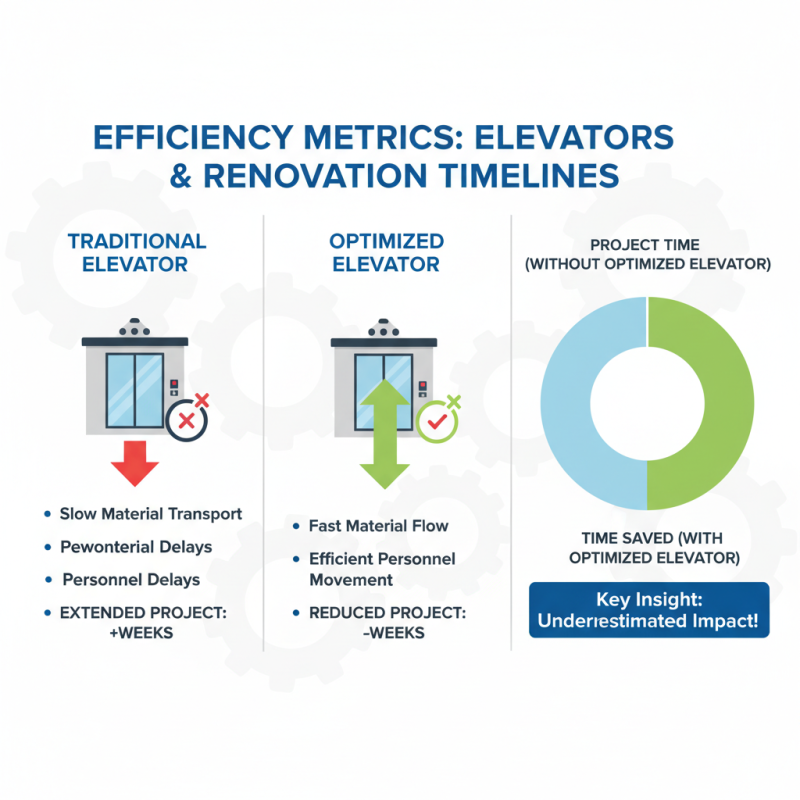
When planning building renovations, choosing the right elevator is crucial. An elevator's efficiency can significantly affect the timeline of a project. This influence is often underestimated. With the right elevator, materials and personnel can be moved quickly within the building. This speed can cut weeks off a project.
Delays frequently occur due to inadequate transport systems. If elevators aren't operational or poorly designed, project timelines extend. Workers may spend too much time waiting for materials. In some instances, bottlenecks arise. A properly functioning elevator alleviates these issues. It streamlines the workflow and supports effective project management.
However, not every elevator suits all renovation needs. Factors to consider include weight capacity and speed. An elevator may seem sufficient but might not handle heavy materials efficiently. Reflecting on these aspects is essential. A thorough assessment ensures that the chosen elevator aligns with the project's requirements. This careful selection can lead to a smoother renovation process.
Cost-Benefit Analysis of Building Renovation Elevators for Contractors
Building renovation projects require careful planning, especially when choosing the right elevator system. Cost plays a crucial role in these decisions. Renovation elevators need to balance efficiency with expense. The initial investment can be high, but far more savings come in the long run.
Many contractors overlook the long-term benefits of using specific elevator types. Temporary elevators, while faster to install, can lead to higher maintenance costs. In this case, a more durable elevator might save money over the project lifespan. Time savings during the renovation process can also enhance profitability. Delays are costly, especially if labor hours are extended. The right choice can minimize these issues.
It’s important to evaluate the overall value these systems provide. An elevator that handles heavy loads might cost more upfront but can drastically reduce the number of trips. Less trips equal more efficiency, leading to quicker project completion. Alternatively, an inadequate choice might stall progress, showing the importance of a thorough cost-benefit analysis. Each project is unique, and careful evaluation can lead to smarter choices.
Safety Standards and Compliance for Building Renovation Elevators
When it comes to building renovation elevators, safety standards play a critical role. Compliance with safety regulations is non-negotiable. These regulations help prevent accidents and protect workers on site. Many renovation projects involve hazardous environments, which increases risks. Thus, understanding safety certifications is essential for any project leader.
Investing in elevators that meet these standards ensures reliability. Proper training for operators is also vital. Trained personnel can significantly reduce the chance of errors. Regular maintenance checks are necessary to uphold operational safety. Compliance should not be viewed as a checkbox task, but as integral to the project's success.
Some renovation projects face frequent changes, revealing gaps in safety protocols. This can lead to confusion among workers. It's crucial to have clear communication regarding safety measures. Miscommunication can create dangerous situations. Continuous education and updates about safety practices are necessary to maintain a safe work environment amidst renovations.







 Ms.Lily International Sales Director
 Join 3S Group