Top Tips for Choosing the Right Building Renovation Elevator?
Choosing the right Building Renovation Elevator is crucial for any construction project. These elevators play a vital role in transporting materials and personnel. An efficient elevator can streamline operations and enhance safety on site.
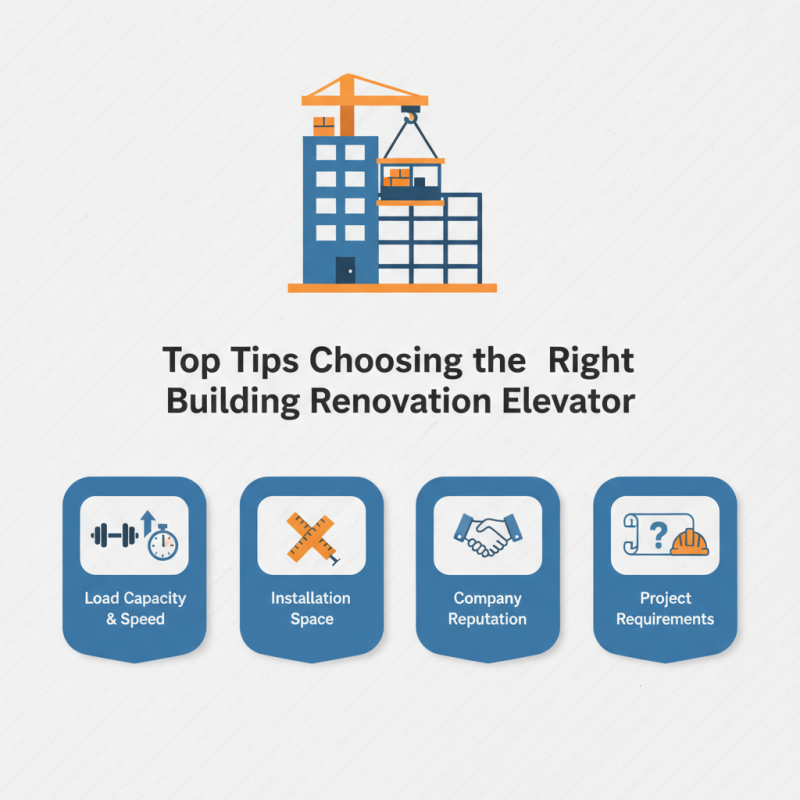
When selecting a Building Renovation Elevator, consider its load capacity and speed. Different projects have varying demands. It’s important to match the elevator's specifications to your renovation needs. Also, check the installation space available. Some elevators require more room than others.
Additionally, look into the company’s reputation. Reliable manufacturers often provide better support and maintenance services. Inexperienced choices can lead to costly setbacks. Awareness of your project’s unique requirements will guide you in making informed decisions. This way, you ensure the renovation process stays on track and minimizes disruptions.
Understanding the Different Types of Building Renovation Elevators
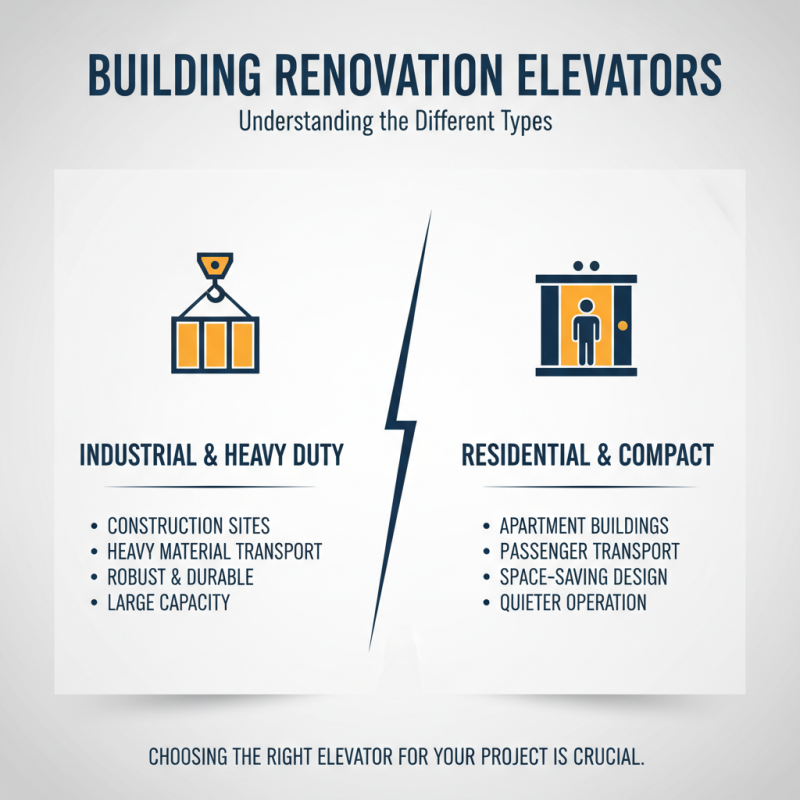
When selecting a building renovation elevator, it is crucial to understand the various types available. Different projects may require different elevators. For instance, a construction site with heavy material transport needs a robust solution. Conversely, residential buildings may benefit from compact, space-saving designs.
Choosing the right elevator involves assessing capacity, speed, and accessibility. Think about the volume of work and the height of your building. Make sure to check if your elevators comply with local regulations. Regular maintenance can ensure reliability, so consider service options available.
Another tip is to analyze installation logistics. Some elevators may require more extensive construction or a specialized installation team. Finally, consult with industry experts to gather insights. They can provide valuable advice tailored to your specific needs.
Key Factors to Consider When Selecting a Renovation Elevator
Choosing the right building renovation elevator requires careful consideration of several key factors. First, assess the specific needs of your renovation project. Will the elevator be used primarily for transporting materials or people? Understanding the primary usage will guide you in selecting an appropriate model.
Weight capacity is another crucial factor. Elevators come with various load limits. Ensure that the elevator you choose can accommodate heavy equipment and materials. A miscalculation here may lead to operational delays or even safety issues.
Safety features are essential. Look for elevators equipped with emergency brakes, non-slip floors, and reliable control systems. Not all models meet safety standards, so verify that the elevator adheres to local regulations.
Finally, consider the installation process and service support. Some models require extensive installation, while others can be set up quickly. Evaluate the ongoing maintenance requirements to avoid unexpected costs down the line. A rushed decision can lead to complications that hinder your renovation progress. Reflect on these aspects and choose wisely.
Top Tips for Choosing the Right Building Renovation Elevator
Evaluating Weight Capacity and Dimensions for Your Project
When selecting a building renovation elevator, it's crucial to evaluate weight capacity and dimensions carefully. According to industry reports, understanding these metrics can significantly impact project efficiency and safety. For instance, the average construction site requires an elevator capable of supporting over 2,000 pounds. This capacity ensures that heavy materials are transported effectively without risking equipment failure.
Tips for choosing the right size include accurately measuring the dimensions of your materials. If your renovation involves large furniture pieces or machinery, a wider car may be necessary. A common misstep is overlooking ceiling height; a tall elevator may be essential for items exceeding seven feet.
Pay attention to clearance requirements as well. Many elevators come with strict operating limits. If these limits are ignored, it could lead to delays or rework. Regular checks on the specifications from reputable resources or construction safety manuals can help refine your choices. Consider consulting professionals to avoid potential pitfalls. Proper diligence can ensure your elevator meets all operational needs seamlessly.
Top Tips for Choosing the Right Building Renovation Elevator
| Dimension Type |
Measurement |
Weight Capacity (lbs) |
Recommended Use |
| Interior Dimensions |
3 ft x 4 ft |
2000 |
Residential Renovations |
| Interior Dimensions |
4 ft x 6 ft |
3000 |
Commercial Use |
| Exterior Dimensions |
5 ft x 5 ft |
4000 |
Heavy Lifting |
| Interior Dimensions |
3 ft x 3 ft |
1500 |
Small Spaces |
| Custom Dimensions |
6 ft x 8 ft |
5000 |
Industrial Use |
Assessing Installation and Maintenance Requirements
When considering a building renovation elevator, installation and maintenance are crucial factors. Assessing the installation involves evaluating the existing structure. The elevator’s design must fit seamlessly into your building's layout. Factors like space and capacity are vital. Engaging with qualified professionals can provide insights into structural modifications needed.
Maintenance should not be overlooked. Regular checks ensure safety and efficiency. You'll want to understand the frequency of these services. Cleaning and inspection can prevent larger issues down the line. Sometimes, maintenance may reveal the need for retrofitting or upgrades that are costly.
Additionally, anticipate potential challenges. In older buildings, unforeseen complications can arise during installation. Local regulations can also dictate specific requirements. These can complicate the selection process. Make sure to weigh all these factors carefully. Prioritizing expertise in the installation team will lead to better long-term outcomes.
Budgeting for Your Building Renovation Elevator Selection
When choosing a building renovation elevator, budgeting is key. A typical renovation elevator can range from $15,000 to $50,000. Hidden costs often arise, especially if structural modifications are needed. Make sure to allocate extra funds for unforeseen challenges.
Consider the installation expenses as well. Installation can add 20-30% to the initial cost. Research shows that nearly 40% of renovation projects exceed their budget due to these factors. Seek out detailed quotes that break down costs. This way, you can make informed decisions without surprises.
Another crucial point is maintenance. Many overlook this expense. Regular maintenance can add 10-15% to the overall budget annually. Without it, equipment can fail, leading to costly repairs. Balancing initial expenses with long-term upkeep is vital. A well-planned budget can help avoid future financial strain.








 Ms.Lily International Sales Director
 Join 3S Group