
Leave Your Message
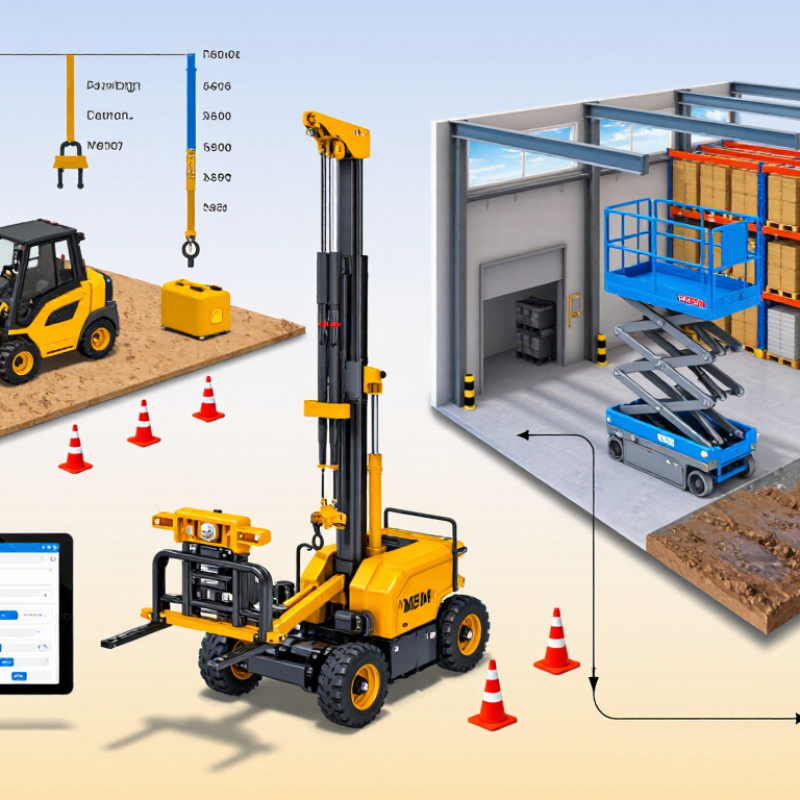
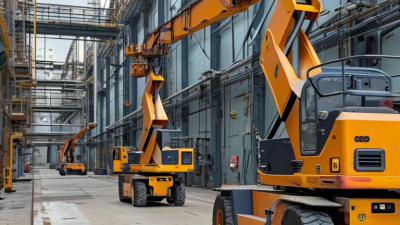
Choosing Mobile Lifting Equipment is not simply a question of capacity or purchase price. It affects safety, productivity, maintenance, and operating continuity. A compact telehandler may suit a construction site, while a scissor lift may perform better inside a warehouse. The correct decision depends on load weight, lifting height, ground conditions, working frequency, power supply, and operator skill.
Industry data reinforces the need for careful selection. The International Powered Access Federation’s Global Safety Report 2024 recorded 118 powered-access fatalities during 2023 across reported markets. Its findings highlight the continuing importance of equipment suitability, training, planning, and daily inspections. The International Labour Organization also estimates nearly three million annual deaths from work-related accidents and diseases worldwide. Not all involve lifting machinery, but the scale demands serious risk control. OSHA standards and relevant ISO and ASME guidance further emphasize rated capacity, inspection procedures, stability, and competent operation.
In practical terms, a machine carrying 1,000 kilograms on concrete may behave differently on wet soil. A narrow aisle can make a powerful machine unusable. Battery equipment may reduce indoor emissions, yet charging infrastructure can become a hidden limitation. Rental records, manufacturer specifications, service history, and site assessments should support the final choice. A neat spreadsheet cannot capture every real-world variable. That is where many purchasing plans become too optimistic. This guide examines the key questions businesses should ask before selecting Mobile Lifting Equipment, including application demands, safety requirements, total ownership costs, and future operational flexibility.
How to Choose Mobile Lifting Equipment for Your Business?
Define Your Business’s Lifting Requirements and Work Conditions
Choosing mobile lifting equipment starts with the real work, not a product brochure. Record the maximum load, load dimensions, lifting height, reach, and daily lifting frequency. Include the load’s center of gravity, because an uneven load can shift unexpectedly. A machine rated for the weight may still be unsuitable for an unstable load. Measure aisles, doorways, storage racks, and turning areas before making a decision. In practical site assessments, these details often reveal problems that specifications miss.
Tips: Observe the busiest shift. Check the floor surface, slopes, clearance, lighting, and weather exposure. Outdoor work may require protection from rain, dust, and strong wind. Indoor operations may need low noise and zero-emission power. Confirm battery charging space or fuel storage arrangements. Ask operators about visibility and control comfort. Their experience can identify hazards early. Do not overlook maintenance access and inspection routines. Small delays become expensive when equipment is difficult to service.
Work conditions can change during the year. Seasonal temperatures, temporary storage layouts, or heavier peak-season loads may affect performance. Leave a sensible safety margin, but avoid choosing excessive capacity without a reason. It can increase size, cost, and floor pressure. A careful assessment may still be imperfect. Review the decision after several weeks of use, and record near misses, awkward movements, or repeated operator complaints.
| Equipment Type | Typical Rated Capacity | Typical Maximum Lift or Platform Height | Best Operating Surface | Typical Power Options | Best Suited For | Key Work-Condition Checks |
|---|---|---|---|---|---|---|
| Mobile Crane | 10–500+ tonnes | 20–100+ m, depending on configuration | Prepared, compacted ground with adequate access and outrigger space | Diesel; hybrid or electric options are available for selected applications | Heavy lifts, construction projects, infrastructure work, plant installation, and long-reach lifting | Confirm load charts, lift radius, ground-bearing capacity, overhead obstructions, outrigger clearance, road access, and wind limits. |
| Rough-Terrain Telehandler | 2.5–6 tonnes | 6–18 m | Uneven outdoor terrain, construction sites, farms, and material yards | Diesel | Moving palletized materials, placing loads at height, and handling attachments on changing terrain | Check attachment compatibility, forward-reach capacity, slope limits, ground conditions, visibility, and whether stabilizers are required. |
| Rough-Terrain Forklift | 2.5–10 tonnes | 3–7 m | Outdoor construction sites, gravel, packed soil, and uneven surfaces | Diesel or LPG | Transporting palletized loads over short distances where conventional warehouse forklifts cannot operate | Evaluate tire type, traction, load-center distance, surface bearing capacity, ramp gradients, and weather exposure. |
| Warehouse Counterbalance Forklift | 1.5–5 tonnes | 3–6 m | Smooth, level indoor floors and paved loading areas | Electric, LPG, diesel, or compressed natural gas depending on the work environment | Loading trucks, stacking pallets, production-line supply, and general warehouse handling | Measure aisle width, rack height, floor loading, ventilation requirements, battery-charging space, and the required load center. |
| Electric Pallet Truck | 1.5–3 tonnes | Ground-level transport; lift height usually below 0.3 m | Smooth indoor floors and short-distance warehouse travel | Battery electric | Horizontal pallet movement, order staging, loading docks, and frequent warehouse transfers | Check travel distance, ramp gradients, battery runtime, charging arrangements, pedestrian traffic, and turning space. |
| Electric Scissor Lift | 230–700 kg platform capacity | 4–14 m platform height | Firm, level indoor floors or smooth paved outdoor surfaces | Battery electric | Indoor maintenance, installation, lighting, inventory work, and vertical access with multiple workers | Verify platform capacity, floor condition, maximum wind rating, doorway dimensions, guardrails, and non-marking tire requirements. |
| Rough-Terrain Scissor Lift | 450–900 kg platform capacity | 6–18 m platform height | Firm outdoor ground with limited slopes and suitable access routes | Diesel or hybrid | Construction, exterior installation, structural work, and elevated tasks over uneven outdoor surfaces | Assess slope capability, ground pressure, stabilizer requirements, wind exposure, access width, and site traffic separation. |
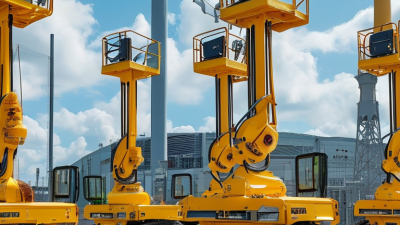
| Articulating Boom Lift | 200–450 kg platform capacity | 12–45 m working height | Firm surfaces; rough-terrain models can operate on suitable outdoor ground | Battery electric, diesel, or hybrid | Reaching over obstacles, façade maintenance, tree care, steelwork, and complex access tasks | Consider horizontal outreach, two-person versus one-person capacity, wind limits, overhead lines, machine swing radius, and rescue planning. |
| Vertical Mast Lift | 150–230 kg platform capacity | 5–12 m working height | Smooth indoor floors and compact paved areas | Battery electric | Indoor inspection, retail maintenance, facility services, and work in narrow aisles | Confirm overall width, turning radius, doorway clearance, floor levelness, battery charging, and required platform capacity. |
| Spider Lift | 120–250 kg platform capacity | 15–40 m working height | Restricted-access locations with suitable outrigger support | Battery, diesel, petrol, or hybrid depending on the model | Heritage buildings, atriums, landscaping, tree work, and elevated access through narrow entrances | Check transport weight, doorway width, outrigger footprint, floor protection, ground pressure, slope, and emergency lowering procedures. |
| Truck-Mounted Crane | 1–20 tonnes | 8–30 m, depending on boom configuration | Paved roads, prepared construction areas, and stable loading zones | Diesel | Delivery work, utility maintenance, short-duration lifting, and projects requiring frequent relocation | Evaluate vehicle access, legal road weight limits, setup space, outrigger placement, load radius, and overhead clearance. |
| Selection rule: Start with the heaviest load, load dimensions, required lift height, horizontal reach, operating frequency, travel distance, surface conditions, available space, power restrictions, and local safety requirements. Use the manufacturer’s specific load chart and operating manual for final equipment selection. | ||||||


 Ms.Lily International Sales Director
 Join 3S Group