How to Choose the Right Oil Refinery Lift?
Choosing an Oil Refinery Lift is not simply a matter of selecting the largest platform or strongest hoist. Refinery environments combine heavy equipment, narrow access routes, elevated work areas, heat, vibration, and strict operational controls. A suitable lift must match the task, location, load, and working conditions.
Industrial lifting engineer David L. Dickinson offers a practical reminder: “The safest lift is the one designed around the real task, not the advertised capacity.” That principle deserves attention. A lift rated for 500 kilograms may still be unsuitable near pipe racks, processing units, or uneven floors. Users must examine platform dimensions, travel height, turning space, wheel configuration, emergency lowering, and maintenance access. Small details matter. A blocked exit can become a serious problem.
This guide explains how to compare an Oil Refinery Lift with greater care. It considers load capacity, corrosion resistance, power supply, mobility, guarding, control systems, and operator visibility. It also discusses inspection records and supplier support, because dependable service often matters after installation. A technically impressive machine can still fail the job if workers cannot position it safely.
Experience teaches an uncomfortable lesson. Specifications alone do not guarantee suitability. Site conditions change, and assumptions can become outdated. Therefore, selection should involve operators, maintenance teams, safety professionals, and qualified suppliers. Their combined experience can reveal practical weaknesses before purchase. The best choice may not be the cheapest or most powerful option. It should provide controlled access, predictable performance, and a clear safety margin throughout refinery operations.
What Is an Oil Refinery Lift and Why Is It Used?
How to Choose the Right Oil Refinery Lift?
What Is an Oil Refinery Lift and Why Is It Used?
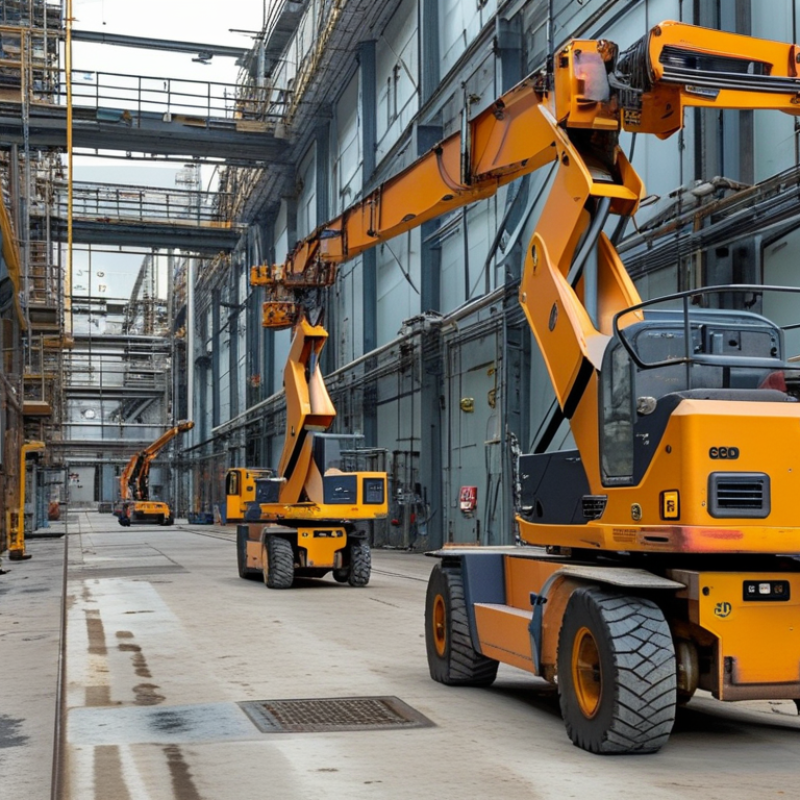
An oil refinery lift is equipment designed to raise people, tools, or materials safely. It may include a scissor lift, boom lift, personnel platform, or fixed vertical lift. Each type supports different access needs. Refineries use lifts during inspection, maintenance, pipework, electrical work, and equipment installation. They reduce manual climbing and provide a stable working position above ground.
The correct lift must match the load, height, reach, floor condition, and work environment. Check the rated capacity before loading tools or workers. A lift carrying 300 kilograms should not operate near its limit every day. Leave a practical safety margin. Confirm that the platform fits between pipes, tanks, and other structures. Limited space can make a technically suitable lift unusable.
Refinery conditions require extra care. Equipment should suit the site’s hazardous-area requirements and operating procedures. Inspect tires, guardrails, controls, emergency lowering systems, and visible hydraulic leaks. Corrosion deserves attention, especially near processing units and washdown areas. Operators need documented training and a clear rescue plan. A lift can appear ready while hiding a serious fault. Choosing only by height or price is an easy mistake. Field conditions often expose problems that a specification sheet misses.
How to Choose the Right Oil Refinery Lift? - What Is an Oil Refinery Lift and Why Is It Used?
| Lift Type |
Primary Refinery Use |
Typical Working Height |
Typical Rated Load |
Main Advantages |
Important Limitations |
Best Selection Conditions |
| Scissor Lift |
Accessing straight vertical areas such as pipe racks, platforms, cable trays, and maintenance decks |
Approximately 6–18 m |
Approximately 230–680 kg |
Stable work platform; relatively high platform capacity; suitable for multiple workers and tools |
Requires a firm, reasonably level surface; limited horizontal reach; many models are not suitable for hazardous areas without specific approval |
Choose when the work is directly above the parking position and the ground can support the machine |
| Boom Lift |
Reaching vessels, columns, pipework, flare-system structures, and equipment located beyond obstacles |
Approximately 12–45 m |
Approximately 230–450 kg |
Good vertical and horizontal reach; articulated models can position workers around complex structures |
Lower platform capacity than many scissor lifts; wind, ground conditions, and outreach strongly affect safe operation |
Choose when the work area is elevated, offset, obstructed, or difficult to approach directly |
| Vertical Mast Lift |
Indoor inspection, instrumentation work, electrical maintenance, and access in narrow process areas |
Approximately 5–12 m |
Approximately 135–230 kg |
Compact footprint; low floor loading; easy maneuverability in restricted spaces |
Limited reach and platform capacity; generally intended for lighter-duty tasks |
Choose when access space is restricted and the required tools and personnel are lightweight |
| Personnel Lift |
Short-duration inspections, lighting work, valve access, and routine maintenance at moderate heights |
Approximately 3–12 m |
Approximately 120–160 kg |
Lightweight; quick to position; often suitable for indoor or congested maintenance areas |
Usually limited to one worker and a small quantity of tools; not designed for heavy materials |
Choose for frequent light-duty access where portability and fast setup are priorities |
| Hydraulic Material Lift |
Moving tools, spare parts, hoses, valves, and maintenance materials between ground and elevated work areas |
Approximately 2–10 m |
Approximately 250–1,000 kg |
Designed for vertical material handling; can reduce manual lifting and improve transfer efficiency |
Not a substitute for a personnel lift unless specifically designed and approved for people; requires controlled loading and unloading |
Choose when the primary requirement is lifting materials rather than raising workers |
| Fixed Platform Lift |
Permanent access between defined elevations, such as mezzanines, operating floors, and service platforms |
Site-specific; commonly 3–15 m |
Project-specific; commonly 300–1,500 kg |
Repeatable access route; can be integrated into plant structures and operating procedures |
Higher installation cost; fixed location; requires structural, electrical, and safety design review |
Choose when the same elevation change must be completed repeatedly over the facility's operating life |
Selection Note: The capacity and height ranges shown are typical planning ranges, not guaranteed specifications. Actual values vary by lift configuration, platform position, attachments, manufacturer design, and site conditions.
| Selection Factor |
What to Check |
Why It Matters in a Refinery |
| Hazardous-area classification |
Confirm the area classification and whether the lift has the required electrical, ignition-control, and operating approvals |
Refineries may contain flammable gases or vapors; ordinary equipment may not be suitable in classified areas |
| Required height and outreach |
Measure working height, platform height, horizontal reach, and clearance around pipes and vessels |
A lift with sufficient height may still be unsuitable if it cannot reach around fixed process equipment |
| Total platform load |
Add workers, tools, spare parts, hoses, test equipment, and any approved accessories |
Exceeding rated capacity can reduce stability and create a serious fall or equipment hazard |
| Ground and structural conditions |
Check slab capacity, grating, slopes, openings, drainage channels, and ground bearing conditions |
Process areas often include uneven surfaces and structures that can restrict travel or affect stability |
| Environment and weather |
Review wind limits, temperature, rain, corrosion, dust, noise, and nearby heat sources |
Outdoor refinery work can be affected by wind, corrosive atmospheres, and elevated temperatures |
| Mobility and access route |
Measure gate widths, turning radius, aisle clearance, ramp gradients, and travel surfaces |
A lift cannot be used efficiently if it cannot reach or be positioned safely at the worksite |
| Safety and compliance |
Verify applicable local regulations, inspection requirements, operator training, fall protection, emergency lowering, and rescue procedures |
Safe use depends on both equipment suitability and a documented site-specific operating plan |
Which Lift Types Suit Different Refinery Operations?
Choosing an oil refinery lift begins with the job, not the maximum height. Fixed vertical lifts suit repeat access beside pumps, valves, and analyzer shelters. Scissor lifts provide a stable deck for filters, cable trays, and two-person inspections. Articulating boom lifts reach over pipe racks, but their swing radius needs careful control. Personnel hoists support planned vertical travel between levels. Forklifts belong to pallet movement, not improvised personnel access.
Refinery conditions change the decision. Check load capacity, platform dimensions, emergency lowering, wind limits, grounding, and hazardous-area suitability. A diesel-powered lift may add fumes near an operating unit. Battery equipment can reduce exhaust, but charging and heat management still matter.
The U.S. Bureau of Labor Statistics reported 885 fatal occupational injuries from falls, slips, and trips in 2023. That figure covers all industries. It still underlines a refinery truth: access equipment is part of process safety. The IEA’s Oil 2024 report expects oil demand growth to slow sharply after 2024. That may encourage maintenance optimization. It should not justify thinner inspection schedules. I have seen teams choose reach first. That shortcut fails when rescue access is poor.
Tips:
Match the lift to the task risk assessment. Confirm certification, operator training, inspection records, and rescue drills. Measure doorway width and floor loading before delivery. Keep a spotter near congested pipework. Recheck the choice after turnarounds.
How to Assess Load Capacity, Reach, and Working Height
Choosing an oil refinery lift begins with the load, not the platform height. In field assessments, I record workers, tools, hoses, and materials separately. Their combined weight must stay below the lift’s rated capacity. Keep a safety margin. A 300-kilogram load may become unstable at full outreach. Check the load chart for every planned position. Capacity often decreases as the platform extends. Confirm site classification and lift suitability with a qualified safety professional.
Reach is the horizontal distance from the lift’s centerline to the work point. Measure around pipes, valves, and insulation rather than estimating from the ground. A longer boom can improve access, yet it may increase sway and reduce capacity. Working height includes platform height plus a worker’s reach. Two metres is a useful estimate, but body position changes it. Leave clearance above helmets and below overhead structures. Too much reach can tempt operators to lean.
Compare required height, outreach, and gross load with the equipment data sheet. Inspect ground strength, slope limits, wind restrictions, and access width. Ask an authorized operator to test the route without personnel when practical. I once underestimated temporary grating deflection; the lift passed its weight check but exposed an access problem. That mistake changed my checklist. I now verify floor conditions with site engineering and recheck measurements after adding hoses and tools. Records should show the date, location, assumptions, and reviewer. Small omissions matter.
What Safety Standards and Environmental Features Are Required?
How to Choose the Right Oil Refinery Lift?
Safety standards should guide every refinery lift decision. Choose equipment with a clearly marked safe working load and documented test records. The structure must resist corrosion, vibration, heat, and uneven flooring. Guardrails, toe boards, non-slip platforms, and automatic locking systems reduce fall risks. Emergency lowering should remain available during power failure. Controls must prevent unintended movement. Confirm that electrical components suit the classified hazardous area and local regulations.
Tips: Ask for inspection certificates, maintenance instructions, and operator training records. Check the lift beside real tanks, pipes, and access routes. A compact model may fit better, but limited clearance can create dangerous shortcuts. Keep spill trays beneath hydraulic systems. Select biodegradable, fire-resistant fluids when technically suitable. Use leak sensors where a small discharge could reach drains or soil. Low-noise pumps and energy-saving standby modes can reduce environmental impact.
Experienced maintenance teams should also review cleaning procedures and end-of-life disposal. Stainless or coated surfaces may last longer, yet coating damage can remain hidden under grime. Schedule visual checks, load tests, and corrosion inspections at documented intervals. Do not rely on appearance alone. A lift that meets one standard may still fail a site-specific risk assessment. That uncomfortable gap deserves attention before installation.
How to Choose the Right Oil Refinery Lift?
Safety Standards and Environmental Features Required
The chart shows key atmospheric screening limits used in U.S. OSHA permit-required confined-space work. Oxygen below 19.5% or above 23.5% by volume is hazardous, while flammable gas, vapor, or mist at or above 10% of the lower flammable limit requires immediate control measures. These limits should be verified with calibrated gas detection equipment before and during lift operations.
Safety compliance
Check applicable requirements such as OSHA 29 CFR 1910.67, ANSI/SAIA A92, site permit-to-work rules, emergency lowering, guardrails, overload protection, and fall protection.
Hazardous-area suitability
For classified areas, select equipment with the required IECEx or ATEX certification and electrical protection level for the specific zone and gas group. Standard equipment must not be assumed suitable.
Environmental features
Prefer zero-emission electric drive where practical, sealed or low-leak hydraulic systems, spill containment, low-noise operation, recyclable batteries, and charging arrangements suitable for the site environment.
How to Compare Costs, Maintenance, and Long-Term Value
Choosing an oil refinery lift requires more than comparing purchase prices. A low-cost unit may need frequent shutdowns, specialist parts, and extra corrosion protection. The U.S. Department of Energy’s Operations and Maintenance Best Practices Guide estimates that maintenance can represent 60–75% of an asset’s life-cycle cost. That figure changes the buying question.
What will the lift cost after ten years?
Request a total-cost model with energy use, inspections, spare parts, training, downtime, and disposal. Check the duty cycle against real refinery conditions, including heat, dust, vibration, and corrosive vapors. A lift with stronger seals and accessible components may cost more initially. It can still produce better long-term value.
I would not assume the highest specification is always best. Unused capacity is also paid-for steel. The International Energy Agency’s Oil 2024 outlook points to slower demand growth and more refining capacity later this decade. Efficient assets may therefore matter more than oversized assets.
Tips:
Compare five-year and ten-year costs. Ask for documented service intervals. Confirm local maintenance skills before purchase. Review emergency lowering, cabin ventilation, load testing, and hazardous-area requirements. ISO 55000 asset-management principles support decisions based on whole-life value, not only acquisition cost. Keep one warning in mind: projected savings can look precise, but poor site data can make them misleading. Validate assumptions with operators and maintenance records.




 Ms.Lily International Sales Director
 Join 3S Group