2026 Top Types of Power Stations for Global Buyers?
Global buyers entering 2026 face a power market shaped by resilience, electrification, and faster renewable deployment. The International Energy Agency’s Electricity 2024 report projects global electricity demand will grow by about 4% annually through 2026. Data centers, factories, transport systems, and households are increasing pressure on reliable supply. This demand changes what buyers should expect from modern power stations.
Renewables are expanding quickly. The IEA’s Renewables 2024 report forecasts nearly 5,500 gigawatts of new renewable capacity between 2024 and 2030. Solar, wind, hydropower, gas, nuclear, and battery-based systems will therefore serve different operational needs. The IEA’s Batteries and Secure Energy Transitions report also indicates that global energy storage capacity must expand sixfold by 2030 under a net-zero pathway. A battery station can stabilize a solar-heavy site, while a gas turbine may provide firm capacity during prolonged low-wind periods. Portable systems remain valuable for construction, emergency response, and temporary commercial operations.
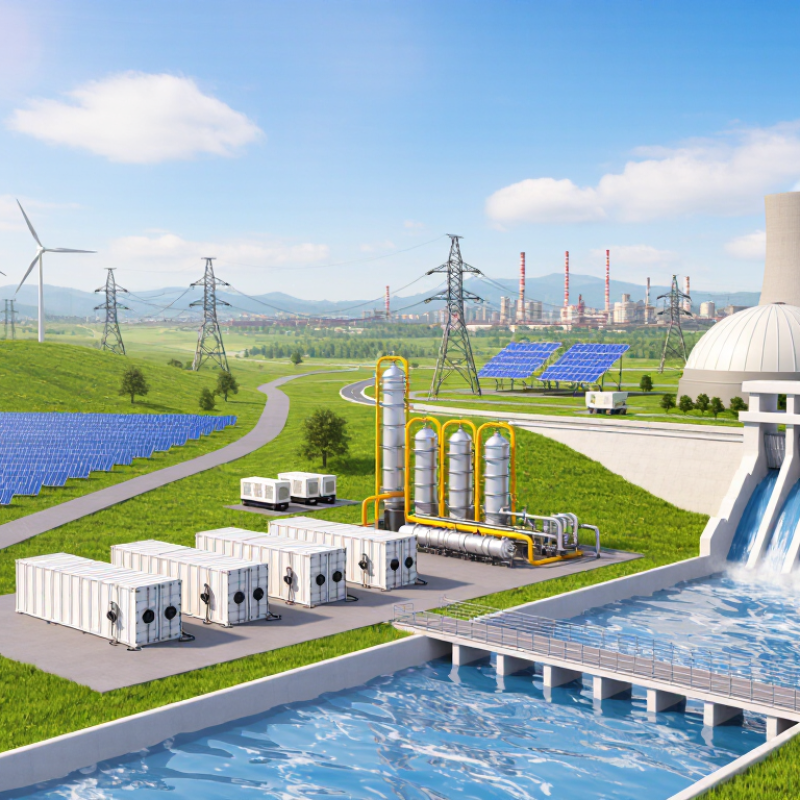
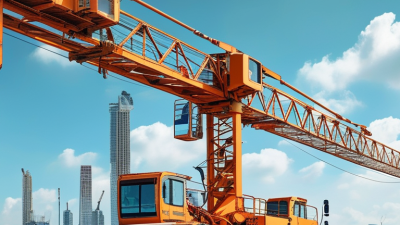
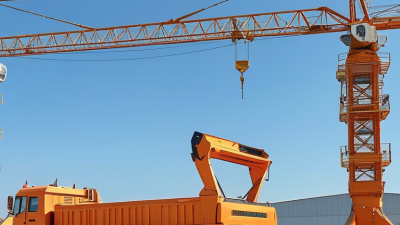
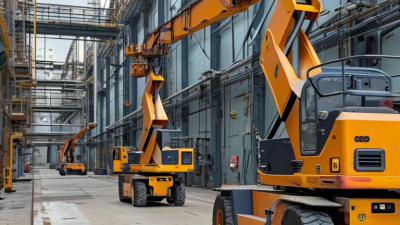
This guide examines the top types of power stations for global buyers in 2026, including utility-scale solar farms, wind parks, hydropower plants, nuclear facilities, gas-fired stations, battery energy storage systems, and hybrid microgrids. It also considers the Power Stations Lift, meaning the equipment and logistical requirements involved in raising, positioning, and maintaining heavy station components. Practical issues matter: grid compatibility, fuel access, emissions rules, financing, service networks, and extreme-weather performance. No single technology wins everywhere. That is the uncomfortable part. A low-cost system can become expensive when maintenance skills, spare parts, or transmission capacity are missing. Buyers should compare verified performance data, lifecycle costs, and local operating experience before choosing a design.
What Is a Power Station and Why Do Its Types Matter?
A power station converts an energy source into usable electricity. In utility markets, this includes thermal, hydroelectric, nuclear, solar, and wind facilities. In consumer markets, the term often means a rechargeable battery unit with an inverter, outlets, and charging ports. This distinction matters. A grid plant may serve thousands of homes, while a portable unit can run a refrigerator during an outage.
Type determines performance, cost, emissions, and operating risk. A diesel generator offers rapid refueling but creates noise and direct emissions. A lithium-ion station operates quietly and responds instantly. Lithium iron phosphate batteries usually provide stronger thermal stability and longer cycle life, although they can be heavier. Solar charging reduces fuel dependence, but cloudy weather and limited panel area restrict real output. Buyers should examine watt-hours, continuous watts, surge watts, recharge time, battery chemistry, and local electrical standards.
The wider energy market shows why these choices are becoming important. The International Energy Agency reported that global electricity demand may grow by an average 3.4% annually through 2026 in Electricity 2024. IRENA recorded 585 gigawatts of new renewable capacity in 2024, representing 92.5% of total global power additions. These figures support cleaner electricity, but they do not make every power station suitable. A buyer in a flood-prone area may value sealed housing and repair access more than maximum capacity. A simple category can still mislead. Real use conditions decide the better type.
How Are Power Stations Classified by Energy Source and Design?
Power stations are commonly classified by their primary energy source. Fossil-fuel stations burn coal, natural gas, or refined fuels to produce heat and steam. Gas-fired units may also drive turbines directly, often enabling faster output changes. Nuclear stations use controlled fission to create heat, while hydroelectric stations convert flowing or falling water into electricity.
Renewable stations include solar photovoltaic, wind, geothermal, and biomass facilities. Each has different operating conditions. Solar output changes with daylight and cloud cover. Wind output depends on weather and site exposure. Hydroelectric generation can be highly dependable, but drought may reduce available capacity. Biomass plants require steady fuel logistics, which buyers sometimes underestimate.
Design creates another useful classification. Large centralized stations feed high-voltage grids, while distributed stations serve factories, buildings, or remote communities. Thermal designs may use steam turbines, gas turbines, or combined-cycle arrangements. Renewable projects often use modular layouts that simplify phased expansion. Battery storage stations are different; they store electricity rather than generate primary energy. That distinction matters during procurement.
In practical evaluations, I compare fuel access, cooling needs, maintenance skills, grid stability, and local regulations. A low purchase price can hide difficult transport routes or expensive spare parts. Buyers should also examine emissions controls, safety systems, land requirements, and expected operating hours. Labels help, but they can oversimplify a project. Site data must decide.
What Are the Main Types of Power Stations in 2026?
In 2026, power stations mainly fall into thermal, hydro, nuclear, solar, wind, and geothermal categories.
Thermal stations burn coal, gas, or biomass to produce steady electricity. Their fuel logistics and emissions controls require careful assessment. Hydropower offers flexible output, but rainfall patterns and water rights can affect reliability. Nuclear stations provide stable, low-carbon generation. However, construction schedules, safety systems, and financing remain demanding.
Renewable stations are expanding quickly. IRENA’s Renewable Capacity Statistics 2025 reported 4,448 GW of global renewable capacity at the end of 2024. Solar reached about 1,865 GW, while hydropower and wind reached approximately 1,283 GW and 1,133 GW. The IEA expects nearly 5,500 GW of renewable capacity additions between 2024 and 2030. Solar farms need large areas and grid connections. Wind projects need stronger transmission planning. Storage is not a generation type, but it increasingly supports both technologies.
Tips:
Compare levelized cost, capacity factor, land needs, water use, and grid distance. Ask for measured local resource data, not only forecasts. A cheap station can become expensive when transmission upgrades are ignored. Battery sizing also deserves independent review. Many early estimates look optimistic. That is worth challenging.
Which Power Station Fits Different Global Buyer Requirements?
A suitable power station depends on the buyer’s operating conditions, not only battery capacity. The International Energy Agency’s Renewables 2024 report projects nearly 5,500 GW of renewable capacity additions by 2030. This makes solar input increasingly relevant for homes, field teams, and small businesses.
For apartments, a compact lithium iron phosphate station can run phones, routers, lights, and medical devices during short outages. Buyers should check continuous output, surge capacity, charging time, and battery-cycle data. A 1,000-watt model may support a refrigerator briefly, but not every compressor starts smoothly. Real use is less predictable.
For remote work, construction, or emergency response, choose a higher-capacity unit with multiple output ports and reliable solar charging. The IEA’s Electricity 2024 report expects global electricity demand to grow strongly through 2026, increasing pressure on local grids. In cold regions, thermal performance matters; in humid areas, enclosure protection matters more. Always verify transport rules and electrical certifications, such as applicable IEC requirements.
Portable units are not universal replacements for generators. Noise, sunlight, weight, and recharge access can change the decision. Some published runtime figures also assume ideal laboratory conditions. That deserves skepticism. A practical buyer should test the station with the actual refrigerator, router, lamp, or tools before relying on it.
2026 Top Types of Power Stations for Global Buyers
Which power station fits different global buyer requirements?
The chart uses representative continuous-output midpoints from commonly available power-station configurations. Actual capacity, output, battery chemistry, solar input, and safety certification vary by model and market.
Portable Power Stations
Suitable for travel, emergency charging, lighting, communication devices, and small appliances.
Expandable Home Backup
Designed for refrigerators, networking equipment, medical devices, and selected household circuits.
RV and Mobile Power Stations
A practical fit for mobile work, camping, outdoor events, and vehicle-based equipment.
Off-Grid Solar Systems
Best for cabins, remote homes, telecom loads, and locations with limited grid access.
Commercial Energy Storage
Intended for peak shaving, backup power, renewable-energy integration, and critical facilities.
What Should Buyers Evaluate Before Choosing a Power Station?
In 2026, buyers can choose portable battery stations, solar-compatible units, fuel generators, and hybrid systems. The right option depends less on popularity than on the worksite. A weekend photographer needs quiet outlets and light weight. A construction crew may need high surge capacity, weather protection, and rapid refueling. Ask what will run together, not only what runs alone. Read the label. Check continuous watts, peak watts, battery chemistry, outlet types, and charging time. A refrigerator, pump, or medical device can behave differently during startup. Test the real load when possible.
Experienced buyers inspect more than capacity numbers. Compare usable energy in watt-hours, because advertised capacity may not equal delivered power. Review cycle-life test conditions, operating temperature, noise levels, ingress protection, and warranty terms. A station rated for 2,000 watts may still trip under a motor’s brief surge. Ask whether replacement batteries, chargers, and service documentation are available in your region. Confirm electrical certifications accepted by the destination market, and use qualified technicians for fixed wiring. Do not treat an app estimate as a measurement.
Reliability also depends on transport and storage. Check weight, handles, wheel quality, cable storage, and charging performance after a cold night. Solar input can fall sharply under clouds, dust, or poor panel angles. Fuel systems may provide longer runtime, but ventilation, maintenance, and local emissions rules require attention. Battery systems are quieter, yet they may need careful thermal management in hot containers. I have seen buyers overvalue peak output and undervalue recovery time. That mistake is expensive. Leave a realistic reserve for aging, weather, and unexpected loads.



 Ms.Lily International Sales Director
 Join 3S Group