Complementary Personal Protective Equipment Safety Lanyard
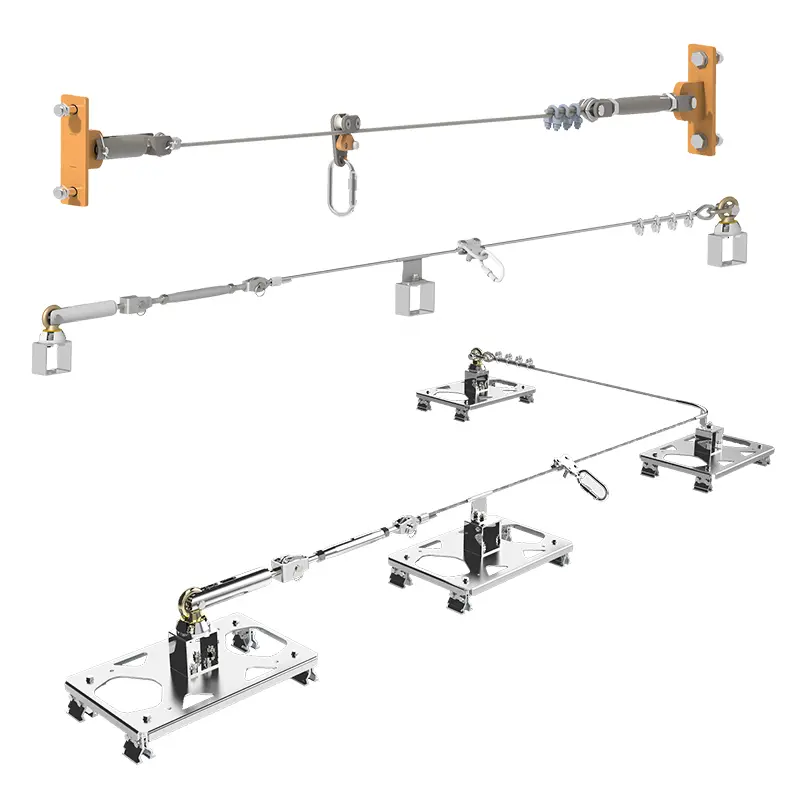
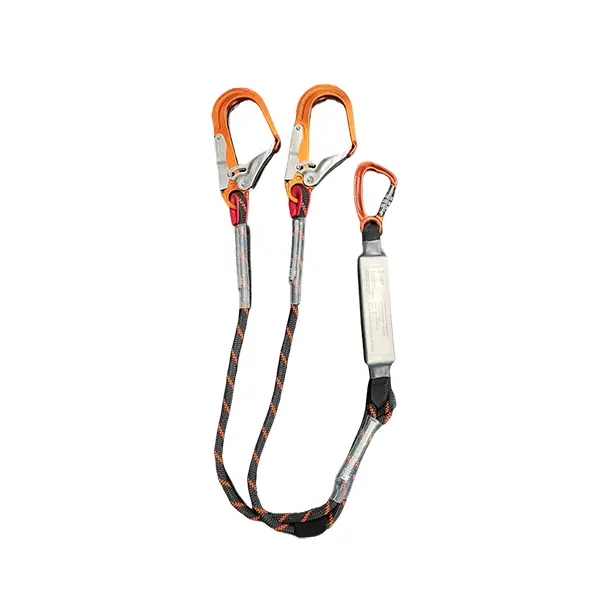
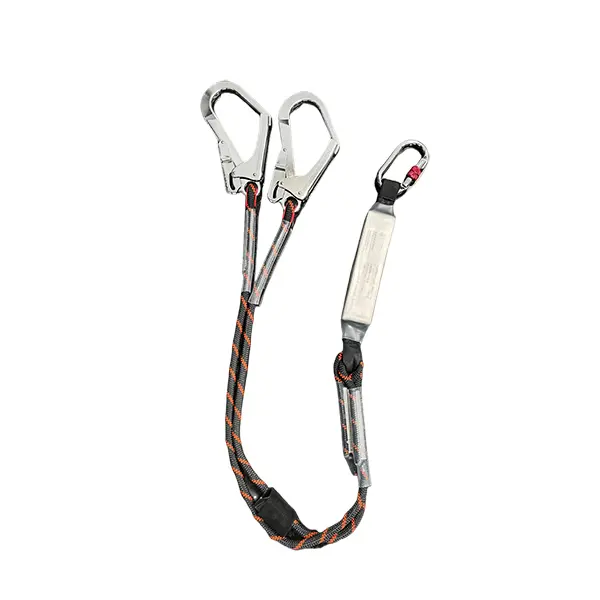
Full - body harnesses should always be used in tandem with safety lanyards. This combination is crucial for preventing falls and safeguarding the safety of workers operating at heights. These harness - lanyard systems find extensive application across a diverse range of industries. This includes the wind energy sector, where workers are often exposed to elevated workspaces on turbines; the construction industry, with its multitude of high - rise building projects; the telecommunication field, where technicians may work on tall towers; the electric power industry, where tasks at elevated positions are common; and the chemical industry, which also has work requirements at heights. By using full - body harnesses and safety lanyards together, the risk of falls and subsequent injuries can be significantly mitigated in these various industrial settings.
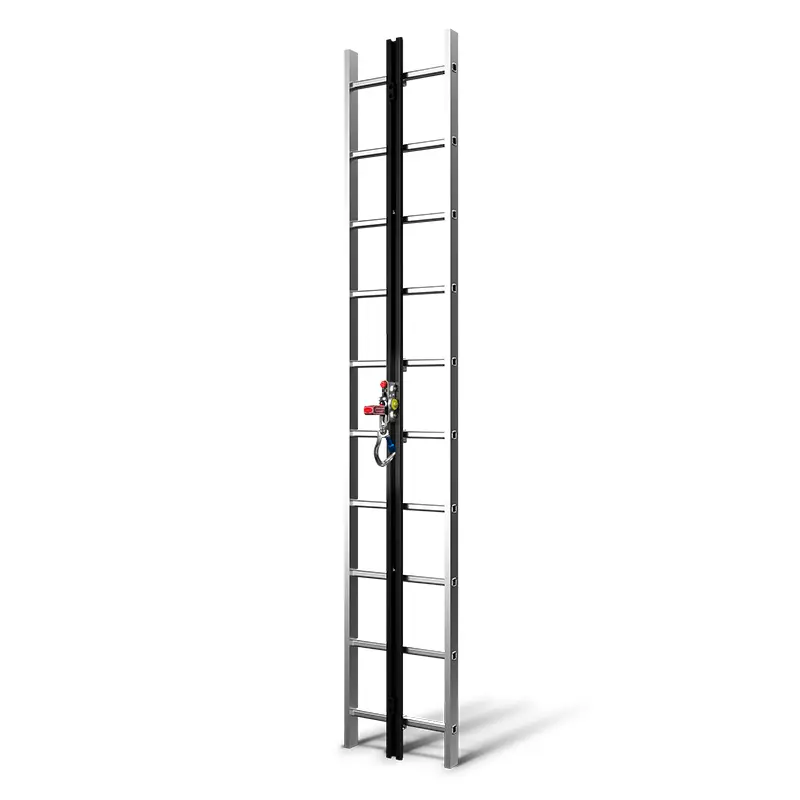
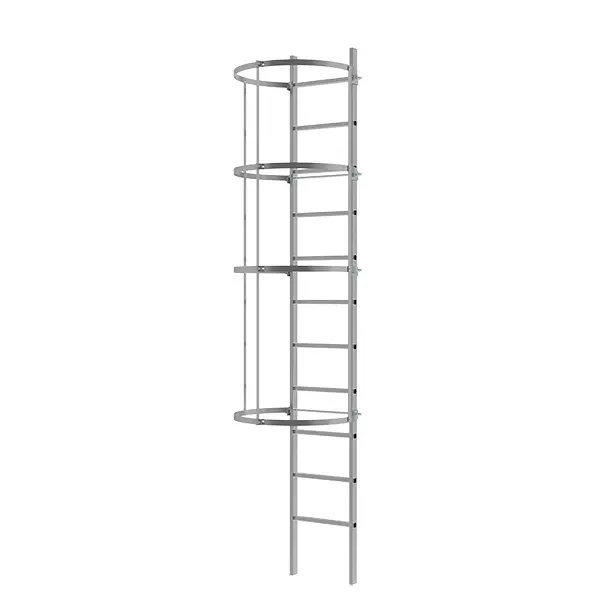
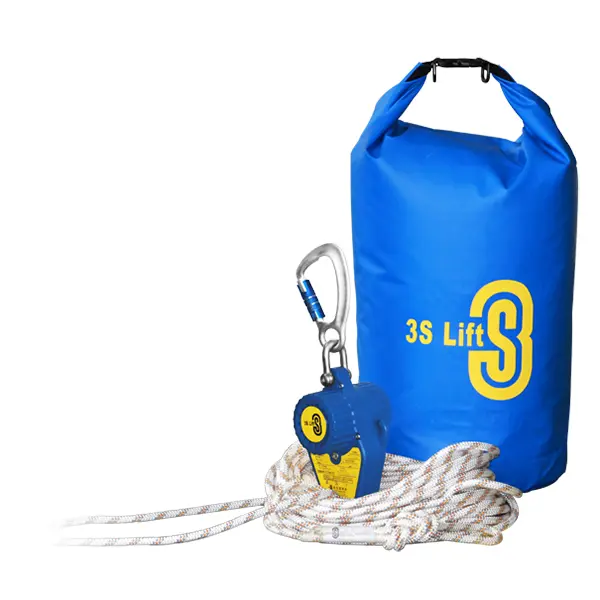
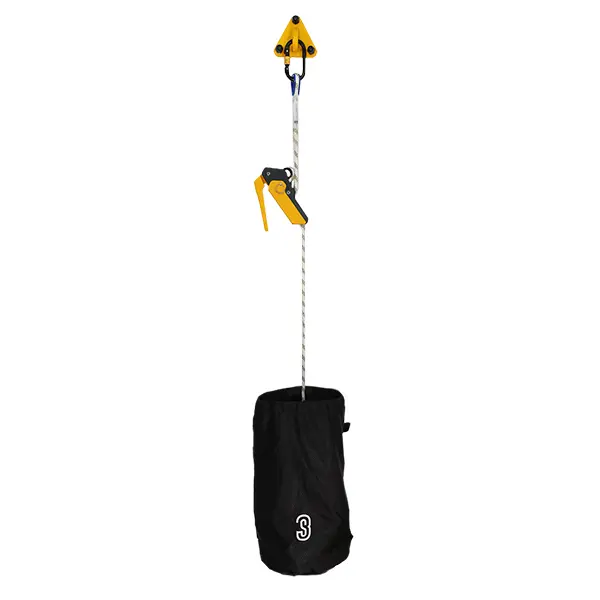
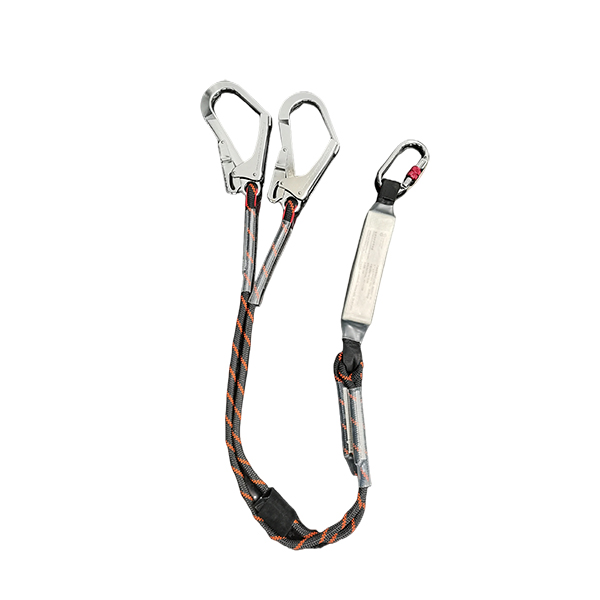
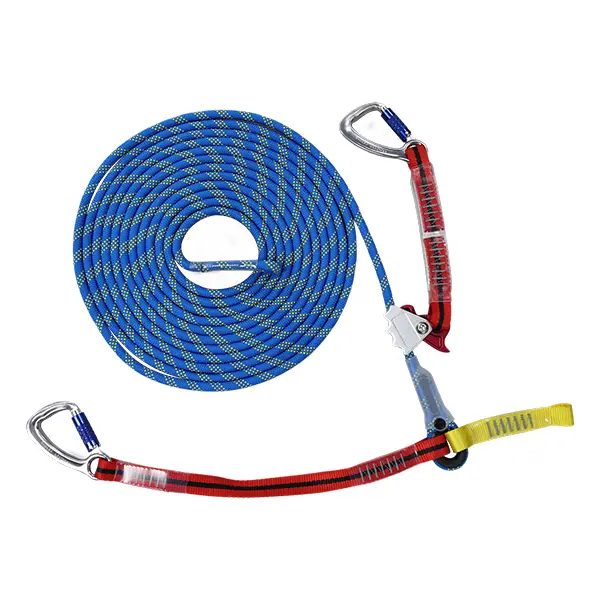
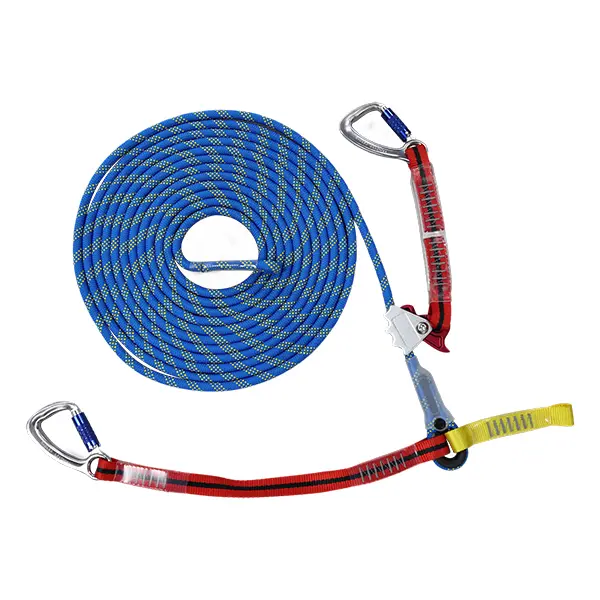
Vertical Lifeline With Shock Pack And Fall Arrester
SD-01001
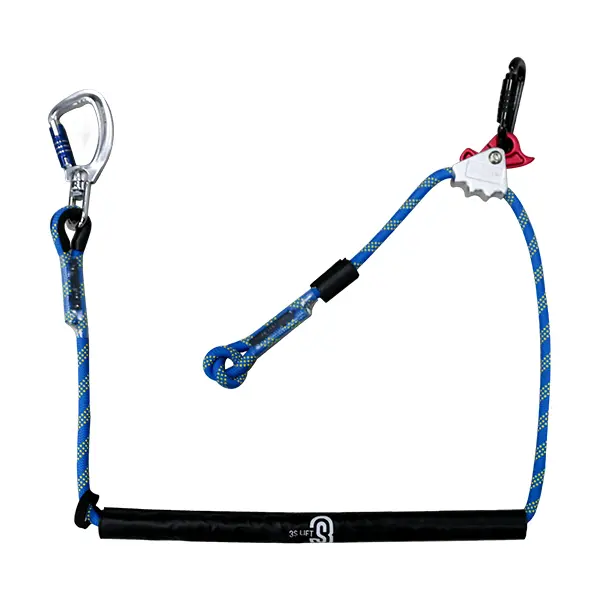
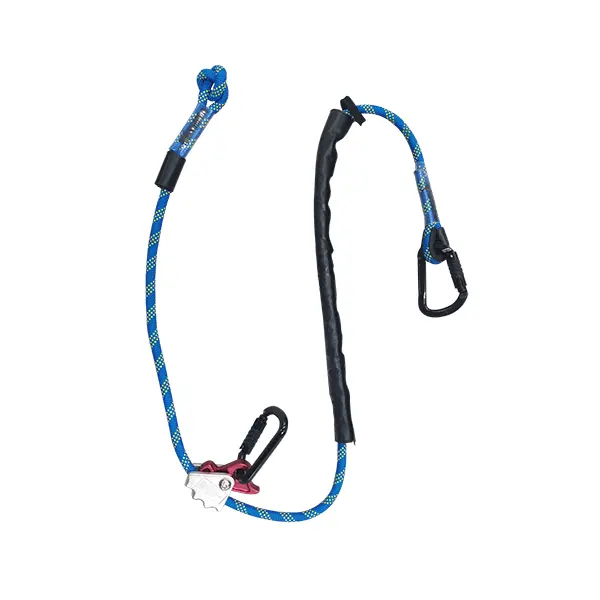
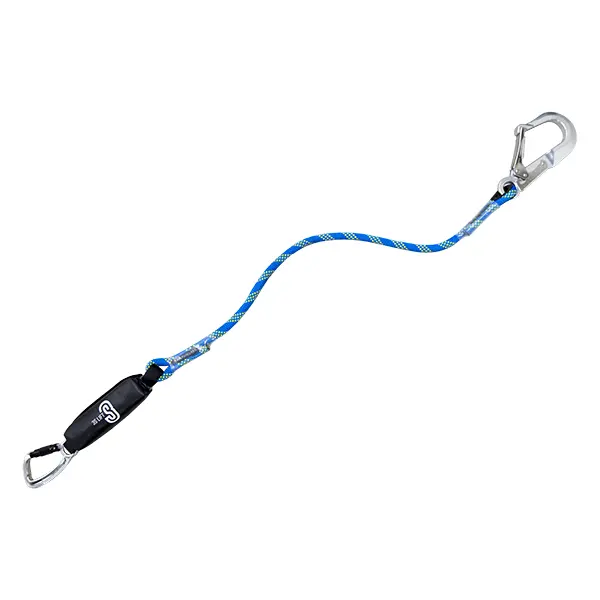
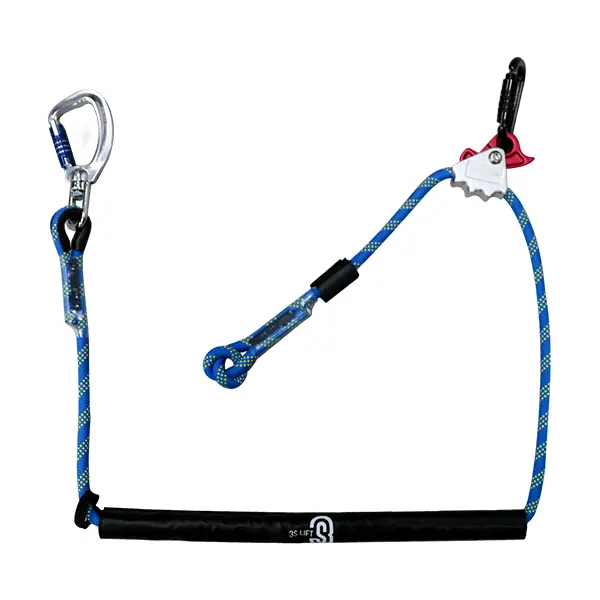
Adjustable Work-Positioning Lanyard
SD-01002
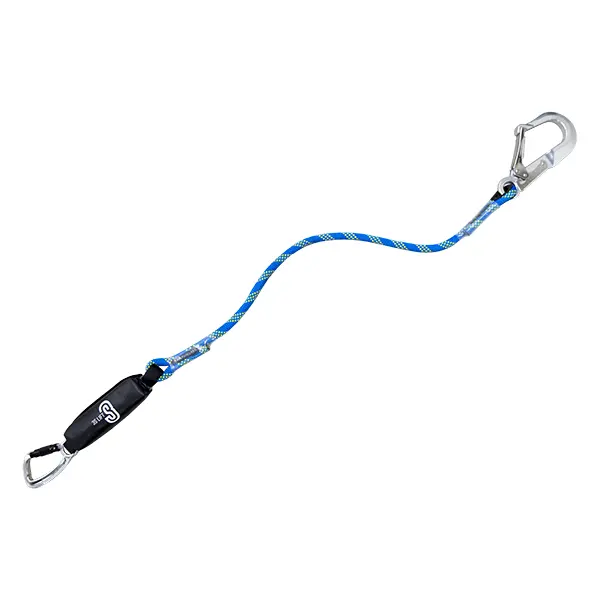
Adjustable Work-Positioning Lanyard
Model
SC-01001
SC-01002
12100510
12100110
Rated load
100 kg
140 kg
100 kg
100 kg
Length
1.5 m
1.5 m
1.5 m
1.5 m
Hardware
Aluminum alloy
Aluminum alloy
Aluminum alloy
Alloy
Opening size
67 mm
67 mm
59.5 mm
55 mm
Standard
CE
CE
/
CE
Here is the table in English based on the image content you provided:
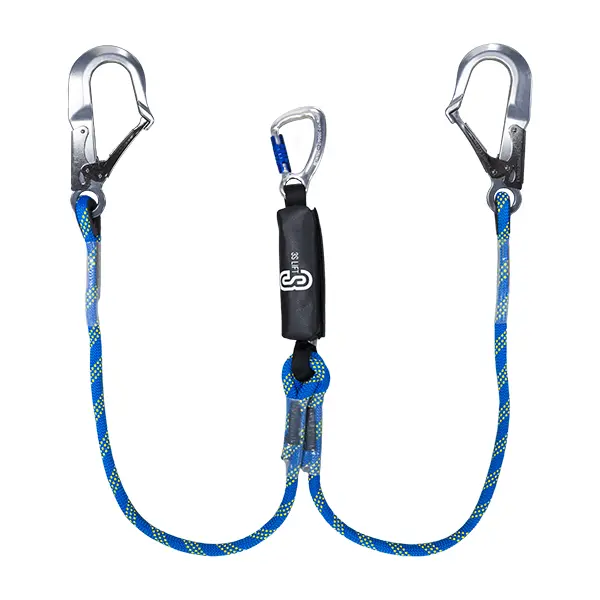
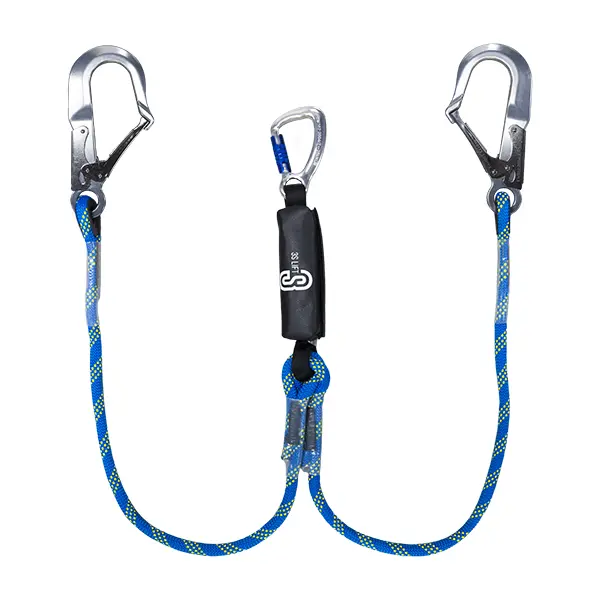
Single-leg Lanyard
SC-02001
100 kg
1.5 m
CE
Flexible Anchor Line
SE-01001
100 kg
7 m / 10 m / 15 m / 20 m
CE
Work Positioning Lanyard
SD-01001
100 kg
≤1.5 m
CE
Work Positioning Lanyard
SD-01002
100 kg
≤5 m
CE
More Description
Full-body harnesses, when integrated with safety lanyards, form an indispensable fall protection system that anchors workers to secure points, preventing catastrophic falls in elevated work environments. These systems adhere to rigorous safety standards such as ANSI Z359 and OSHA regulations, incorporating energy-absorbing lanyards with shock-absorbing packs to reduce impact forces below 6 kN during fall arrest. The combination ensures dynamic load distribution across the harness’s reinforced webbing – strategically positioned over shoulders, thighs, and chest – while maintaining ergonomic mobility.
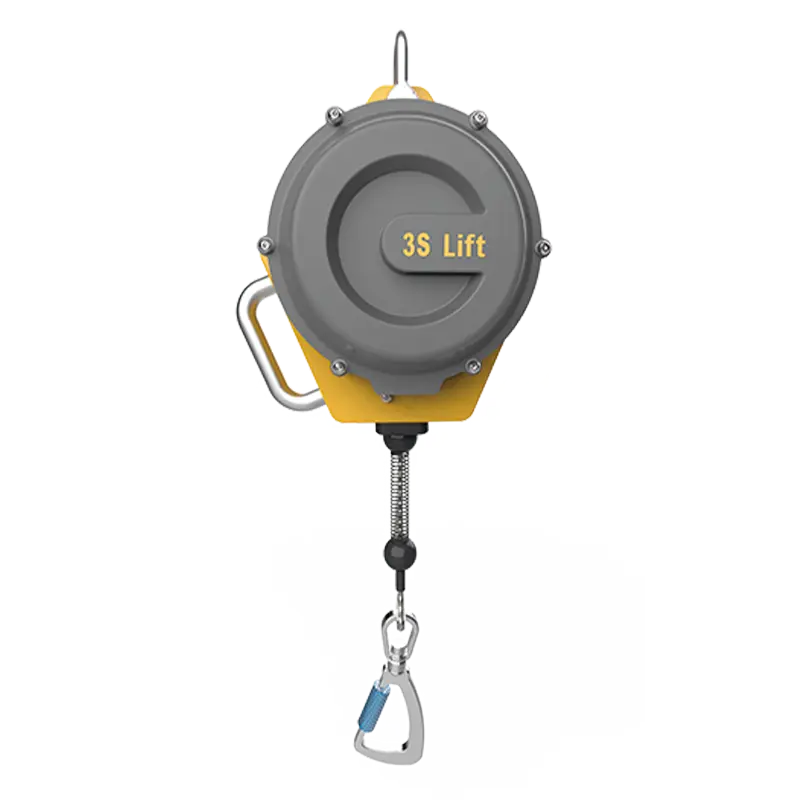
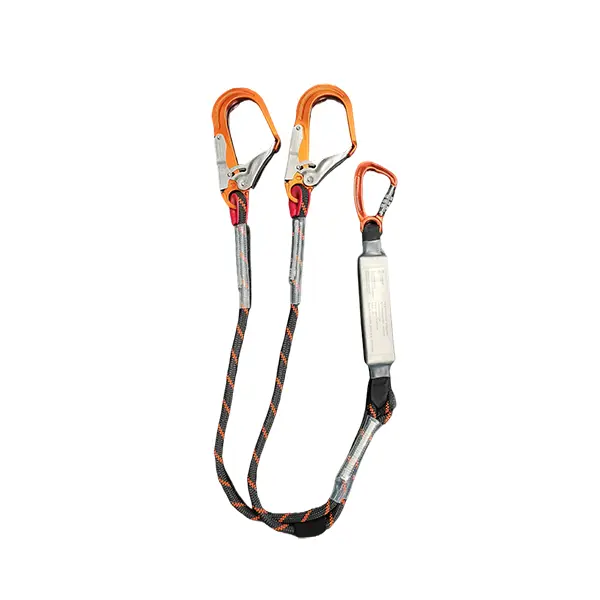
In the wind energy sector, technicians ascending 100-meter turbine towers rely on dual-legged lanyards with twin hooks for continuous protection during vertical climbs. The systems incorporate anti-pendulum designs to prevent collisions with rotating nacelle components. Construction sites employ retractable self-retracting lanyards (SRLs) that automatically tension as workers move across steel beams, with 360° tie-off points on horizontal lifelines. Telecommunications tower crews utilize corrosion-resistant harnesses with integrated tool loops for equipment handling at 200+ foot elevations, often combined with descent rescue devices for emergency scenarios.
The electric powerindustry specifies arc flash-resistant harness materials for substation work, while chemical plants use intrinsically safe models with non-sparking D-rings for explosive atmospheres. Advanced systems now feature integrated IoT sensors that monitor harness integrity, deployment forces, and worker positioning, transmitting real-time data to safety supervisors. Proper use reduces fall-related fatalities by 85% according to NIOSH statistics, making this synergy of harness and lanyard not just compliance-driven, but a critical engineering solution for vertical risk management across industries.



 Ms.Lily International Sales Director
 Join 3S Group