Top Electric Hoist Remote Options for Efficient Lifting Solutions?
In today's industrial landscape, the role of Electric Hoist Remotes is crucial for enhancing lifting efficiency. According to a report by MarketsandMarkets, the global electric hoist market is projected to reach USD 4.9 billion by 2025, driven by increasing demand for automation in material handling. The right Electric Hoist Remote can significantly reduce operator fatigue, enhance safety, and improve workflow in various sectors.
However, many industries still struggle to adopt these advanced technologies effectively. Some operators are unaware of the broad range of features an Electric Hoist Remote can offer. Features like emergency stop functions, customizable speed controls, and load monitoring are often underutilized. This oversight limits potential efficiencies and can result in workplace frustrations. Investing in the right Electric Hoist Remote isn’t just a matter of upgrading equipment; it’s about transforming operational practices for better performance.
As organizations focus on optimizing their lifting solutions, choosing the appropriate remote controls becomes increasingly complex. Each option has its pros and cons. Many users may find themselves overwhelmed by choices. Reflecting on the specific needs of a facility is vital in making informed decisions. Emphasizing on tailored solutions can unlock new levels of operational excellence in lifting applications.
Top Electric Hoist Remote Options for Efficient Lifting Solutions
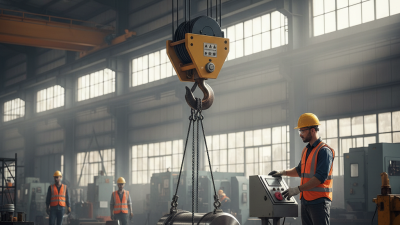
Electric hoists are vital for heavy lifting tasks. Using
remote controls can significantly enhance their efficiency. The right remote allows operators to maneuver loads safely and precisely.
Convenience is key. It reduces the need to be close to the machinery, minimizing risk.
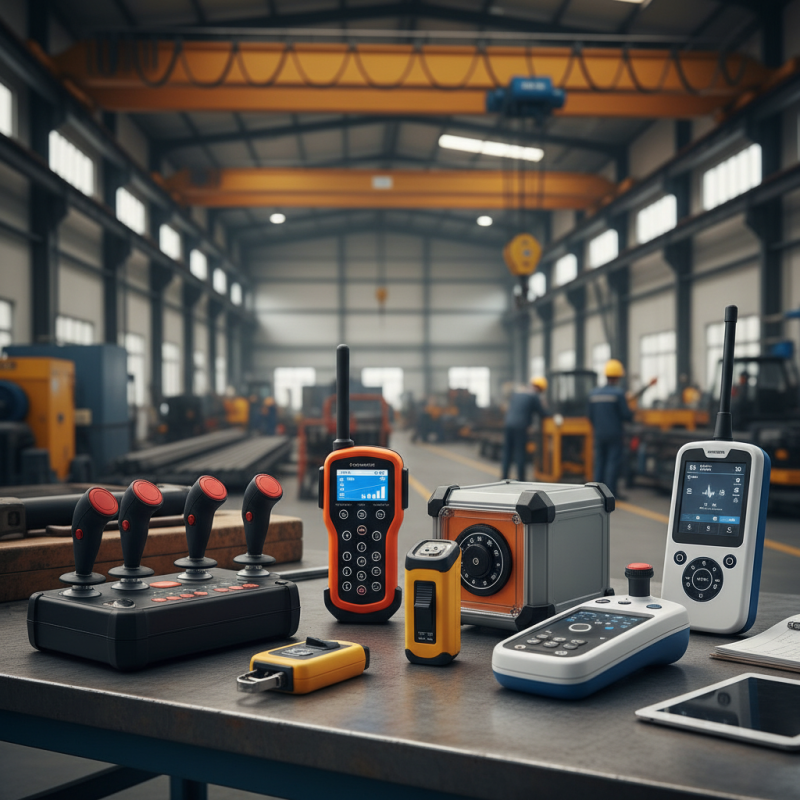
There are various remote options available. Some have simple controls, while others feature advanced settings for specific tasks. The design influences usability. A bulky remote can be cumbersome; it can lead to operational errors.
Smaller, ergonomic remotes can make the process smoother.
The challenge lies in choosing one that fits the work environment.
Operators should also consider battery life. Frequent recharging can disrupt workflows. A reliable power source is crucial for continuous operations. Testing different remote models can help find the best fit. Ultimately, the focus should remain on
efficiency and safety while lifting heavy loads.
Overview of Electric Hoists: Types and Applications in Lifting
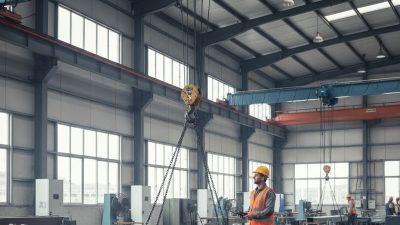
Electric hoists are vital for various lifting applications. They are categorized into several types, including wire rope hoists and chain hoists. Each type has its distinct advantages depending on the load capacity and the lifting environment. According to the Material Handling Industry (MHI), the global electric hoist market is projected to grow at a CAGR of 5.1% from 2022 to 2030. This growth reflects the increasing demand in construction, manufacturing, and warehousing sectors.
Every hoist must match specific needs. For instance, wire rope hoists often handle heavier loads and are more durable. In contrast, chain hoists are lightweight, making them ideal for smaller lifting tasks. Consider the operational environment. Factors like moisture, dust, or temperature can impact hoist performance.
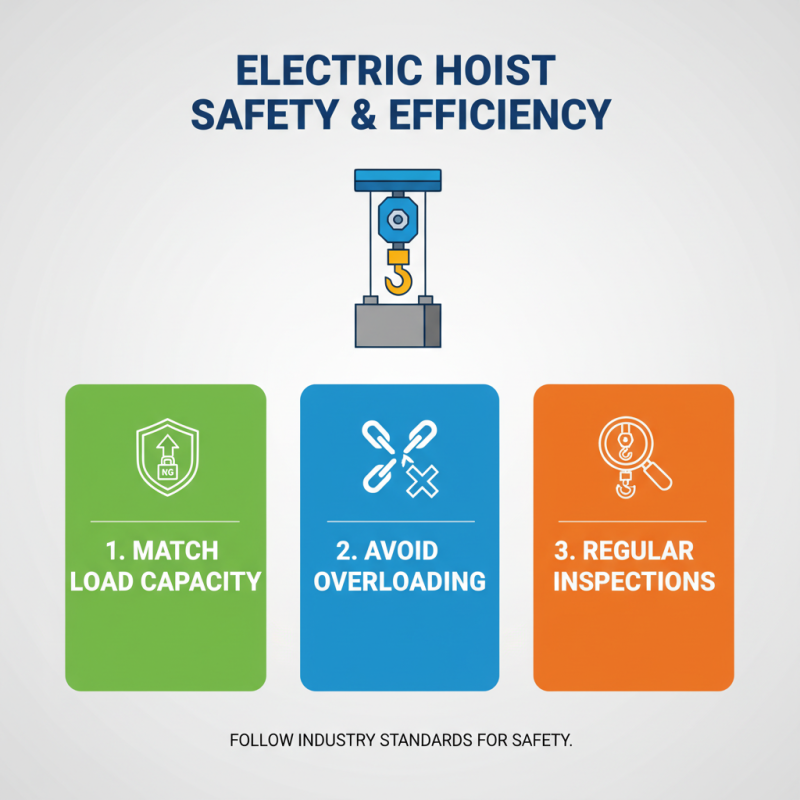
Tip: Regular inspections are crucial for safety. Check wear and tear, especially in high-use scenarios. Understanding the maximum load limits is essential. Overloading can lead to equipment failure and accidents.
In the realm of lifting solutions, electric hoists are advantageous. However, not all models are suitable for every situation. Integration with other lifting tools is necessary for optimal efficiency. Often, users overlook compatibility. Poorly matched equipment can lead to inefficiencies and safety risks.
Prioritize training for operators to maximize performance.
Key Features of Electric Hoist Remotes: What to Look For
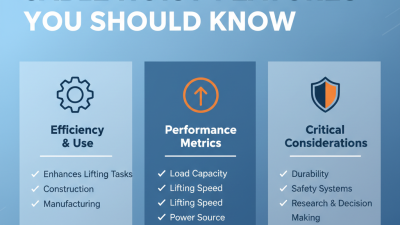
When selecting an electric hoist remote, prioritize usability and safety. Key features can significantly enhance your lifting solutions. Look for remotes with a comfortable grip. This allows for prolonged use without causing hand fatigue. A clearly labeled control panel is essential for quick operations, especially in busy environments.
Wireless options offer flexibility, enabling movement without tangled cords. However, be cautious. Check for any potential signal interference that might disrupt performance. Battery life is crucial. A short battery could lead to unexpected downtimes. Choose remotes that provide easy battery replacement to minimize interruptions.
Tip: Regularly check remote functionality before use. Doing so helps catch any issues early. Additionally, consider the ergonomic design for ease of use. It’s a simple detail that can make a significant impact. Some remotes might be overly complex, which can lead to mistakes. Prioritize devices that offer straightforward controls, even for new users.
Comparative Analysis of Leading Electric Hoist Remote Brands
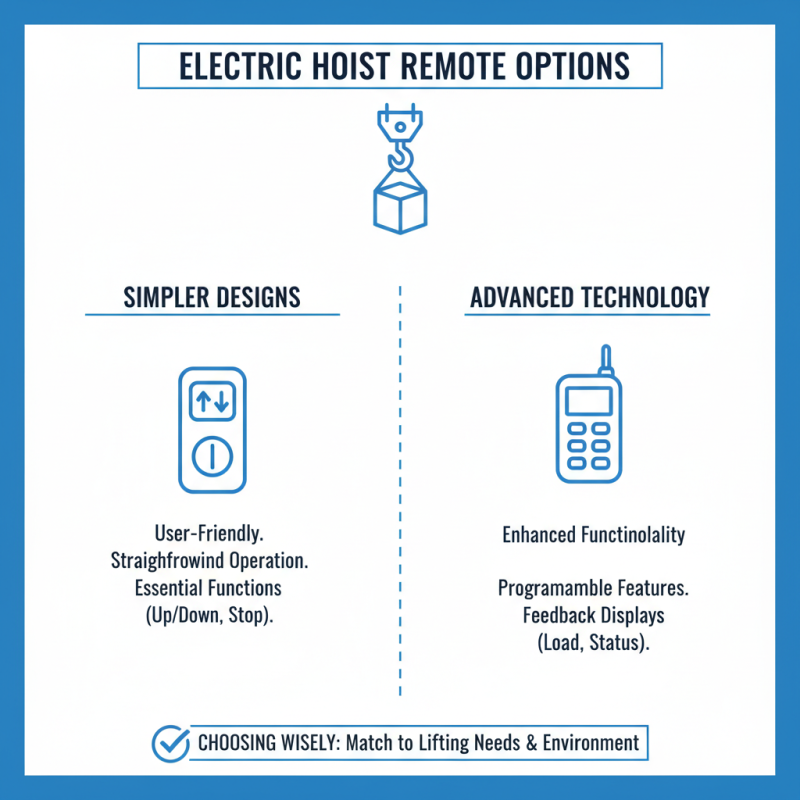
When exploring electric hoist remote options, efficiency is key. Many brands offer features that simplify operations. Some remotes have a straightforward design, making them user-friendly. Others integrate advanced technology, providing enhanced functionality. The right choice can depend on the specific lifting requirements and environment.
However, not all options deliver as expected. Some users report connectivity issues with certain models. This can lead to frustrations during critical lifting tasks. Additionally, the durability of remotes may vary. A robust, weather-resistant design is essential for outdoor use. Evaluating these aspects is crucial for reliable performance.
It's also worth noting the importance of ergonomics in remote design. Some remotes are sleek and lightweight, promoting ease of use. Yet, others may feel bulky, which can hinder maneuverability. Finding the right balance between functionality and comfort is a continuous challenge for manufacturers. As users assess their options, these details play a vital role in making informed decisions.
Conclusion
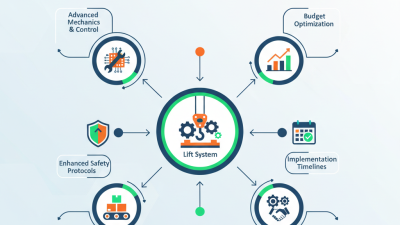
The article "Top Electric Hoist Remote Options for Efficient Lifting Solutions" provides a comprehensive overview of electric hoists, detailing their various types and applications in lifting tasks. It emphasizes the importance of electric hoist remotes, outlining key features that users should consider when selecting a remote control, such as range, durability, and ease of use. Additionally, the article highlights relevant industry standards and safety regulations that govern the use of electric hoists to ensure safe operations.
A comparative analysis of leading electric hoist remote options reveals how different brands compete on functionality and reliability. Finally, the article discusses emerging technologies in electric hoist remote controls, highlighting the trends shaping the future of safe and efficient lifting solutions. Ultimately, this resource serves as a guide for those seeking to enhance their lifting operations with the right electric hoist remote.




 Ms.Lily International Sales Director
 Join 3S Group