Top 10 Benefits of Power Grid Tower Elevators for Your Project?
In the construction and maintenance of electrical power infrastructures, the efficiency of material handling can significantly influence project timelines and safety. Power Grid Tower Elevators are essential tools in this regard, providing effective solutions for lifting heavy loads to elevated structures. A recent industry report from the Global Energy Association indicates that the use of these elevators can reduce labor costs by up to 30%.
Dr. Emily Carter, a respected authority in the field of power infrastructure, states, “Implementing Power Grid Tower Elevators can revolutionize the way projects are handled, making them safer and more efficient.” The benefits extend beyond cost savings. These elevators enhance worker safety by minimizing manual lifting injuries and improving project workflow.
However, not all operations may utilize these technologies to their fullest potential. Misunderstood or underutilized equipment can lead to inefficiencies. It is crucial for project managers to consider the specific needs of their operations. By doing so, they can truly harness the benefits of Power Grid Tower Elevators for optimal project success.
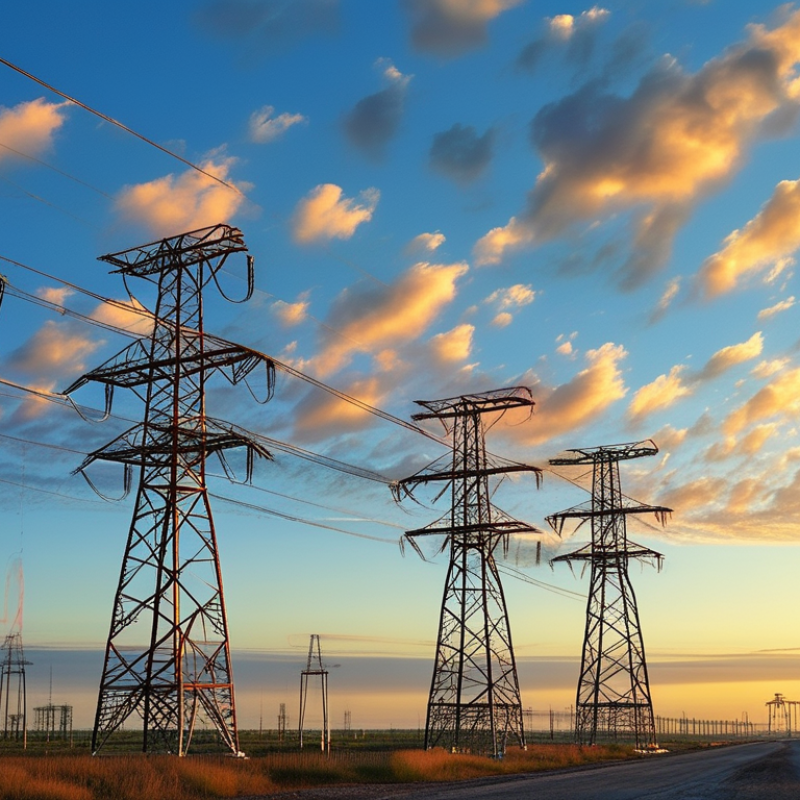
Understanding Power Grid Tower Elevators and Their Functionality
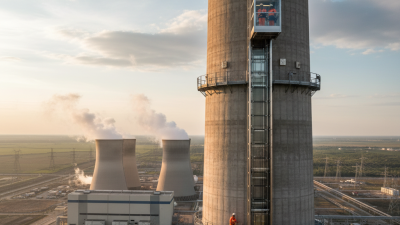
Power grid tower elevators play a crucial role in the efficiency of maintenance and installation tasks. These elevators are designed specifically for vertical transport, allowing workers to safely ascend and descend the towers. By reducing the time spent on these operations, companies can significantly lower their project costs. According to a recent industry report, the integration of such elevators can enhance productivity by up to 30%. This efficiency is essential in industries where time equals money.
In terms of safety, power grid tower elevators provide a stable platform for technicians. Enhanced safety measures help prevent falls and related accidents. The Occupational Safety and Health Administration (OSHA) highlights that proper equipment can reduce workplace injury rates. However, regular inspections and maintenance of these elevators are necessary for optimal performance. Neglecting this aspect may lead to mechanical failures, posing risks to workers.
The functionality of power grid tower elevators extends beyond mere transport. They are engineered to handle heavy tools and equipment, enabling workers to complete complex tasks more efficiently. With reports suggesting that mishandling tools is a leading cause of injury, these elevators help mitigate such risks. Investing in technology that supports worker safety and efficiency is imperative, but companies must remain vigilant to ensure continuous compliance with safety standards.
Enhanced Safety Features of Power Grid Tower Elevators in Projects
Power grid tower elevators are revolutionizing project operations with their enhanced safety features. These elevators minimize the risks associated with height work. Workers can access towers with greater ease and stability. The cages are designed to prevent falls and ensure secure rides. Robust safety harnesses and automatic braking systems further enhance user confidence.
Consider the integration of user training programs. Operators should be well-versed in handling the elevators. Regular drills can help identify potential hazards. Maintenance checks are vital to keep the equipment safe and functional. Any unusual sounds or movements should be reported immediately.
It's essential to remember that not all projects will have the same safety protocols. Adapting the safety measures to fit specific project needs is crucial. Regularly reviewing and updating these protocols can lead to tangible improvements. Keeping safety at the forefront not only protects workers but also promotes efficiency in project timelines.
Top 10 Benefits of Power Grid Tower Elevators
Cost-Efficiency: Financial Benefits of Utilizing Power Grid Tower Elevators
Power grid tower elevators offer significant financial advantages for projects in the utility sector. According to a recent industry report, using these elevators can reduce labor costs by up to 30%. This reduction is vital, especially considering the high wage rates associated with skilled labor in maintenance and construction roles. By minimizing the need for extensive scaffolding and manual lifting, companies maximize efficiency with existing workforce.
Moreover, safety plays a crucial role in cost savings. OSHA data highlights that falls are one of the leading causes of workplace injuries. Implementing power grid tower elevators diminishes the risk of accidents, potentially lowering insurance premiums and liability claims. A safer work environment can also translate to fewer days lost due to injuries, which is a hidden cost often overlooked in project budgets.
Investments in technology such as power grid tower elevators can seem significant. However, when evaluated over time, they present a favorable return on investment. Data shows that projects utilizing these elevators complete tasks faster, leading to earlier project delivery and revenue realization. As projects become more complex, the scalability and versatility of these elevators will likely be essential for future projects. Companies must reflect on their current methods and adapt accordingly. Balancing initial costs with long-term benefits remains a priority for strategic decision-making.
Improved Accessibility and Efficiency in Maintenance Operations
Power grid tower elevators significantly enhance accessibility during maintenance operations. Workers often face challenging heights and uneven terrain. Elevators provide a stable and safe way to reach components that require inspection or repair. This efficiency leads to quicker turnaround times for critical tasks. When maintenance is frequent, time-saving becomes essential.
Moreover, these elevators reduce the risk of accidents. Traditional methods, like ladders, pose serious safety hazards. By eliminating these methods, we enhance workplace safety and encourage a culture of care. Maintenance teams can focus on their tasks without the fear of falling or injury. However, operators must still be trained effectively to ensure safe operations.
Despite their advantages, not all installations proceed smoothly. Factors like environmental conditions can affect operational effectiveness. Regular assessments are necessary to identify potential issues early. Communication among teams is crucial to adjust protocols based on real-time data. This reflective approach ensures that the benefits of power grid tower elevators are maximized without overlooking safety.
Environmental Impact and Sustainability of Power Grid Tower Elevators
Power grid tower elevators play a vital role in enhancing sustainability in construction projects. These elevators facilitate safer and more efficient access to tower structures. They minimize the need for scaffolding and reduce the carbon footprint associated with manual labor.
However, reliance on machinery can sometimes exceed planned environmental standards.
The use of power grid tower elevators often results in less waste. Traditional methods can lead to extensive resource use. Employing elevators helps streamline operations and conserves materials. On the downside, maintaining and powering these elevators can contribute to environmental concerns. Energy sources for operation may not always align with sustainability goals.
Regular assessments of these elevators' environmental impact are essential. Companies must ensure they utilize eco-friendly fuels and materials. This ongoing evaluation can reveal areas for improvement and reinforce sustainable practices. Striking a balance between efficiency and environmental responsibility remains a challenge in the industry.




 Ms.Lily International Sales Director
 Join 3S Group