Top 10 Benefits of Using Electric Cable Hoists for Your Business?
In the fast-paced world of industry, efficiency and safety are paramount. Electric cable hoists have become essential tools that can enhance productivity and reduce risk. Experts, like James Baker, a leading specialist in material handling, emphasize their value. He once stated, "Utilizing an Electric Cable Hoist can drastically reduce labor costs and improve safety standards in the workplace."
These powerful machines are designed to lift heavy loads with ease. They operate quickly, which allows for a smoother workflow. Businesses that implement electric cable hoists often see significant time savings. However, some operators may overlook maintenance, which can lead to costly repairs. It's vital to recognize the balance between using advanced technology and ensuring proper care.
The benefits of electric cable hoists are numerous, but not all businesses fully realize their potential. Incorporating these tools requires thoughtful planning and training. Companies must invest time in educating their teams about best practices. By doing so, they can maximize the advantages of the electric cable hoist while minimizing risks. Embracing this technology is a step towards a more efficient future.
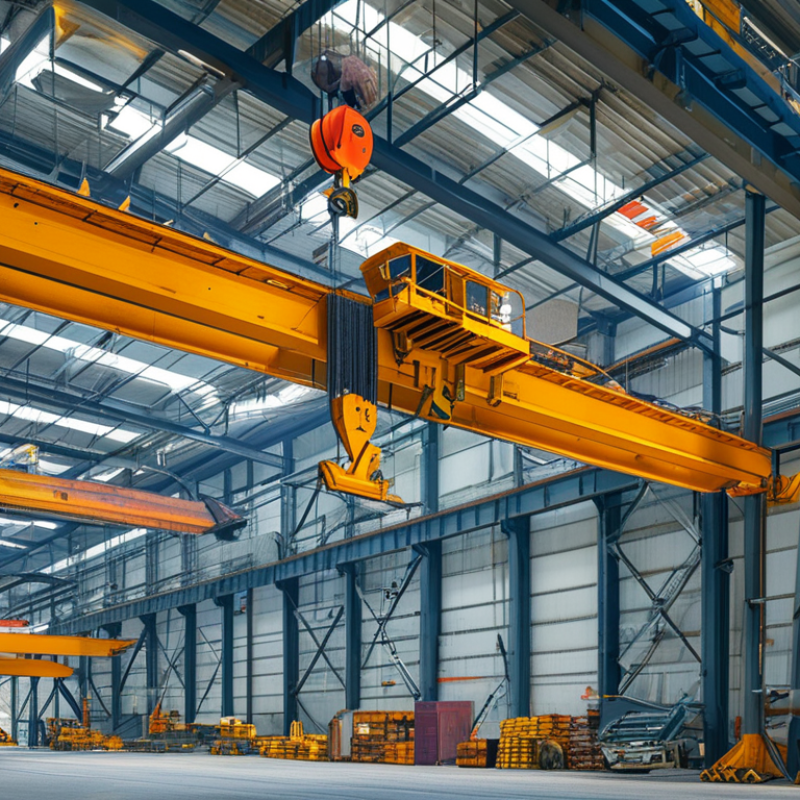
Advantages of Electric Cable Hoists in Business Operations
Electric cable hoists have become essential tools in various business operations. Their ability to lift heavy loads efficiently can significantly enhance productivity. They reduce the physical strain on workers, leading to a safer workplace. This is especially crucial in environments like warehouses and construction sites, where heavy lifting is routine.
Moreover, electric cable hoists can save time. Manual lifting is slow and prone to errors. With the power of electric hoists, tasks that once took hours can now be completed in minutes. This speed is not just about efficiency; it also leads to cost savings. Reduced labor hours mean more resources can be allocated elsewhere.
Yet, it is important to acknowledge the potential downsides. Not all electric hoists are created equal. Poor maintenance can lead to malfunctions, which may cause delays. Understanding this equipment is crucial for safety and reliability. Proper training for operators is essential to maximize the benefits while minimizing risks. Balancing the advantages and risks of electric cable hoists can lead to better business outcomes.
Top 10 Benefits of Using Electric Cable Hoists for Your Business
Improved Efficiency and Productivity with Electric Hoists
Electric cable hoists are revolutionizing how businesses operate. They enhance efficiency in material handling tasks. Traditional methods, such as manual lifting, are time-consuming and prone to injuries. According to a report from the Occupational Safety and Health Administration, about 30% of workplace injuries result from improper lifting techniques. Electric hoists can mitigate these risks significantly.
By automating the lifting process, electric hoists reduce the time required for loading and unloading. Research shows that businesses employing electric hoists report a 25% increase in productivity. With the ability to lift heavier loads quickly, operations become smoother. Staff can focus on other tasks, optimizing workflows.
However, adopting electric hoists is not without challenges. Initial investment costs can be high. Training staff to use this equipment safely is crucial. Without proper training, accidents may occur, nullifying the productivity gains. Regular maintenance is essential to ensure reliability. Failures during operation can lead to project delays and increased costs. Balancing these challenges with the benefits requires careful planning and implementation.
Enhanced Safety Features of Electric Cable Hoists
Electric cable hoists offer significant safety upgrades for businesses. These devices are designed to lift loads with reduced risk of accidents. The built-in safety features, such as overload protection and emergency stop buttons, protect workers from potential hazards. Operators can feel secure knowing that these hoists are engineered with safety as a priority.
Furthermore, electric cable hoists typically feature ergonomic controls. This design minimizes the physical strain on operators, leading to better focus and efficiency. Users often note how simple controls enhance workflow without the need for intense physical effort. However, training is still essential, even with advanced technology. Misuse can happen, and proper education is vital to prevent accidents.
The visibility of safety indicators on electric hoists also plays a crucial role. Brightly colored lights signal the hoist's status clearly. This feature helps avoid confusion in busy work environments. Yet, there are concerns about reliance on technology. Despite advancements, human error can occur. Ensuring frequent checks and maintenance is necessary to maintain safety standards throughout operations.
Top 10 Benefits of Using Electric Cable Hoists for Your Business - Enhanced Safety Features of Electric Cable Hoists
| Benefit |
Description |
Impact on Business |
| Improved Safety |
Electric cable hoists come equipped with various safety features that reduce the risk of accidents. |
Lower insurance costs due to reduced workplace accidents. |
| Enhanced Precision |
Electric hoists offer precise control over lifting operations, minimizing damage to goods. |
Increased efficiency in handling sensitive materials. |
| Reduced Labor Costs |
With automated lifting, fewer workers are needed for operations. |
Lower operational costs, optimizing workforce deployment. |
| Energy Efficiency |
Electric hoists consume less energy compared to traditional systems. |
Reduced energy bills leading to significant cost savings. |
| Versatility |
Capable of lifting a variety of loads, electric hoists can be adapted for multiple applications. |
Increased flexibility in operations across different sectors. |
| Quick Setup |
Electric hoists are easy to set up and can be ready for use in a short time. |
Minimized downtime during transitions between operations. |
| Low Maintenance |
Electric hoists typically require less maintenance compared to mechanical systems. |
Cost-efficiency in maintenance and repairs. |
| Built-In Safety Features |
Many models come with overload protection and emergency stop functions. |
Enhanced safety compliance and decreased liability risks. |
| Remote Operation |
Options for remote controls minimize direct operator exposure to hazards. |
Increased operator safety and comfort while working. |
| Environmental Impact |
Electric hoists produce no emissions, thus being eco-friendly. |
Positive brand image and compliance with environmental regulations. |
Cost-Effectiveness and Maintenance Considerations
Electric cable hoists offer significant cost advantages for businesses. They typically have lower purchase costs compared to hydraulic models. According to industry reports, electric hoists can reduce energy consumption by up to 30% over time. This leads to noticeable savings in utility bills. Lower maintenance requirements add to their cost-effectiveness, reducing downtime and expenses related to repairs.
Tip:
Regular servicing of electric hoists can extend their lifecycle significantly. Simple checks, like inspecting cables and motors, can prevent major breakdowns.
Maintenance considerations are vital. While electric hoists need less upkeep than manual systems, they still require attention. Dust and debris can affect performance. Neglecting routine maintenance can lead to costly repairs. Industry experts suggest scheduling monthly inspections to ensure smooth operation.
Tip:
Keep a maintenance log to track service dates and issues. This practice enhances reliability and performance over time.
Versatility and Adaptability in Various Industries
Electric cable hoists offer unmatched versatility across various industries. Their adaptability makes them essential tools in construction, manufacturing, and logistics. According to a report by MarketsandMarkets, the global hoist market is projected to reach $4.62 billion by 2025, driven by the increasing need for efficient lifting solutions. This growth highlights the importance of integrating electric cable hoists into operations.
In construction, electric cable hoists streamline workflows. They can lift heavy loads with precision, reducing downtime. The construction industry alone accounts for 30% of hoist usage, showcasing their critical role. Furthermore, these hoists are portable, enabling easy relocation on job sites. For manufacturing, their ability to handle different materials enhances production rates. Data indicates that companies using such equipment see a 20% increase in efficiency. However, integrating them requires training and adaptation, which some businesses overlook.
In the logistics sector, electric cable hoists are indispensable for optimizing supply chains. They facilitate swift loading and unloading processes, which can save time and labor costs. Yet, not all companies maximize their potential. There is a learning curve associated with operating electric hoists safely. Addressing these challenges can lead to significant long-term benefits. Balancing innovation and training is crucial for harnessing their full capabilities.



 Ms.Lily International Sales Director
 Join 3S Group