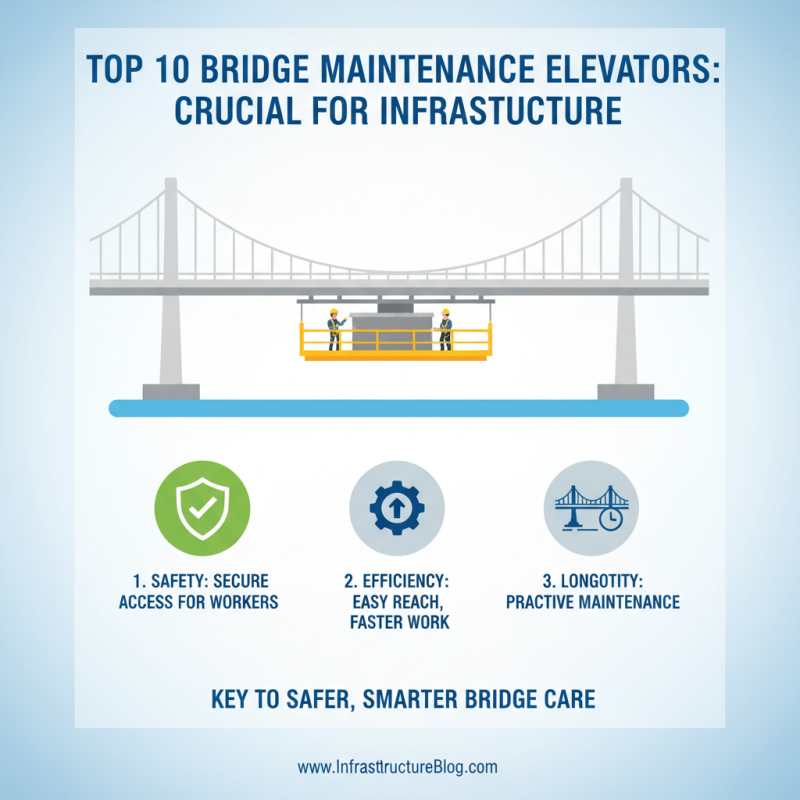
Top 10 Bridge Maintenance Elevators You Should Know?
Bridge Maintenance Elevators play a crucial role in ensuring infrastructure safety and longevity. According to a recent report by the Federal Highway Administration, nearly 37% of U.S. bridges are over 50 years old. These aging structures require regular maintenance to prevent deterioration and safety hazards. A reliable Bridge Maintenance Elevator can significantly enhance efficiency in accessing hard-to-reach areas for inspections and repairs.
In today's fast-paced construction environment, choosing the right Bridge Maintenance Elevator is essential. Various models cater to different bridge designs and maintenance needs. Data shows that using specialized equipment can reduce maintenance time by up to 30%, thereby decreasing overall project costs. However, while some companies invest in the latest technology, others may overlook crucial maintenance practices, leading to increased risks.
While advancements in Bridge Maintenance Elevators have improved safety standards, there remains a gap in operator training and equipment readiness. With growing demands for infrastructure integrity, it’s vital to reflect on how these factors impact overall performance. A comprehensive understanding of available options will aid professionals in making informed decisions for bridge maintenance.
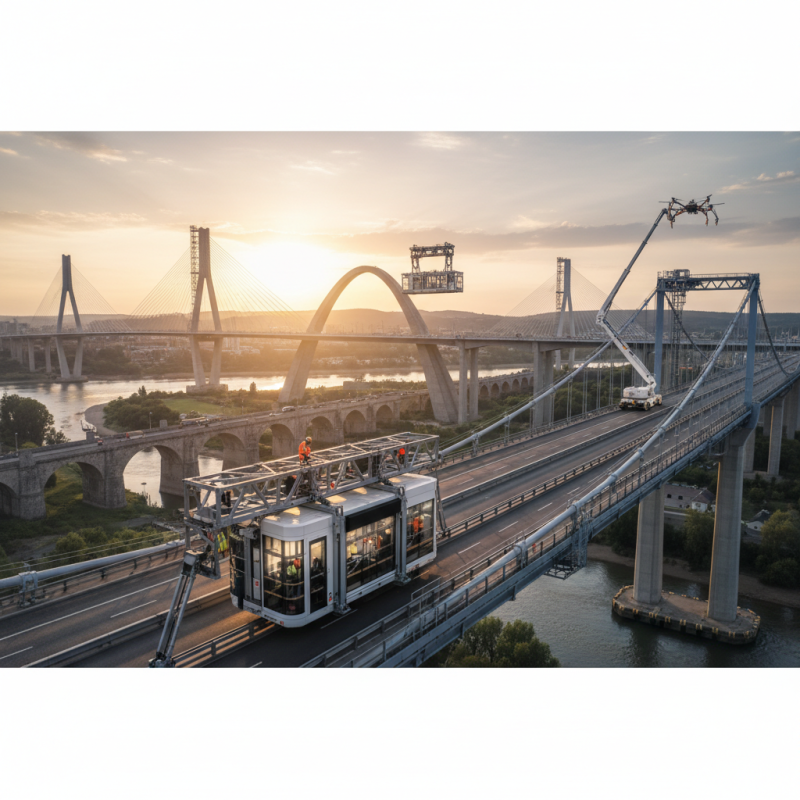
Overview of Bridge Maintenance Elevators and Their Importance
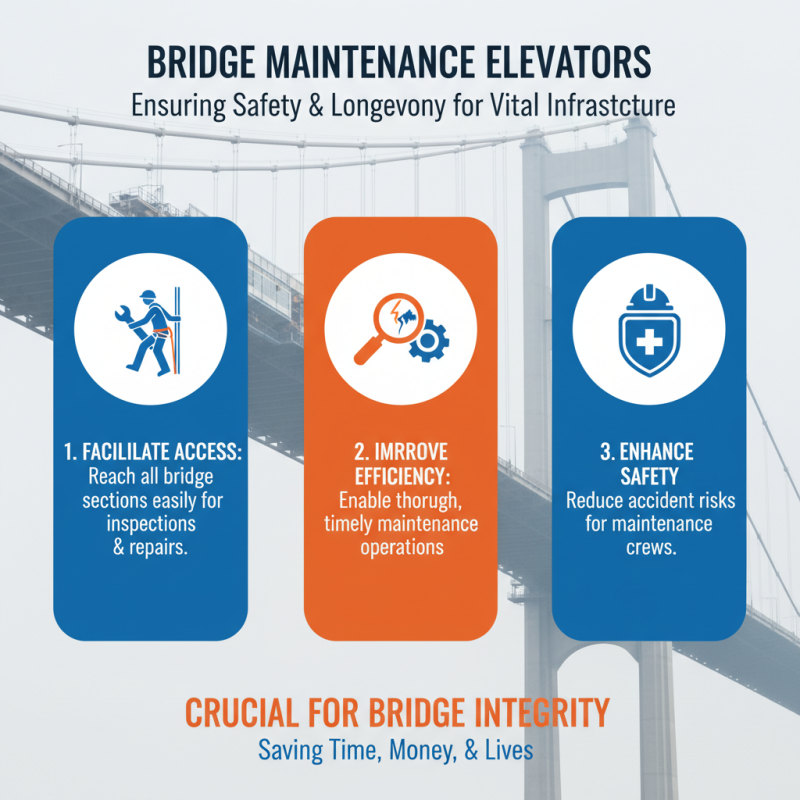
Bridge maintenance elevators play a crucial role in ensuring the safety and longevity of vital infrastructure. These specialized devices facilitate access to different parts of a bridge, allowing workers to conduct inspections and repairs. Without proper access, maintenance becomes more challenging and less effective. The importance of these elevators cannot be understated, as they significantly reduce the risk of accidents during maintenance operations.
The design of bridge maintenance elevators varies depending on the type of bridge and its unique needs. High-strength materials are often used to ensure durability and stability. Factors such as load capacity, height, and maneuverability are considered during the design process. However, not all solutions are perfect. There will always be challenges in ensuring that these elevators are easy to operate and safe in variable weather conditions.
In recent years, advancements have been made to improve their efficiency. Yet, concerns about reliability still arise. Incidents caused by equipment failure can have devastating consequences. Regular inspections and upgrades are necessary to maintain functionality. Operators must be trained thoroughly to minimize risks. Although we've made progress, continuous improvements are essential for bridge maintenance elevators to fully meet their critical role in infrastructure safety.
Key Features to Consider When Selecting a Bridge Maintenance Elevator
Selecting the right bridge maintenance elevator is crucial for ensuring worker safety and project efficiency. Key features to consider include load capacity, reach and maneuverability. According to a report by the Construction Industry Institute, elevators should safely support loads of 1,000 pounds or more to accommodate workers and tools. An insufficient load capacity can lead to serious incidents.
Another consideration is the elevator’s reach. A model that extends at least 50 feet is often necessary for larger structures. This reach prevents workers from needing to reposition frequently, which can waste time. The combination of reach and maneuverability determines how efficiently tasks can be completed.
Additionally, assess the technology used in these elevators. Built-in safety features such as emergency braking systems and anti-rollback devices are essential. A study from the Occupational Safety and Health Administration (OSHA) emphasizes that these features significantly reduce the risk of accidents. Regular maintenance and rigorous inspections are also vital to ensure reliability. Despite careful planning, equipment failures can occur. It's important to develop contingency plans for such scenarios.
Top 10 Bridge Maintenance Elevators - Key Features Comparison
Top 10 Bridge Maintenance Elevators: A Comprehensive Review
Bridge maintenance elevators play a crucial role in ensuring the safety and longevity of infrastructure. They allow workers to access hard-to-reach areas with ease. The right elevator can make a significant difference in efficiency and safety during maintenance operations.
When considering the various types of bridge maintenance elevators, factors such as weight capacity and height range are critical. Some designs enhance maneuverability, allowing for precise placement. On the other hand, certain models might lack stability, especially in adverse weather.
Selecting the appropriate elevator requires careful evaluation of each model's strengths and weaknesses. Climatic conditions can affect performance, leading to potential risks. Understanding these nuances can help operators make informed decisions. Regular training is essential for workers to handle any issues that may arise during maintenance tasks.
Comparative Analysis of Maintenance Elevators: Pros and Cons
When considering bridge maintenance elevators, a comparative analysis reveals various pros and cons. These elevators are crucial for accessing hard-to-reach areas during inspections and repairs. Their mobility and flexibility enhance efficiency. However, these systems often come with limitations that must be noted.
On one hand, maintenance elevators improve worker safety. The platforms provide stability and allow for easy maneuvering. This greatly reduces risks associated with working at height. On the other hand, some designs may not offer adequate load capacity. This can slow down the maintenance process, forcing workers to make multiple trips. Moreover, the initial investment in quality elevators can be high.
Another aspect to consider is the maintenance of the elevators themselves. Frequent use can lead to wear and tear. Regular checks are essential but can be time-consuming. It raises questions about operational downtime. When weighing the benefits against potential drawbacks, it is clear that informed decisions are crucial. Each project may require different types of elevators, highlighting the need for tailored solutions.
Future Trends in Bridge Maintenance Elevator Technology
The future of bridge maintenance elevator technology is evolving swiftly. As bridges age, innovative solutions are crucial for ensuring safety and efficiency. Modern elevators designed for bridge maintenance emphasize lightweight materials. These materials improve durability and reduce wear and tear.
Recent advancements focus on automated systems. These systems enhance precision and reduce the need for manual intervention. Remote monitoring capabilities allow for real-time health assessments. Operators can now track elevator performance from a safe distance. However, this technology may not be foolproof. There are still concerns about cyber vulnerabilities and reliability.
Sustainability is another trend gaining traction. Eco-friendly power sources are being integrated into elevator designs. This shift reduces environmental impact and lowers operation costs. Yet, developers must consider the balance between innovation and practicality. The implications of these advancements on workers' safety remain a critical point for discussion.
Top 10 Bridge Maintenance Elevators You Should Know
| Rank |
Model |
Weight Capacity (lbs) |
Height Reach (ft) |
Power Source |
Key Features |
| 1 |
Model A100 |
2,000 |
100 |
Electric |
Compact design, quick setup |
| 2 |
Model B200 |
3,500 |
120 |
Diesel |
Rugged build, high mobility |
| 3 |
Model C300 |
4,000 |
150 |
Hybrid |
Eco-friendly, low noise |
| 4 |
Model D400 |
5,000 |
175 |
Electric |
High load capacity, advanced safety |
| 5 |
Model E500 |
2,500 |
130 |
Gas |
Lightweight, portable |
| 6 |
Model F600 |
6,000 |
200 |
Electric |
Smart technology, automated controls |
| 7 |
Model G700 |
4,200 |
160 |
Diesel |
Heavy-duty, all-terrain |
| 8 |
Model H800 |
3,800 |
140 |
Hybrid |
Reliable, fuel-efficient |
| 9 |
Model I900 |
5,500 |
180 |
Electric |
User-friendly interface, enhanced safety features |
| 10 |
Model J1000 |
7,000 |
250 |
Diesel |
Maximum capacity, highest reach |



 Ms.Lily International Sales Director
 Join 3S Group