Why Power Grid Tower Elevator is Essential for Efficient Operations?
The importance of the Power Grid Tower Elevator cannot be overstated. In the realm of utility maintenance, efficiency is key. Workers often face the daunting task of accessing high-altitude power grid towers. Traditional methods can be slow and hazardous. This is where the Power Grid Tower Elevator plays a critical role.
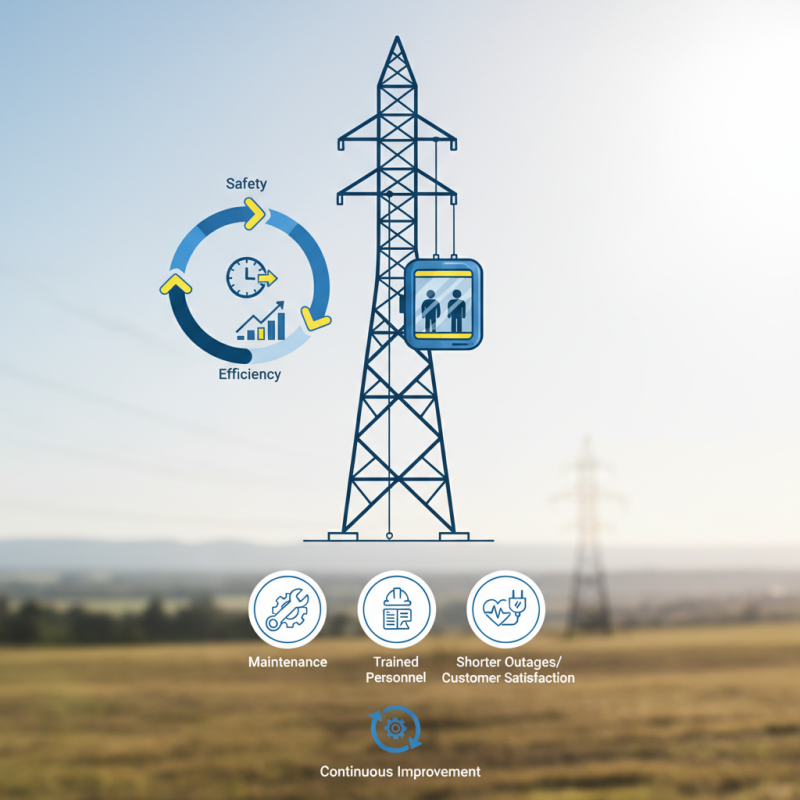
Equipped with advanced technology, these elevators ensure safety and speed. They reduce the physical strain on workers, allowing for safer operations. Imagine a scenario where a crew can ascend a tower swiftly. They can complete maintenance tasks in half the time. This efficiency translates to shorter outages and happier customers. Yet, challenges remain in optimizing these systems.
Each Power Grid Tower Elevator requires regular maintenance and checks. Overlooking these could lead to failures and hazards. Companies must invest time to train personnel properly. Improving operational efficiency is a journey, not a destination. Adopting these elevators represents significant progress, but it’s crucial to refine their use continuously.
Importance of Power Grid Tower Elevators in Energy Infrastructure
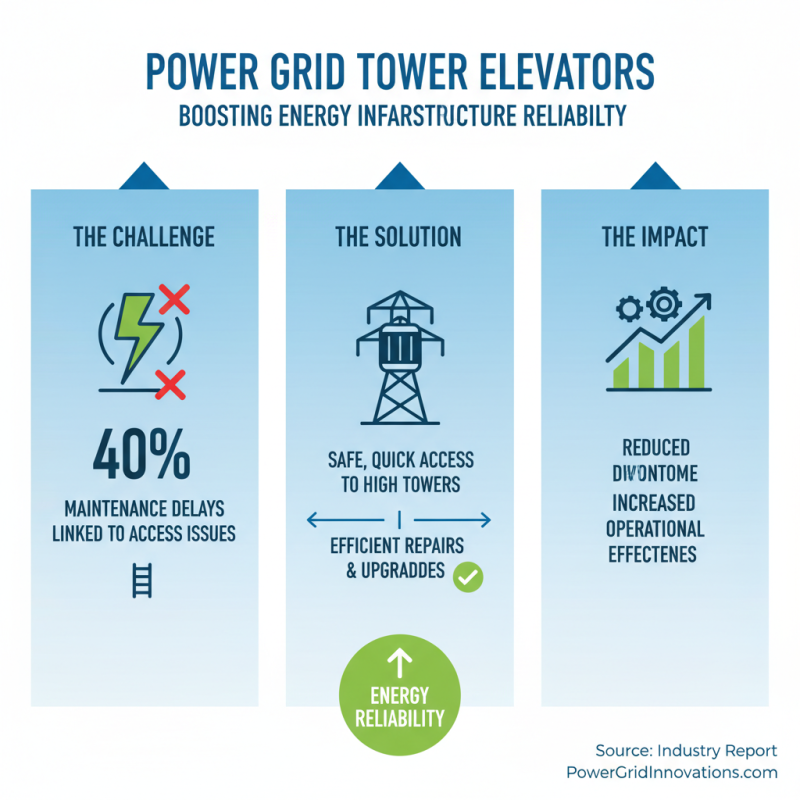
Power grid tower elevators play a crucial role in energy infrastructure. According to a recent industry report, over 40% of maintenance delays are linked to access issues. These elevators provide safe, quick access to high towers. Workers can perform repairs and upgrades efficiently. Reducing downtime is critical for operational effectiveness.
The integration of tower elevators improves safety significantly. Many accidents occur during manual ascents and descents. Industry statistics suggest that 30% of accidents in electricity sectors are attributable to height-related work. With elevators, workers face fewer risks. They can focus on tasks instead of worrying about climbing.
Despite the benefits, not all regions employ this technology. Many power companies still rely on traditional methods. This can lead to inefficiencies. Embracing modern solutions, like tower elevators, could enhance operational performance. They not only save time but ensure a safer work environment. As infrastructure demands grow, adapting to new tools should become a priority.
Key Benefits of Using Elevators for Tower Maintenance and Operations
Power grid tower maintenance requires efficiency and safety. Elevators designed for these towers play a crucial role. They allow technicians to reach high altitudes quickly. With these elevators, routine inspections become less time-consuming.
Safety is enhanced as workers are less exposed to risks while climbing. The stability provided by an elevator is invaluable during adverse weather.
Another benefit is the improved logistics of transporting equipment. Heavy tools and parts can be moved effortlessly. This minimizes wear and tear on personnel and gear. However, maintaining these elevators is essential. Neglected machines can cause delays and safety hazards. Regular checks and balances are necessary to prevent issues.
While elevator technology offers significant advantages, it is not infallible. Technical malfunctions, although rare, do happen. Operators must be trained to respond to issues swiftly. An elevator’s reliance on power can lead to challenges in remote areas. Backup systems and manual solutions should always be considered. Each installation and operational setup may require unique considerations. Balancing efficiency with safety continues to be a learning journey.
Safety Enhancements Provided by Elevator Systems in Power Grids
The integration of elevator systems in power grid towers plays a crucial role in enhancing safety. Traditional methods of maintenance often involve climbing tall structures, posing risks to workers. In fact, according to the National Fallen Worker Survey, over 10% of work-related fatalities occur due to falls. Installing elevators minimizes this risk. Workers can perform inspections and repairs from a secure platform.
Elevators also streamline the logistics of transporting tools and materials. The estimated cost of accidents and downtime in the energy sector can reach millions annually. Data from industry studies shows that using elevators can reduce these costs by up to 30%. Efficient operations not only save money but also lead to quicker response times during outages.
However, implementing elevator systems is not without its challenges. Regular maintenance is crucial to ensure their safety and operational efficiency. Neglecting these aspects can lead to significant hazards. Furthermore, there is still room for improvement in elevator technology. Companies must adapt to evolving needs while maintaining rigorous safety standards. Balancing innovation and reliability remains a critical focus in the energy sector.
Why Power Grid Tower Elevator is Essential for Efficient Operations? - Safety Enhancements Provided by Elevator Systems in Power Grids
| Feature |
Benefit |
Impact on Operations |
Safety Enhancements |
| Accessibility |
Easier access to tall towers |
Reduces downtime |
Minimizes fall risks |
| Time Efficiency |
Faster maintenance operations |
Increases operational output |
Reduces emergency risk during maintenance |
| Load Capacity |
Ability to carry heavy tools and equipment |
Improves service speed |
Promotes worker safety while transporting equipment |
| Regular Maintenance |
Ensures ongoing functionality |
Reduces long-term repair costs |
Enhances overall site safety |
| Technological Integration |
Advanced control systems |
Better data management |
Automated safety checks |
Impact on Operational Efficiency and Cost Savings with Elevators
In the realm of power grid operations, every detail matters. Elevators for power grid towers are often overlooked. Yet, these tools play a vital role in enhancing operational efficiency. By providing quick access to elevated structures, they minimize downtime. This is crucial in emergency situations where every second counts.
With elevators, workers can transport tools and equipment more effectively. Reduced manual lifting decreases the risk of injuries. Less time spent on physically demanding tasks means more focus on critical operations. This shift can lead to significant cost savings. Companies may find that investing in elevators pays off through increased productivity.
However, the implementation of elevators is not without challenges. Initial investments can be steep. There may also be maintenance concerns that require attention. Reflecting on these factors is important. Organizations must weigh the costs against the benefits of having such a system in place. Embracing this technology can ultimately lead to a more efficient operation.
Impact of Power Grid Tower Elevators on Operational Efficiency and Cost Savings
Future Trends in Power Grid Elevators and Technological Innovations
The future of power grid elevators is closely linked to
technological innovations that enhance efficiency. According to a recent industry report, the global
elevator market is projected to grow at a CAGR of 7% by 2028. This growth is driven by the
increasing demand for smart and energy-efficient
solutions. Power grid tower elevators are becoming integral for transporting personnel and equipment
to remote locations.
New designs focus on lightweight materials and advanced
automation. These innovations reduce energy consumption significantly. For instance,
regenerative drives can reclaim energy during descents. A study
by industry experts indicates that implementing these technologies could cut energy costs by
up to 30%.
However, challenges remain. Not all regions can quickly adapt to these advancements.
Cybersecurity is another concern. As elevators
become smarter, they could be vulnerable to hacking. The need to address these issues is urgent.
Regulatory bodies are still catching up. Industry stakeholders must collaborate to develop standards.
It's essential to foster dialogue around safety and
efficiency.



 Ms.Lily International Sales Director
 Join 3S Group