How to Plan a Building Renovation Elevator Installation in 2026?
Planning a building renovation elevator installation in 2026 requires careful consideration. As urban spaces evolve, integrating an efficient elevator system is vital. A well-planned Building Renovation Elevator can enhance accessibility and improve building functionality.
Many factors influence the installation process. You must evaluate existing architectural structures. Consideration of space constraints is essential. Coordination with architects and contractors cannot be overlooked. There may be unforeseen challenges in the renovation process, which can disrupt timelines and budgets.
A successful project will ensure a seamless experience for users. Reflect on potential design flaws early in the process. This can save time and resources later on. Communication among all stakeholders will be crucial. As you move forward, always revisit the initial plans. This approach helps keep the project aligned with your goals.
Assessing the Need for Elevator Installation in Building Renovation
When planning a building renovation, assessing the need for an elevator is crucial. Elevators enhance accessibility, especially in multi-story buildings.
Consider the current usage patterns of the building. Are there frequent visitors or residents with mobility challenges? If so, installing an elevator can significantly improve their experience.
Think about the layout of the building. Older structures may lack space for a standard elevator installation. In such cases, a compact or shaft-less elevator might be a better option.
Reflect on the long-term vision for the building as well. Will additional floors be added in the future? If expansion is a possibility, planning for an elevator from the start could save time and money later.
Evaluate the existing infrastructure carefully. Upgrading electrical systems may be necessary to support an elevator. This can complicate the renovation timeline.
It’s essential to have a clear idea of the budget, too. Unexpected costs often arise during renovation projects. Be prepared for this, as it can affect the overall plan for elevator installation.
Understanding Building Codes and Regulations for Elevator Installation
When planning a building renovation with an elevator installation, understanding building codes and regulations is crucial. Each city or region has its own set of codes that dictate elevator specifications. These rules ensure safety, accessibility, and functionality. Familiarize yourself with the local regulations early in the planning process. Checking the latest updates in the building codes is important. Code changes may affect timeline and budget.
Elevators must meet specific standards for size, weight, and accessibility. In 2026, there may be new requirements related to energy use and sustainability. Confirming compliance with these evolving standards can be challenging. There are often grey areas in the codes that require clarification from local authorities. This can lead to delays and added costs. Collaborating with professionals who understand these nuances can mitigate risks and ensure compliance.
Planning also involves considering the space around the elevator. It's not just about the elevator itself. You need to think about entry points, waiting areas, and pathways. Poor planning can lead to an inefficient layout, which might frustrate users. Regularly revisiting your plans and adapting to new information is essential. Designing with flexibility in mind can help address future regulatory changes or user needs.
Budget Planning for Elevator Installation during Renovation Projects
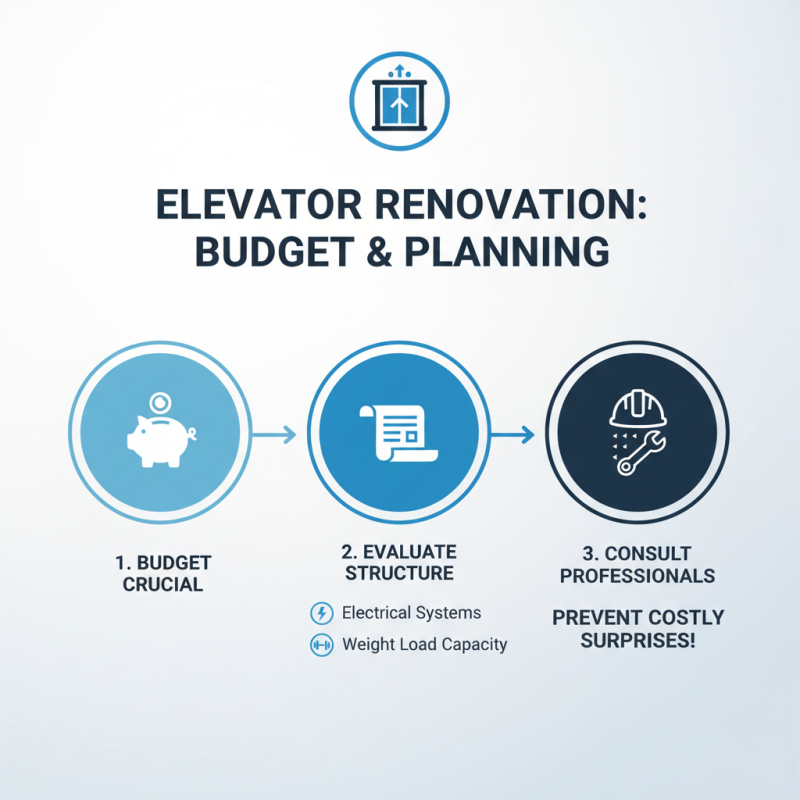
When planning for an elevator installation during a renovation, budget is crucial. Start by evaluating the current structure. This includes understanding existing electrical systems and weight load capacity. Gathering these details early can prevent costly surprises later. It's often a good idea to consult with professionals for accurate assessments.
In your budget, consider all expenses. This includes installation costs, equipment, and labor. Unexpected issues can arise, especially in older buildings. Set aside 10-15% of your budget for contingencies. Shortfalls can lead to delays. Track expenditures closely and make adjustments as needed. Regular reviews help keep projects on target. Additionally, prioritize which features you truly need versus those that are nice to have. This can dramatically affect your budget.
Choosing the Right Elevator Type and Specifications for Your Building
When planning an elevator installation for a building renovation, choosing the right type is crucial. Different buildings have unique needs. A smaller building might benefit from a hydraulic elevator. These elevators are cost-effective and require less space. For larger structures, traction elevators could be a better fit. They are energy-efficient and can handle heavier loads.
Consider the specifications carefully. How many floors will the elevator service? This affects the speed and design required. Think about user accessibility. An elevator must be easy for everyone to use, including those with disabilities. Designing an inviting entrance can enhance the experience.
It’s important to ask questions during planning. Have you consulted with engineers? Understanding space constraints is key. What safety features are necessary? Sometimes, these details are overlooked. Reflect on future needs, too. Will the building expand? Planning ahead can save time and money.
Elevator Types and Their Usage in Building Renovations (2026)
Coordinating with Contractors and Timelines for Elevator Installation
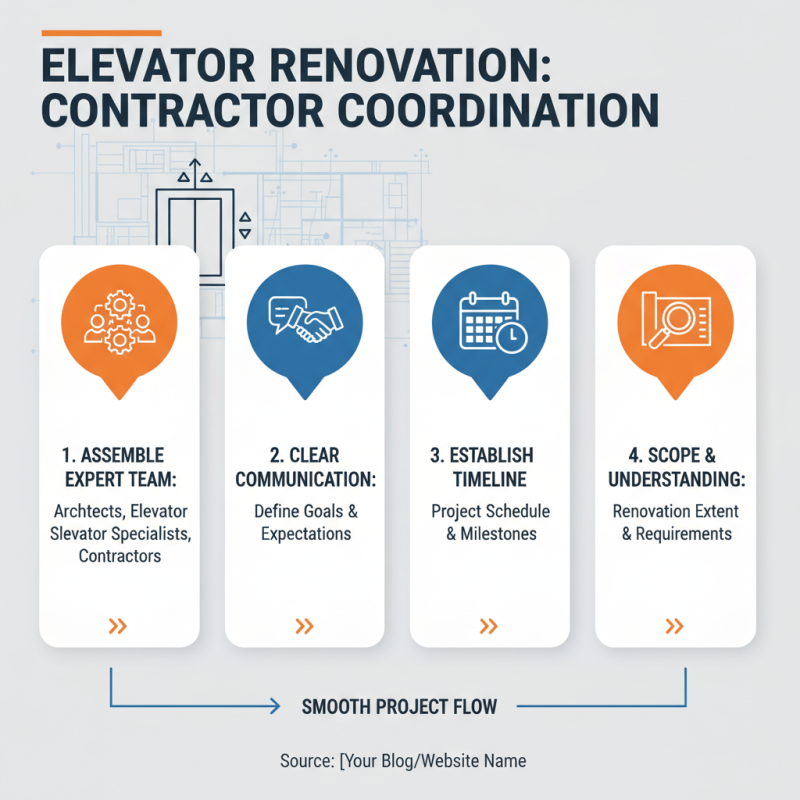
When planning an elevator installation for a building renovation, coordination with contractors is vital. Clear communication can make or break the project. Start by assembling a team of professionals, including architects and contractors experienced in elevator systems. Define your goals and expectations upfront. Make sure everyone understands the timeline and scope of the renovation.
Next, map out the renovation phases. Break down tasks into manageable sections. Allocate specific timeframes for each aspect of the elevator installation. This includes site preparation, assembly, and testing. Delays may arise, so factor in some buffer time. However, remain flexible to adjust timelines as needed. Regular check-ins with contractors will help identify any emerging issues.
Lastly, keep track of progress through meetings and reports. Document any challenges faced during the process. This reflection can provide valuable insights for future projects. An effective renovation requires patience and adaptability. Ensure that everyone is aligned to avoid missteps. A successful elevator installation can enhance accessibility and value in 2026.




 Ms.Lily International Sales Director
 Join 3S Group