Why Do Petrochemical Facilities Need Lifting Equipment?
In the complex world of petrochemical production, the need for robust lifting equipment is paramount. Dr. Emily Carter, a leading expert in industrial engineering, has emphasized, "The efficiency of operations in petrochemical facilities hinges on the right lifting solutions." Petrochemical Facilities Lift play a crucial role in ensuring safety and productivity. They assist in handling large, heavy components that are vital to the manufacturing process.
Using cranes and hoists, these facilities can move materials with precision. When maintenance or installation occurs, these lifts are indispensable. Workers can operate them with reduced risk, ensuring both safety and efficiency on-site. Improper lifting methods can lead to accidents. This highlights the importance of professional training and proper equipment.
Owning reliable lifting equipment is not just a regulatory requirement; it's a necessity. Regular inspections and maintenance should be performed to prevent failure. While many facilities may try to cut costs, overlooking the importance of quality lifts could lead to significant setbacks. Each facility must continuously evaluate their lifting needs to uphold safety and operational excellence.
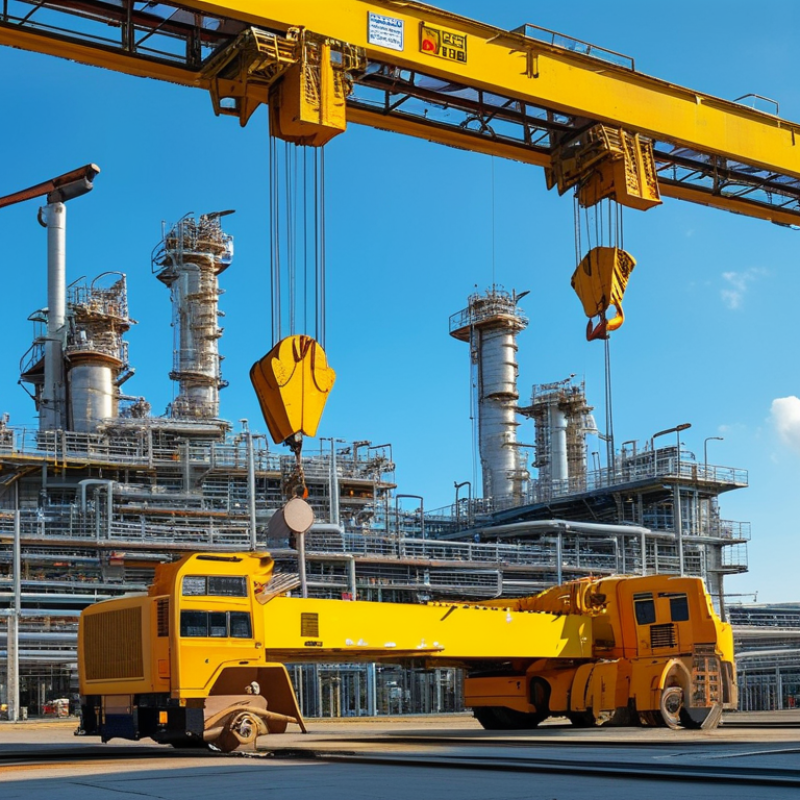
Importance of Lifting Equipment in Petrochemical Industry
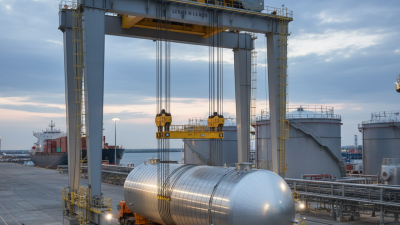
Lifting equipment plays a crucial role in the petrochemical industry. These facilities often handle heavy machinery and materials. For instance, transporting large tanks requires reliable cranes and hoists. This equipment ensures that operations run smoothly and safely.
In harsh environments, lifting equipment must be durable and efficient. Maintenance is key to preventing accidents. Workers need to be trained to use these tools effectively. Sometimes, even well-maintained equipment can fail. Regular inspections are essential to identify potential issues.
Additionally, the use of lifting equipment promotes a better work environment. It minimizes manual handling, reducing strain on workers. However, not all facilities equip themselves adequately. The importance of reliable lifting solutions cannot be overstated. Investing in quality equipment ensures safety and efficiency in operations.
Types of Lifting Equipment Used in Petrochemical Facilities
Petrochemical facilities rely heavily on lifting equipment to enhance operational efficiency and safety. Cranes, hoists, and forklifts are common tools used for transporting heavy materials, such as pipes and tanks. These machines reduce the risk of injury by allowing workers to handle loads without manual lifting. However, ensuring that these machines are properly maintained is crucial. Failure to do so could lead to accidents.
Cranes often handle the heaviest loads in these facilities. They come in various forms, including overhead and mobile cranes. Each type serves specific needs. Hoists, on the other hand, are excellent for lifting smaller loads. They can be mounted on beams or used in conjunction with other equipment. Regular training for operators is necessary, yet many facilities overlook this aspect.
Even the best equipment can fail without routine checks. Inspections for wear and tear should be standard practice, but they are sometimes neglected. Operators must be aware of load limits. Miscalculating weight can lead to catastrophic consequences. The importance of using the right lifting equipment cannot be overstated; it directly impacts the safety and efficiency of operations within petrochemical environments.
Types of Lifting Equipment Used in Petrochemical Facilities
This chart illustrates the distribution of various types of lifting equipment utilized in petrochemical facilities, highlighting their importance in ensuring safe and efficient operations.
Safety Considerations for Lifting Operations in Petrochemical Plants
In the petrochemical industry, lifting operations are critical for moving large equipment and materials. Safety considerations play a vital role in these operations. Slips, trips, and falls can happen, increasing risks for personnel. Clear communication is essential during lifting tasks. Each team member must understand their role completely. Poor coordination can lead to accidents.
Another important aspect is the weight of the loads being lifted. Heavy equipment often requires specialized lifting gear. Operators need adequate training to use this equipment. Misusing lifting tools can result in injuries or worse. Regular inspections of the lifting devices are necessary to ensure they are in safe working condition. Issues like wear and tear must be addressed promptly.
Even with strict safety measures, human error can occur. Operators may overlook safety checks in a rush. It’s vital to foster a culture of safety where employees feel comfortable reporting unsafe conditions. Constant training and reminders about safety protocols can help minimize risks. Attention to detail is essential in inspections and procedures. Creating a workplace that prioritizes safety can prevent tragic outcomes.
Regulatory Standards for Lifting Equipment in Petrochemical Operations
Petrochemical facilities operate under strict regulatory standards. These standards ensure safety and efficiency in lifting operations. Lifting equipment, such as cranes and hoists, is crucial in handling heavy materials and equipment. They aid in transporting chemicals, which can be hazardous.
Using the right lifting equipment minimizes accidents. Regulatory bodies require regular inspections and certifications. Facilities must document their compliance with these standards. This documentation adds a layer of accountability and ensures safety in operations. Employees receive training on using this equipment to prevent mishaps. However, oversight can sometimes be lax, leading to equipment failures.
Penalties for non-compliance can be severe. Facilities risk fines and operational shutdowns. Balancing compliance with operational demands is challenging. Inadequate attention to lifting equipment can lead to accidents. A culture of safety and adherence to regulations is essential in the petrochemical industry. Each facility must strive for continual improvement.
Why Do Petrochemical Facilities Need Lifting Equipment? - Regulatory Standards for Lifting Equipment in Petrochemical Operations
| Equipment Type |
Purpose |
Regulatory Standards |
Inspection Frequency |
Training Requirements |
| Cranes |
Heavy lifting and transport |
OSHA, API RP 2D |
Annually |
Certified operator training |
| Forklifts |
Material handling |
ANSI B56.1, OSHA |
Semi-annual |
Operator certification |
| Hoists |
Vertical lifting |
ASME B30.16, OSHA |
Quarterly |
Qualified person training |
| Belt conveyors |
Continuous material transport |
ISO 9001 |
Annual |
Safety awareness training |
Maintenance Practices for Lifting Equipment in Petrochemical Facilities
In petrochemical facilities, lifting equipment is critical for several operations. This equipment can move heavy loads, such as machinery and raw materials. Regular maintenance practices are essential to ensure safety and efficiency.
One effective tip is to establish a routine inspection schedule. Regular checks help identify wear and tear early. Operators should look for signs of damage or corrosion. Any irregularities should be addressed immediately. This proactive approach minimizes accidents and costly downtime.
Operators must also train personnel on proper usage. Understanding how to use equipment enhances safety. Regular training sessions can keep everyone updated on best practices. In addition, workers should be encouraged to report issues without fear. This creates a culture of safety and accountability, which is vital in high-stakes environments.
Lifting equipment should also be equipped with safety devices. Overload sensors and emergency stops can prevent dangerous situations. Maintenance can include testing these features periodically. This adds another layer of security for all workers on-site.





 Ms.Lily International Sales Director
 Join 3S Group