Why Petrochemical Facilities Need Efficient Lifting Solutions for Safety
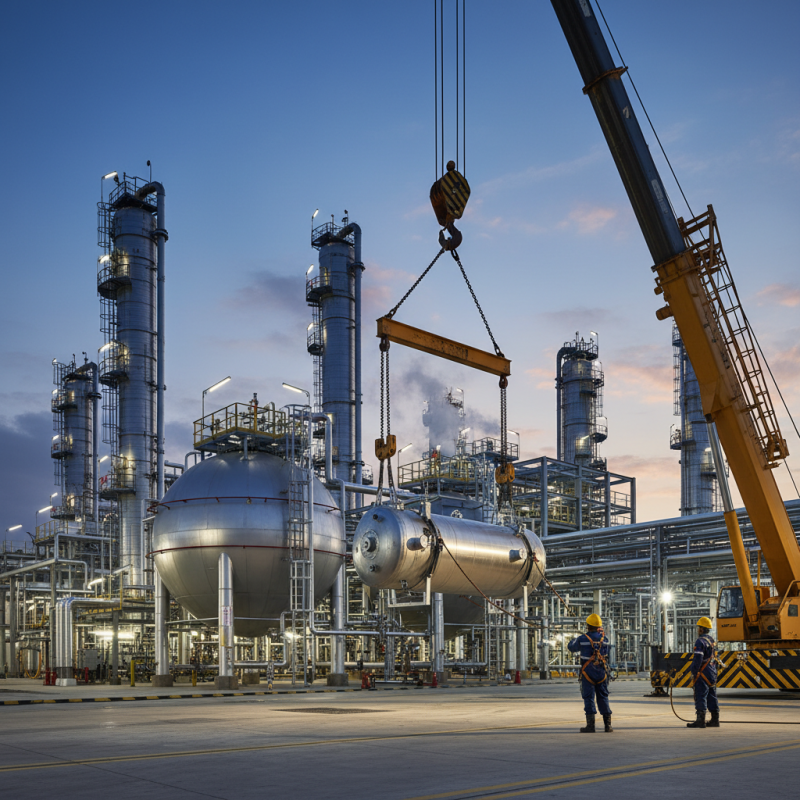
In the dynamic and highly regulated environment of petrochemical facilities, ensuring the safety and efficiency of operations is paramount. As these facilities handle complex processes involving hazardous materials, the need for reliable and effective lifting solutions cannot be overstated. Petrochemical facilities lift various heavy and cumbersome equipment, such as reactors, distillation columns, and storage tanks, which pose significant challenges in terms of safety and operational efficiency.
Efficient lifting solutions not only enhance operational productivity but also play a crucial role in minimizing the risk of accidents and ensuring the well-being of personnel. The complexity of tasks performed in these facilities necessitates advanced lifting technologies that can accommodate both routine maintenance tasks and emergency responses. As such, investing in high-performance lifting equipment specifically designed for petrochemical applications is essential to meet the unique demands of the industry while maintaining strict safety standards. By prioritizing innovative lifting solutions, petrochemical facilities can significantly improve their operational resilience and uphold their commitment to safe practices.
Importance of Safety in Petrochemical Facilities
Safety is a paramount concern in the petrochemical industry due to the hazardous nature of the materials handled and the complex processes involved. According to a report by the American Petroleum Institute, nearly 150 major incidents occur each year in U.S. petrochemical facilities, underscoring the critical need for effective safety measures. An efficient lifting solution not only enhances operational productivity but also plays a crucial role in preventing accidents that could lead to costly damages and potential loss of life.
In a recent study by the Occupational Safety and Health Administration (OSHA), lifting-related injuries accounted for approximately 36% of all recorded workplace incidents in the sector. This statistic highlights the necessity for advanced lifting equipment that can mitigate risks associated with manual handling and improve overall safety protocols. Implementing ergonomic lifting solutions can significantly reduce the physical strain on workers, thereby minimizing the likelihood of injuries and promoting a safer working environment. As the petrochemical industry continues to evolve, prioritizing safety through innovative lifting technologies will be critical in safeguarding employees and maintaining regulatory compliance.
Common Lifting Challenges in Petrochemical Operations
In the petrochemical industry, lifting operations are often fraught with challenges that can compromise both safety and efficiency. One significant hurdle involves the handling of heavy equipment and materials in confined spaces. These environments can restrict the movement of traditional lifting machinery, necessitating the use of specialized equipment that can navigate tight areas without sacrificing load stability. Ensuring that lifting solutions are tailored to the specific spatial constraints of a petrochemical facility is vital to maintaining operational flow and safeguarding personnel.
Another common challenge is the fluctuation in load weights and shape. Petrochemical operations frequently involve diverse materials, each with its own handling requirements. Lifting solutions must be adaptable to accommodate these variations while ensuring proper weight distribution and balance. Poor handling can lead to accidents such as drops or spills, posing risks not only to workers but also to the surrounding environment. Therefore, investing in versatile and efficient lifting solutions is essential to minimize risks and enhance productivity in the demanding conditions of petrochemical operations.
Benefits of Efficient Lifting Solutions for Safety
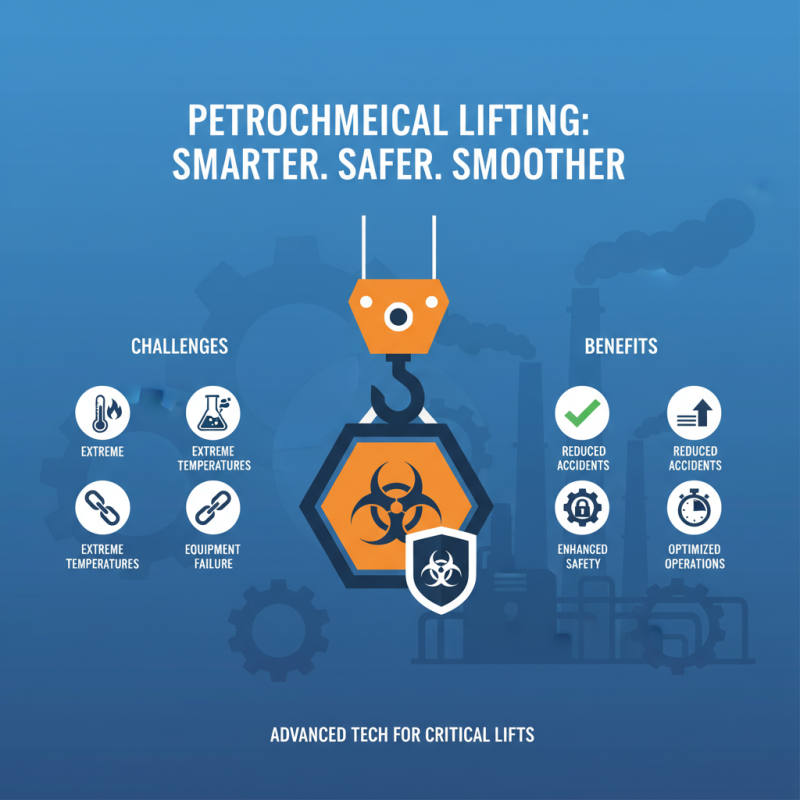
Efficient lifting solutions are crucial in the petrochemical industry, where safety is paramount due to the complexities and hazards associated with heavy lifting operations. The unique environment of petrochemical facilities often involves extreme temperatures and hazardous materials, requiring advanced lifting technologies that can handle not only the weight but also the environmental challenges. By implementing efficient lifting systems, companies can significantly reduce the risk of accidents caused by equipment failure or human error, ensuring that operations are both safe and smooth.
Moreover, these efficient lifting solutions contribute to operational efficiency by streamlining workflows. Reduced downtime and enhanced speed in lifting operations lead to increased productivity, allowing facilities to meet their output demands while maintaining high safety standards. Furthermore, investment in modern lifting technologies often results in lower maintenance costs, as well as the potential for fewer workplace injuries. As such, prioritizing safety through effective lifting solutions not only protects employees but also enhances the overall performance and reliability of petrochemical facilities.
Best Practices for Implementing Lifting Solutions
Efficient lifting solutions are crucial in petrochemical facilities to enhance safety and productivity. Implementing a systematic approach can significantly reduce risks associated with heavy lifting operations. First, conducting a thorough assessment of lifting requirements is essential. This includes evaluating the weight and dimensions of the materials to be moved, as well as understanding the specific site conditions and potential hazards. This assessment allows for the selection of the most appropriate lifting equipment and ensures that all personnel are adequately trained in its use.
Another best practice is to develop a comprehensive lifting plan that outlines procedures and safety protocols. This plan should incorporate regular maintenance schedules for lifting equipment and inspections to identify any wear or potential failures. Additionally, involving workers in safety training and ensuring clear communication during lifts will foster a culture of safety within the facility. Utilizing technology, such as monitoring systems that track load weight and lifting angles, can further improve safety by providing real-time data, helping to prevent accidents before they occur. Prioritizing these best practices ensures a safer environment for all personnel involved in lifting operations in petrochemical facilities.
Why Petrochemical Facilities Need Efficient Lifting Solutions for Safety - Best Practices for Implementing Lifting Solutions
| Lifting Solution Type |
Efficiency Rating (out of 10) |
Safety Compliance (Yes/No) |
Maintenance Frequency (Monthly) |
Cost (USD) |
| Chain Hoists |
9 |
Yes |
1 |
500 |
| Electric Winches |
8 |
Yes |
2 |
1200 |
| Forklifts |
7 |
Yes |
3 |
15000 |
| Cranes |
10 |
Yes |
1 |
20000 |
| Lifting Beams |
8 |
Yes |
4 |
700 |
Case Studies: Successful Lifting Solutions in Petrochemical Sector
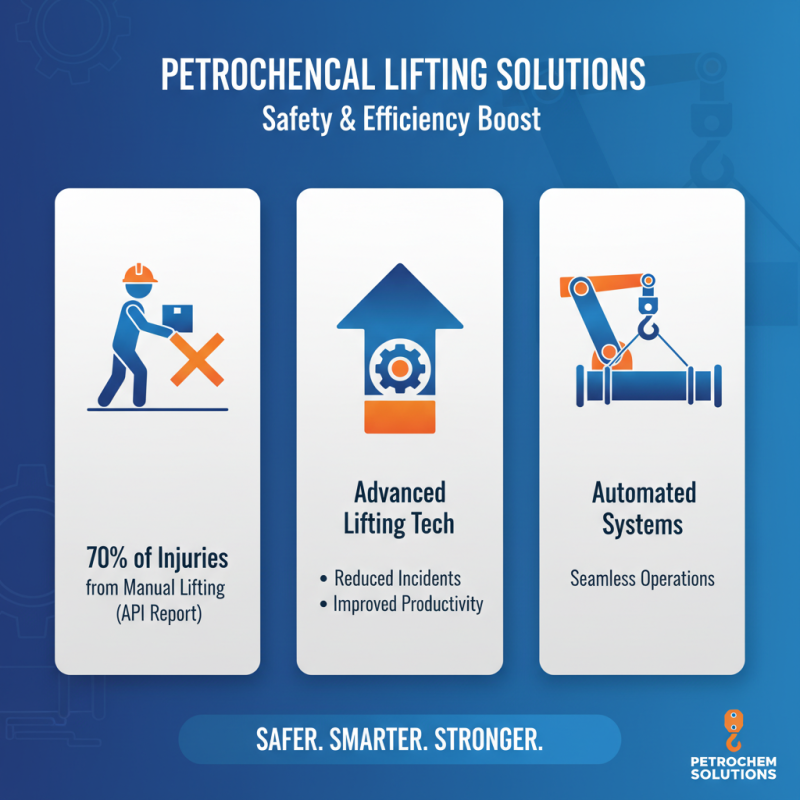
In the petrochemical sector, efficient lifting solutions are crucial for maintaining safety and operational efficiency. A report from the American Petroleum Institute highlights that nearly 70% of workplace injuries in this industry are related to manual handling and lifting operations. By implementing advanced lifting technologies, companies have reported a significant reduction in such incidents. For instance, the integration of automated lifting systems has not only enhanced safety but also improved productivity, enabling petrochemical facilities to manage complex operations seamlessly.
Case studies from various petrochemical plants illustrate the effectiveness of these solutions. In a facility located in Texas, the use of hydraulic lifting equipment led to a 30% decrease in downtime associated with maintenance and repairs. Workers noted a marked improvement in their ability to handle heavy equipment, resulting in smoother operations and fewer injuries. Similarly, a refinery in Louisiana adopted ergonomic lifting tools that comply with OSHA standards, leading to a safer work environment where employees felt empowered to perform their tasks without the fear of injury.
Furthermore, industry studies indicate that investing in modern lifting solutions can yield long-term cost savings. The International Energy Agency estimates that improved lifting operations can reduce accident-related costs by up to 25%, demonstrating that safety enhancements also contribute to financial performance. As the petrochemical industry continues to evolve, the importance of effective lifting solutions in safeguarding workers and optimizing processes cannot be overstated.



 Ms.Lily International Sales Director
 Join 3S Group