Top 10 High-Altitude Work Tips for Safe Operations?
High-altitude work poses unique challenges that require specialized knowledge and preparation. According to Dr. Emily Carter, a leading expert in occupational health and safety, "Understanding the risks of working at altitude is crucial for minimizing incidents." Her insight emphasizes the importance of effective strategies in this demanding environment.
The air is thinner, and conditions can change rapidly. Workers face the risk of altitude sickness, which can impair their performance. Implementing safety protocols is essential to ensure that all personnel are equipped to handle these situations effectively. Regular training and appropriate acclimatization practices are vital.
Every high-altitude operation must consider individual health conditions and comfort levels. A one-size-fits-all approach may not be suitable. Effective communication is key to addressing concerns and promoting a culture of safety. Workers at high altitudes should be continually reminded to express any discomfort. These practices safeguard well-being and enhance overall efficiency in high-altitude work settings.

Understanding High-Altitude Risks and Challenges in Operations
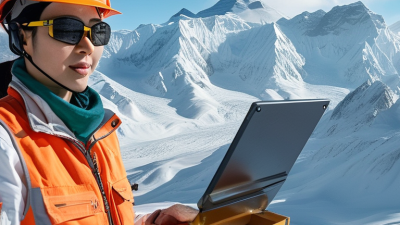
High-altitude operations present unique challenges and risks. As altitude increases, the air becomes thinner, leading to reduced oxygen levels. This can result in altitude sickness, which can impair judgment and physical ability. Workers may experience headaches, fatigue, and dizziness. It is crucial to recognize these symptoms early and take appropriate measures.
Understanding how to mitigate these risks is essential. Proper acclimatization is vital for anyone working at high elevations. Gradually ascending allows the body to adjust to lower oxygen levels. Utilizing supplemental oxygen can also aid in maintaining performance. Ice and snow may conceal hazards, making careful navigation important. Safety training should emphasize awareness of the environment and the potential challenges.
High-altitude work often comes with unforeseen obstacles. Equipment failures or sudden weather changes can pose dangers. Teams need a robust communication plan to address emergencies. Regularly assessing team health and performance helps maintain safety. Reflection on past experiences can lead to improved strategies for future operations. Planning should account for the unpredictable nature of high-altitude environments.
Essential Safety Gear for High-Altitude Work Environments
High-altitude work presents unique challenges that require specialized safety gear. At elevations above 8,000 feet, the risk of altitude sickness increases significantly. According to the National Institute for Occupational Safety and Health (NIOSH), approximately 30% of workers at these heights experience symptoms. Therefore, choosing the right equipment is essential for ensuring safety.
Personal protective equipment (PPE) is vital in high-altitude operations. Essential items include harnesses, hard hats, and breathing apparatus. A study by the Occupational Safety and Health Administration (OSHA) indicates that proper PPE can reduce fall risks by up to 50%. In addition, equipment designed for cold weather is crucial, as temperatures can drop rapidly. Insulated clothing and gloves can help prevent hypothermia and frostbite, which can occur even in summer months at high elevations.
Monitoring the health of workers is equally important. Regular health check-ups can identify those at risk for altitude-related issues. Awareness of personal limits and symptoms is crucial. Many workers may underestimate their vulnerability to altitude sickness. Regular training on recognizing these symptoms can empower workers to prioritize their health. In high-altitude settings, making safety a continuous conversation aids in fostering a culture of safety and awareness.
Pre-Work Health Assessments for Team Members
Pre-work health assessments play a crucial role in ensuring team members are fit for high-altitude operations. Reports indicate that individuals working at elevations above 2,500 meters are at increased risk for altitude sickness, a condition that can severely impact performance and safety. A comprehensive health assessment can identify pre-existing conditions, such as respiratory or cardiovascular issues, that may escalate in low-oxygen environments.
Monitoring vital signs is essential. Blood oxygen levels, heart rate, and overall physical fitness can indicate readiness for high-altitude tasks. Data shows that 30% of workers experience decreased cognitive function at high altitudes. Proper assessments can help mitigate these risks, ensuring that only those physically prepared embark on strenuous activities.
While some companies conduct assessments, others overlook them, creating potential hazards. Regular training sessions on the importance of health checks can improve compliance and awareness. This approach cultivates a culture of safety within teams. It is vital to recognize that overlooking health assessments not only endangers individual workers but also jeopardizes team safety as a whole. Investing time in these evaluations pays dividends in reducing accidents and enhancing overall productivity.
Techniques for Effective Communication at High Altitude
Effective communication at high altitudes is essential for ensuring safety and operational success. At elevations above 8,000 feet, the reduced oxygen levels can impair cognitive functions. A study by the Journal of Occupational Health Psychology indicates that individuals at high altitude experience increased challenges in communication clarity. This necessitates clear protocols and simplified messages among team members to ensure understanding and compliance.
Using direct and concise language helps prevent misunderstandings. When teams are under physical stress, jargon or complicated messages can lead to confusion. Implementing a standardized phraseology can reduce cognitive load. Also, regular check-ins can ensure that all members are on the same page. High-altitude operations often take place in dynamic environments. Communication tools, like radios, should be tested frequently to ensure functionality in these conditions.
It's also important to foster an open atmosphere for feedback. Team members may hesitate to voice concerns due to altitude-related stress, which can hinder communication. Encouraging a culture of openness can help identify issues before they escalate. A report by the National Institute for Occupational Safety and Health highlights that psychological safety can lead to more effective communication in high-pressure situations.
Emergency Procedures and Protocols for High-Altitude Worksites
Working at high altitudes presents unique challenges. Unexpected emergencies can arise, and having clear procedures is crucial. Teams must understand their protocols before beginning any task. Communication is key during high-altitude operations. Ensure that all team members know their roles in an emergency.
First responders must be equipped to handle altitude-related illnesses. Symptoms can include headaches, nausea, or severe fatigue. Recognizing these signs can save lives. Regular training sessions can deepen understanding. Workers should also be familiar with evacuation routes and medical facilities nearby.
Emergency gear should be easily accessible at all times. This includes first-aid kits and oxygen supplies. Even if conditions appear safe, there can be sudden changes in weather. Workers must check in regularly with supervisors to report any concerns. Reflecting on past incidents can enhance overall safety. Continuous improvement in emergency protocols is essential for protecting lives.
Top 10 High-Altitude Work Tips for Safe Operations
| Tip No. |
Safety Tip |
Description |
Emergency Protocol |
| 1 |
Acclimatization |
Gradually increase exposure to high altitude to minimize altitude sickness risks. |
If symptoms appear, descend to a lower altitude immediately. |
| 2 |
Hydration |
Maintain proper hydration to reduce the risk of dehydration and altitude sickness. |
Monitor for severe symptoms and seek medical assistance if necessary. |
| 3 |
Proper Equipment |
Use appropriate gear and clothing for high-altitude weather conditions. |
Have a checklist of necessary equipment to ensure readiness. |
| 4 |
Team Communication |
Communicate effectively with team members to ensure safety and coordination. |
Establish a check-in protocol during work shifts. |
| 5 |
Emergency Equipment |
Ensure all safety and emergency gear is accessible and inspected regularly. |
Conduct regular drills for emergency situations. |
| 6 |
Safety Briefings |
Hold daily safety briefings before beginning work. |
Review emergency procedures and protocols with the team. |
| 7 |
Physical Fitness |
Maintain a good level of fitness to cope with physical demands of the job. |
Have a physical fitness plan adapted to working at altitude. |
| 8 |
Weather Monitoring |
Continuously monitor weather conditions that may affect safety. |
Have protocols in place for severe weather conditions. |
| 9 |
Buddy System |
Work in pairs to provide immediate assistance if needed. |
Have a buddy-check system in emergencies. |
| 10 |
Regular Breaks |
Take regular breaks to prevent fatigue and monitor health. |
Evaluate team members’ conditions during breaks. |





 Ms.Lily International Sales Director
 Join 3S Group