Exploring the Future of Thermal Power Chimneys and Elevators in 2026
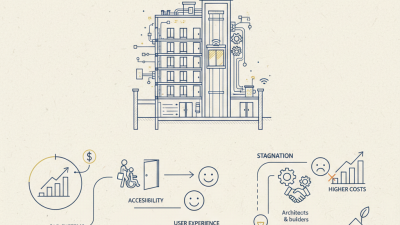
As we venture into 2026, the landscape of thermal power generation is set to evolve. Thermal Power Chimneys Elevator play a vital role in this transformation. These structures are essential for emissions control and energy efficiency.
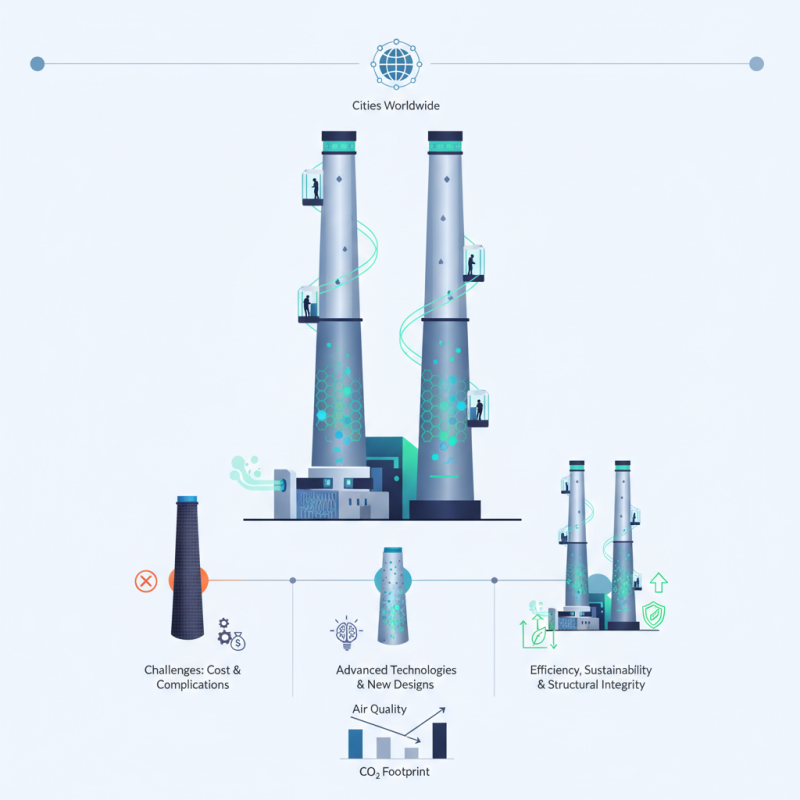
In cities worldwide, the integration of advanced technologies into thermal power chimneys is becoming crucial. New designs improve air quality and reduce carbon footprints. However, challenges remain. Innovations can sometimes lead to unforeseen complications and costs.
Looking ahead, the role of Thermal Power Chimneys Elevator is more significant than ever. Their structural integrity must be prioritized. Balancing efficiency and sustainability creates room for discussion. As we explore these advancements, reflection on earlier mistakes is necessary. Addressing past failures shapes a better future for thermal energy.
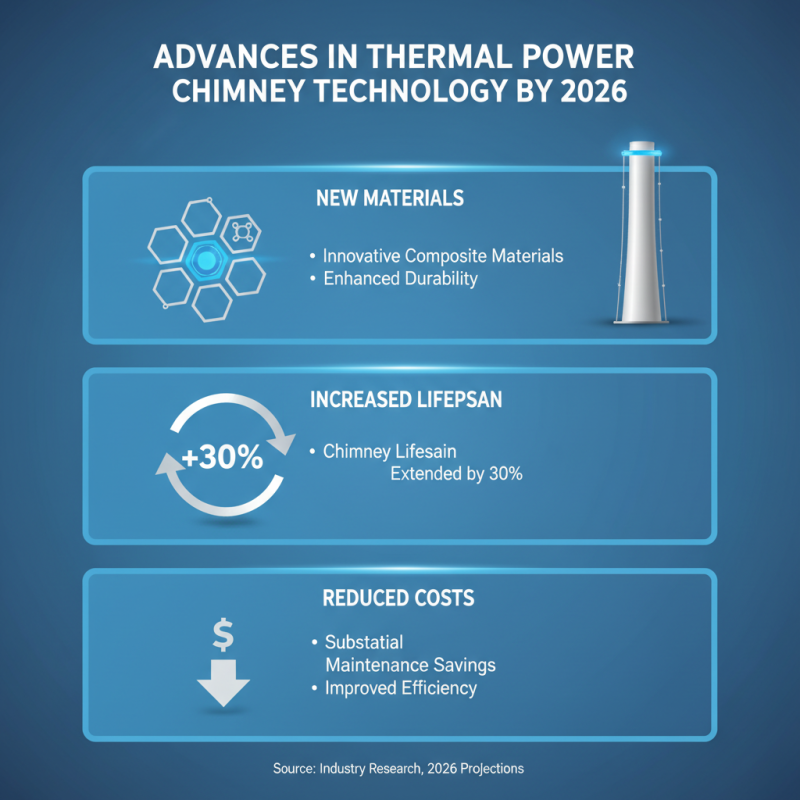
Advancements in Thermal Power Chimney Technology by 2026
In the field of thermal power generation, advancements in chimney technology are crucial for improving efficiency. By 2026, new materials will enhance the durability of chimneys. Research indicates that innovative composite materials can increase lifespan by 30%. This increase can reduce maintenance costs substantially.
Enhanced design is also on the horizon. Emerging trends focus on reducing emissions. New filtration systems could cut harmful pollutants by 40%. These changes promise a cleaner environment, reflecting the industry's commitment to sustainability.
However, challenges remain. Implementation costs for these technologies may be high. Not all plants may be able to adopt these upgrades easily. Continuous monitoring of performance is essential. The balance between innovation and practicality needs addressing. Let's consider how to navigate these hurdles while striving for progress.
Innovations in Elevator Systems for Thermal Power Plants in 2026
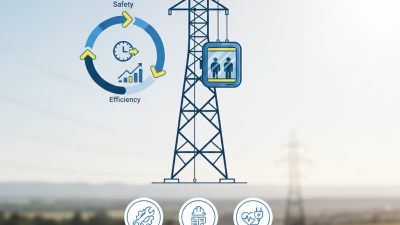
In 2026, innovations in elevator systems for thermal power plants are set to change the industry. Modern elevators will improve efficiency and safety. They will feature advanced automation, streamlining operations. The integration of smart sensors will optimize performance, but the reliability of these systems is crucial.
New designs will focus on energy efficiency. Elevators will use regenerative systems, recycling energy during descents. This reduces overall energy consumption. However, it raises questions about maintenance and durability. Ongoing assessment of these technologies will be necessary.
Comfort and accessibility will also be priorities. User-friendly interfaces and real-time information will enhance the experience. Yet, challenges remain in training staff to adapt to new systems. Implementing these innovations may expose gaps in existing protocols or skills. It’s essential to address these issues to fully benefit from the advancements.
Innovations in Elevator Systems for Thermal Power Plants in 2026
This bar chart illustrates the projected advancements in elevator systems used in thermal power plants by 2026, highlighting aspects such as efficiency, automation, safety, and energy consumption.
Environmental Impact of Future Thermal Power Chimneys and Elevators
As we look toward 2026, the environmental impact of thermal power chimneys and elevators is significant. These structures are vital for energy production. However, they also contribute to air pollution and climate change. The emissions from thermal power plants must be addressed effectively. Striking a balance between energy output and environmental health is crucial.
Tips for reducing negative impacts include using eco-friendly materials in construction. Installing advanced filtration systems can capture harmful emissions. Communities should promote renewable energy sources as alternatives. This shift may require adjustments, but long-term benefits are substantial.
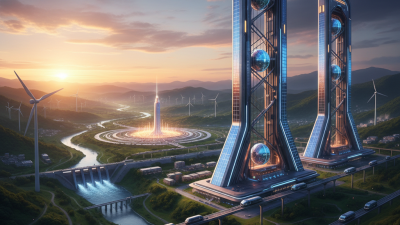
The visual impact of thermal power chimneys is also important. Some may see them as landmarks, while others view them as eyesores. Public opinion varies widely. Urban planners will need to consider aesthetics alongside functionality. Ultimately, a fresh perspective on design could enhance both utility and visual integration in urban settings.
Exploring the Future of Thermal Power Chimneys and Elevators in 2026 - Environmental Impact
| Dimension |
2026 Projection |
Environmental Impact |
| Chimney Height (m) |
150 |
Reduced local air pollution |
| Emission Control Technology |
Advanced SCR Systems |
Lower NOx emissions |
| Elevator Efficiency (%) |
95 |
Less energy consumption |
| Water Usage (liters/hour) |
500 |
Conservation measures implemented |
| Carbon Footprint (kg CO2/kWh) |
0.4 |
Significant reduction achieved |
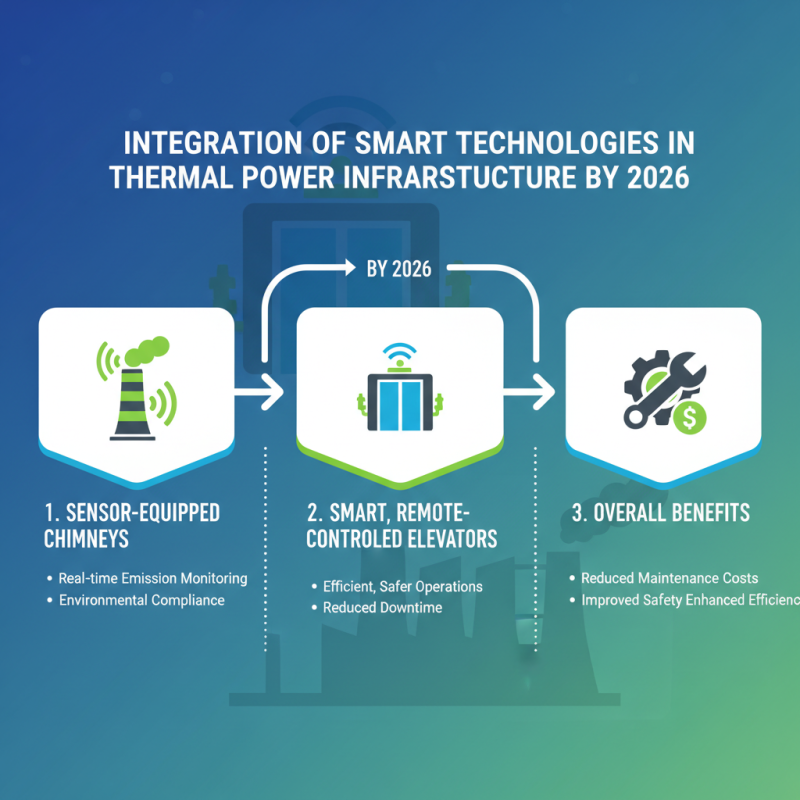
Integration of Smart Technologies in Thermal Power Infrastructure by 2026
The integration of smart technologies in thermal power infrastructure by 2026 promises significant changes. Imagine chimneys equipped with sensors that monitor emissions in real time. This data can help maintain compliance with environmental standards. Meanwhile, smart elevators in these facilities could be controlled remotely, making operations more efficient and safer for workers. Such innovations may reduce maintenance costs and downtime.
However, challenges persist. Not all existing infrastructures are ready for smart upgrades. Retrofitting can be expensive and time-consuming. Additionally, reliance on technology raises concerns over cybersecurity. If systems are hacked, the consequences could be severe. It's crucial to prioritize security measures alongside advancements.
The goal is to create a seamless, smart thermal power environment. Enhanced data analytics can optimize energy output and predict maintenance needs. Workers may need to adapt to new tools and processes. Even with robust planning, the road ahead could reveal unexpected bumps. Continuous reflection on these practices will be vital for sustainable and efficient operation.
Regulatory Changes Affecting Thermal Power Chimneys and Elevators in 2026
In 2026, thermal power chimneys and elevators face new regulations. Authorities emphasize emissions reducing. These regulations aim to mitigate environmental impacts. They will require advanced technologies in design and construction. New standards may increase project costs. Contractors must adapt quickly.
Chimneys may need innovative materials for better insulation. This change could improve efficiency. Meanwhile, elevators must also meet stricter safety protocols. Upgrades could involve better sensors and monitoring systems. However, the transition might create delays in project timelines. Not all companies may afford these upgrades.
Many projects will likely pause as they navigate these changes. Some may overlook compliance issues initially. This oversight can lead to costly penalties. A gap exists between existing infrastructure and upcoming standards. Solutions require collaboration among industry experts. Balancing innovation with cost will likely be a persistent challenge.



 Ms.Lily International Sales Director
 Join 3S Group