How to Effectively Lift Offshore Platforms in 2026?
In the ever-evolving realm of offshore engineering, the topic of "Offshore Platforms Lift" stands at the forefront of innovation and safety. Dr. Emily Chen, a renowned expert in marine structures, once stated, “The future of platform lifting hinges on integrating advanced technology with safety protocols.” Her insight reflects the pressing need for modernization in lifting techniques.
As we approach 2026, the challenges of lifting offshore platforms require not only technical ingenuity but also robust planning. The industry must address environmental factors, equipment capabilities, and safety regulations. Current frameworks often fall short in adapting to rapid technological advancements. Failing to innovate risks inefficiency and safety breaches.
Moreover, collaboration between engineers and regulatory bodies is crucial. Innovative lifting solutions should focus on sustainability and cost-effectiveness. However, some approaches may compromise safety. Thus, constant evaluation and improvement in lifting methods are vital. The course toward effective offshore platform lifts in 2026 is fraught with challenges that demand our attention and action.

Overview of Offshore Platform Lifting Technologies in 2026
In 2026, lifting offshore platforms will rely on advanced technologies and innovative methods. Recent reports highlight that the offshore lifting market is projected to grow by 8% annually until 2030. This surge is driven by increased investments in renewable energy and oil exploration. Advanced cranes and heavy-lift vessels are critical for safety and efficiency in lifting operations. Next-gen autonomous systems can minimize human error and enhance operational precision.
Tips: Regularly update safety protocols. Every lift should undergo rigorous planning and simulation. This reduces risks significantly. Incorporating robotics into lifting operations can also streamline processes.
Balancing speed and safety remains a challenge. Many companies are still adapting systems to meet evolving regulatory standards. Data indicates that over 40% of lifting incidents stem from procedural missteps. Continuous training of personnel is essential. Technological integration, such as real-time monitoring systems, is becoming a norm. These systems allow for tracking lifting operations live, ensuring that any anomalies can be addressed instantly.
Key Considerations for Safe and Efficient Lifting Operations
Lifting offshore platforms in 2026 will require meticulous planning and execution. Safety is paramount in these operations, where even minor oversights can lead to significant risks. A report from the International Marine Contractors Association (IMCA) emphasizes that improper lifting protocols can result in accidents, causing delays and financial losses exceeding $15 million per incident.
Key considerations include environmental factors. Weather conditions play a crucial role in lifting procedures. Wind speeds over 25 knots can make lifting operations unsafe, so monitoring forecasts is essential. Teams must also evaluate the maritime conditions. The IMCA states that more than 35% of offshore lifting incidents are linked to adverse weather.
Tips: Always conduct thorough site assessments before lifting. This ensures that your team is aware of potential hazards. Use real-time data for weather updates. Staying informed can save time and resources. Continually train your crew on safety protocols. Practice makes perfect, especially when lives are at stake.
Another vital aspect is equipment selection. The right gear must be matched with the platform’s weight and size. The Offshore Energy Report noted that 20% of lifting failures occurred due to improper equipment choice. Take time to analyze specifications and capabilities.
Tips: Create a checklist for equipment evaluation. Review and refine it regularly for improvements. Foster open communication among your teams. Encourage reporting on issues faced during earlier lifts to learn from them.
How to Effectively Lift Offshore Platforms in 2026? - Key Considerations for Safe and Efficient Lifting Operations
| Consideration |
Description |
Importance Level |
Best Practices |
| Load Assessment |
Evaluate the weight and center of gravity of the platform before lifting. |
High |
Conduct detailed engineering analysis and field tests. |
| Weather Conditions |
Monitor weather forecasts that could impact lifting operations. |
Medium |
Plan operations for fair weather days; have contingencies for adverse weather. |
| Equipment Selection |
Choose proper lifting equipment based on load and site conditions. |
High |
Utilize certified and regularly inspected lifting devices. |
| Operator Training |
Ensure operators are well-trained and familiar with equipment. |
High |
Provide ongoing training sessions and refreshers. |
| Team Communication |
Maintaining clear communication among crew members during operations. |
Medium |
Use radios and hand signals effectively to ensure full understanding. |
Innovative Equipment and Tools for Offshore Platform Lifting
Innovative equipment plays a crucial role in lifting offshore platforms in 2026. As the energy sector evolves, we need advanced tools that ensure safety and efficiency. Traditional methods face challenges in handling larger structures and harsh environments. New lifting technologies aim to address these challenges, providing greater stability and reliability.
Tips for selecting the right equipment include considering weight distribution and environmental conditions. Assessing the lift's height and the specific structural requirements is vital. Using simulation tools can help visualize the lifting process, reducing potential risks. Collaboration with experienced engineers is essential to refine your approach.
Hydraulic systems and remotely operated vehicles are becoming essential. These innovations allow for precise movements and adjustments. However, training teams to operate these tools effectively is often overlooked. Investing in continuous education can enhance safety and performance during operations. Regular assessments of equipment performance help identify issues early, promoting safer lifting strategies.
Best Practices for Training and Team Coordination in Lifting Tasks
Training and team coordination are crucial in lifting operations for offshore platforms. According to the International Association of Oil & Gas Producers (IOGP), nearly 40% of lifting incidents stem from poor communication among teams. Effective communication protocols help ensure clarity in tasks. Regular training sessions can enhance these protocols. Teams must practice lifting procedures in simulated environments. This prepares them for actual conditions.
Moreover, continuous education on safety practices is vital. A report from the Occupational Safety and Health Administration (OSHA) indicates that well-trained teams reduce accident rates by 25%. Utilizing technology can also aid coordination. For instance, real-time data sharing tools allow team members to stay informed. However, reliance on technology without proper training can lead to errors. Teams must balance tech use with hands-on experience.
Reflection on previous lifting operations can reveal areas for improvement. Post-operation reviews help identify lapses in coordination or training flaws. Teams should encourage open discussions to foster a culture of learning. By doing so, they can address challenges and enhance performance in future operations.
Regulatory Standards and Compliance for Lifting Offshore Structures
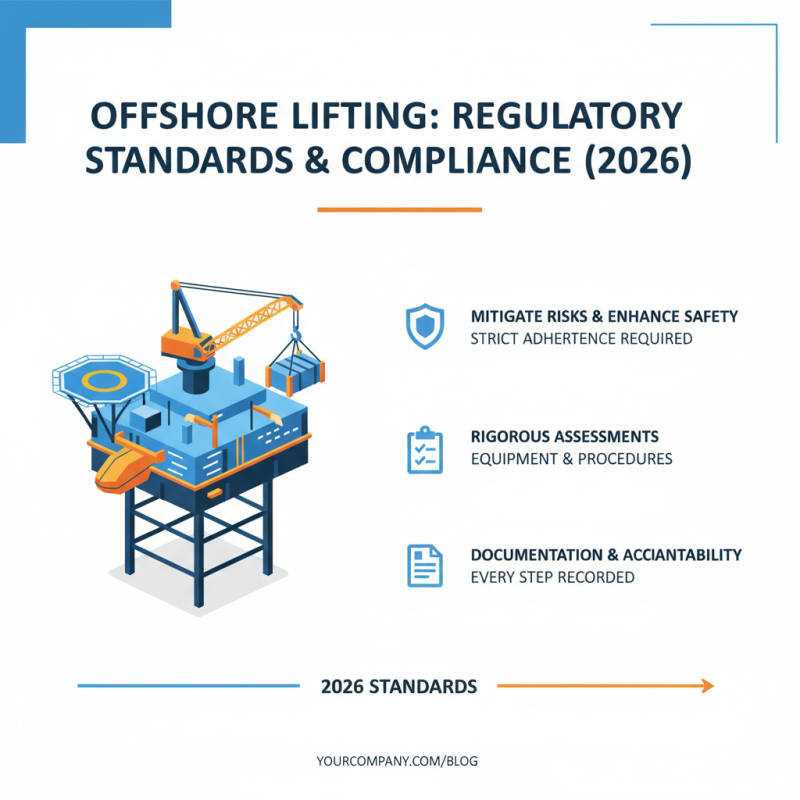
The lifting of offshore platforms requires strict adherence to regulatory standards. In 2026, these standards are designed to mitigate risks and enhance safety. Compliance involves rigorous assessments of equipment and procedures before operations commence. It’s critical to document every step for accountability.
Regulations increasingly focus on new technologies and methods. Operators must stay updated on advancements in lifting equipment and techniques. Regular training sessions for personnel ensure that everyone understands safety protocols. However, companies often find themselves struggling to implement these standards effectively. Lapses in training can lead to serious incidents, highlighting an area needing improvement.
Monitoring and inspections must happen frequently. Lack of proper oversight often results in non-compliance. In the quest for efficiency, companies may overlook crucial checkpoints, leaving them vulnerable. Reflecting on past errors can foster a culture of safety. Therefore, gathering feedback from field personnel can help identify weaknesses in current practices.





 Ms.Lily International Sales Director
 Join 3S Group