How to Choose Thermal Power Chimneys Elevators for Your Needs?
Choosing the right Thermal Power Chimneys Elevator is crucial for efficient operations. These systems play a vital role in transporting materials safely in thermal power plants. Understanding your specific needs is essential to make an informed decision.
Different factors influence the selection of the right elevator. Load capacity, environmental conditions, and installation space are among the critical considerations. It's important to assess the specific requirements of your thermal power facility before making a choice. Ignoring these factors can lead to inefficiencies and potential hazards.
Consulting with industry experts can provide valuable insights. They can guide you on the latest technology and safety standards. Ensuring reliability and compliance with regulations is paramount. A well-chosen thermal power chimneys elevator enhances productivity and ensures safe operations. However, it's essential to regularly evaluate the performance of your selected system. Continuous assessment can help identify areas for improvement.
Understanding Thermal Power Chimneys and Elevators
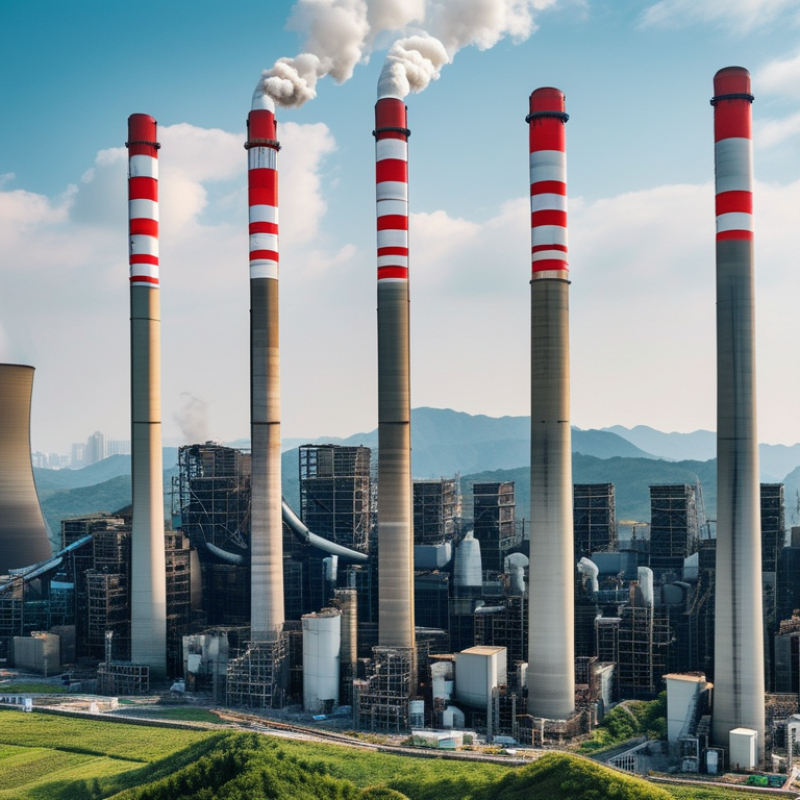
Thermal power chimneys and elevators are essential components in power generation. They help manage emissions and transport materials efficiently. Understanding their design and function is crucial for optimizing performance. Research indicates that the efficiency of thermal plants can improve by 5-10% with proper chimney design. The height and material greatly affect emissions dispersal. For instance, taller chimneys can dilute pollutants faster, reducing local air quality issues.
When selecting an elevator for your thermal power facility, consider the load capacity and speed. Installations that handle heavy materials require robust elevators. According to industry reports, elevators that function at optimal speeds can enhance operational efficiency by an average of 15%. Pay attention to maintenance schedules to avoid costly downtimes. Regular checks, including load tests, can prevent unexpected failures.
Tip: Evaluate the chimney location carefully. It's essential to avoid placing it near residential areas.
Tip: Regularly assess elevator performance. This prevents accidents and ensures safety. Simple monitoring can extend equipment lifespan, offering long-term benefits.
Key Factors in Selecting Thermal Power Chimneys
When selecting thermal power chimneys, it's crucial to consider several factors. The height of the chimney affects the dispersion of emissions. Taller chimneys typically allow pollutants to rise higher into the atmosphere. This can significantly influence air quality. However, taller structures may require complex engineering to ensure stability.
Material selection is another vital point. Different materials can affect durability and maintenance. Steel chimneys, for instance, may resist corrosion better than concrete ones. The local climate also plays a role. Areas with extreme temperatures may need specialized coatings or reinforcements. Evaluating local weather patterns is essential to avoid unexpected damages.
Lastly, the overall design must align with efficiency goals. A well-designed chimney can enhance thermal performance. Yet, an overly complex design might lead to increased costs. It’s essential to balance aesthetics with functionality. Gathering expert opinions can help refine choices. Each decision impacts both performance and long-term reliability.
Evaluating Types of Elevators for Thermal Power Plants
When selecting elevators for thermal power plants, understanding the types available is crucial. Different environments demand specific designs. For instance, heavy-duty elevators are often necessary for transporting equipment and materials. In contrast, personnel elevators require a focus on safety and comfort. Evaluating your plant’s unique needs can guide this choice effectively.
Tip: Assess the load capacity required for your operations. Misjudging this can lead to operational delays. It’s vital to determine both the maximum weight and the type of materials moved. Many power plants benefit from having specialized elevators tailored for different functions. However, this might complicate maintenance.
Also, consider the elevator’s safety features. With high traffic volume in thermal plants, safety should never be compromised. Regular safety inspections are essential to avoid potential hazards. While having multiple elevator options may seem beneficial, it can create points of failure. Always weigh the benefits against possible complications.
Assessing Site Conditions for Installation of Chimneys and Elevators
When planning for the installation of thermal power chimneys and elevators, site conditions play a crucial role. Evaluating soil stability is essential. Soft or unstable soil can compromise structural integrity. Consider the height and load-bearing capacity of the ground. Poor foundation choices can lead to significant issues later.
Tip: Use detailed site surveys to identify geological variations. This will help in selecting appropriate materials and construction techniques.
Weather conditions are another vital aspect. High winds, heavy snowfall, or seismic activity can influence design. For example, chimneys must be taller in wind-prone areas to ensure effective draft. Be mindful of how local climate impacts your installation.
Tip: Analyze historical weather data. This can guide your decisions on materials and structural reinforcement.
Regulatory requirements can complicate the process. Local codes often stipulate specific heights and emissions standards for chimneys. It’s essential to be aware of these regulations early in your planning. Failure to comply may lead to delays or costly modifications.
Tip: Consult with local authorities during the planning phase. Their insights can prevent future issues and ensure compliance.
Thermal Power Chimneys and Elevators Assessment Data
Maintenance and Safety Considerations for Thermal Power Systems
Maintaining thermal power systems is crucial for efficiency and safety. Regular inspections are necessary to identify wear and tear. Components like thermal power chimneys and elevators need attention. These elements can suffer from stress and degradation over time. Inspecting bolts, seals, and connections can prevent costly failures.
Safety is another major concern. Proper training for personnel operating these systems is essential. Unexpected malfunctions can pose risks. Conducting routine drills can help improve response times during emergencies. Providing safety gear and accessible escape routes is also critical. Reflecting on previous incidents can guide better safety protocols.
Evaluation of maintenance records helps in addressing issues proactively. Any recurring problems should be analyzed. Are they due to design flaws or operator error? Identifying the root cause can reduce future risks. Balancing efficiency and safety in thermal power systems demands constant vigilance.
How to Choose Thermal Power Chimneys Elevators for Your Needs? - Maintenance and Safety Considerations for Thermal Power Systems
| Dimension |
Value |
Notes |
| Chimney Height |
50 meters |
Standard for efficient emissions dispersion |
| Chimney Diameter |
3 meters |
Adequate for expected flue gas volume |
| Elevator Capacity |
2000 kg |
Suitable for carrying maintenance equipment |
| Safety Features |
Emergency brake, anti-fall device |
Essential for worker safety |
| Maintenance Interval |
6 months |
Regular checks recommended for longevity |




 Ms.Lily International Sales Director
 Join 3S Group