How to Choose the Best Winch Electric Hoist for Your Needs?
Choosing the right Winch Electric Hoist can significantly impact efficiency and safety in various applications. Industry expert John Smith states, “A well-selected winch can streamline operations and enhance load handling.” This emphasizes the importance of selecting the appropriate equipment based on unique needs.
When exploring options, consider the load capacity, lifting speed, and overall functionality. Each project might have different requirements that are not immediately apparent. Additionally, many users underestimate the importance of quality and reliability. A subpar winch can lead to accidents and costly downtime.
Researching reputable brands and customer reviews is essential for informed choices. Understanding specific technical details can be overwhelming. Some hoists may offer advanced features that seem beneficial but may not be necessary for your tasks. It’s crucial to reflect on what truly meets your operational demands rather than getting caught up in add-ons that won't be used.
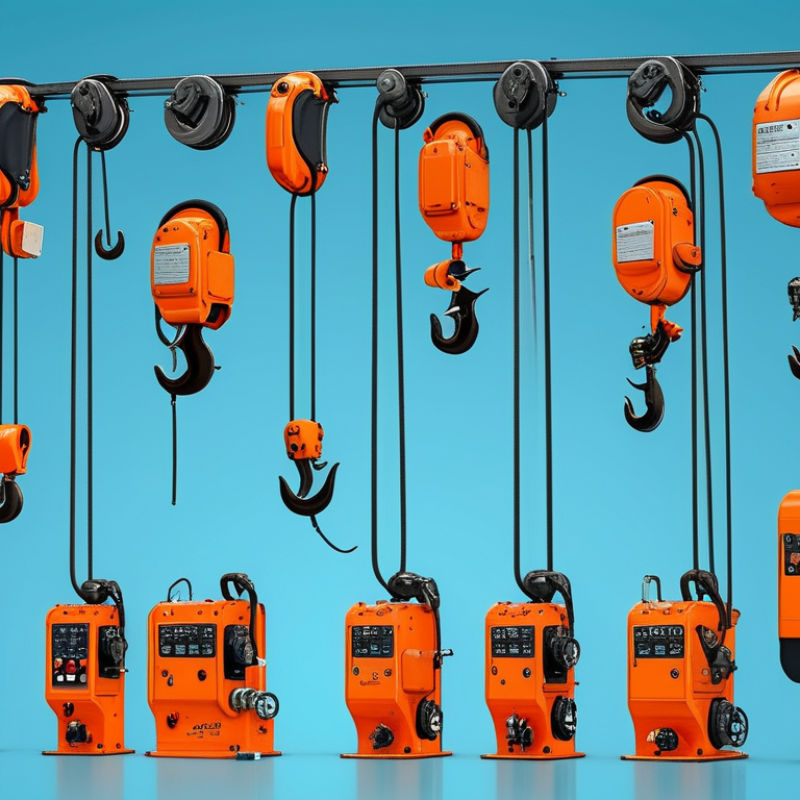
Understanding Winch Electric Hoists: Key Features to Consider
Choosing the right winch electric hoist can be challenging. When evaluating options, consider key features that impact performance and safety.
Load capacity is critical. Most hoists handle weights from 500 to 5,000 pounds. Ensure that the chosen hoist can manage your heaviest loads with a margin for safety.
Speed is another vital factor. Some hoists lift at speeds between 10 to 30 feet per minute. Assess your project needs. A slower speed may provide more control, while faster options can enhance efficiency.
Tips: Always check power sources. Hoists operate on either AC or DC power. Each has its advantages based on your setup.
Durability matters, too. Look for models with robust construction materials. A hoist's lifespan can be affected by its environment. Consider weatherproof options if used outdoors.
Tips: Review the warranty and support from suppliers. Reliable support is crucial for maintenance and repairs.
Thresholds for weight, speed, and durability shape your hoist's effectiveness. Disregarding these factors could lead to operational failures. Always choose a hoist that aligns with your specific demands. It may save time and expense in the long run.
Assessing Your Lifting Needs: Weight Capacity and Height Requirements
When choosing a winch electric hoist, evaluating your lifting needs is crucial. Start by determining the weight capacity. Consider the heaviest object you plan to lift. Overestimating can lead to unnecessary costs. Underestimating can result in equipment failure. It is wise to consult user manuals or experts to understand the hoist specifications.
Height requirements are equally important. Think about where you will use the hoist. Measure the distance from the hoist to the load. Ensure it can lift to your desired height without strain. Failing to account for this can lead to accidents. In some cases, additional height clearance may be needed for safety.
Always reflect on your specific needs. You may find that a slightly different model fits better after reassessment. Each project may require a unique approach. Seek advice from professionals if you're unsure. Using a hoist that doesn't meet your needs can compromise both efficiency and safety.
Types of Winch Electric Hoists: Choosing Between Options Available
When selecting the right winch electric hoist, understanding the various types available is crucial. There are several types, including
single-phase hoists,
three-phase hoists, and
trolley hoists. Each type serves different purposes.
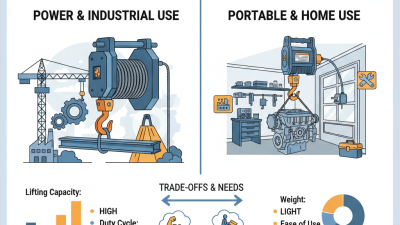
Single-phase hoists are suitable for residential use, while three-phase hoists handle heavier commercial loads. Trolley hoists are useful for lifting items along a rail system.
Evaluating your specific needs is essential. If you frequently lift lighter loads, a single-phase hoist might suffice. However, if you manage heavy machinery, a three-phase option would be more effective.
Trolley hoists are ideal for warehouses or construction sites needing mobility. Think about the load capacity and duty cycle, as these factors impact efficiency.
Moreover, consider the installation and maintenance requirements. Each type has different needs regarding space and power sources. It's also important to reflect on your experience with electric hoists.
Do you anticipate regular usage or sporadic needs? This self-assessment will guide your decision-making process. While it can be overwhelming, weighing the pros and cons will help narrow your options.
Safety Features and Ratings: Ensuring Compliance and Protection
When selecting an electric hoist, safety should be at the forefront of your decision-making. Look for hoists that come with multiple safety features, such as overload protection and emergency stop functions. These features can prevent accidents during lifting operations. It's essential to verify that the hoist meets relevant safety standards.
Checking the weight capacity is crucial. Ensure it not only meets your lifting needs but also includes a margin for safety. Many hoists come with a failsafe rating, indicating how much weight they can handle beyond their stated capacity. Ignoring these ratings can lead to dangerous situations.
Regular maintenance is necessary to uphold safety features. It's not enough to buy a hoist and forget about it. Inspections and servicing can uncover wear and tear that may compromise safety. Remember, a once reliable hoist can become a risk if not regularly checked. Always be proactive in ensuring compliance with safety regulations. This diligence is vital for protecting both operators and equipment.
Budgeting for Your Winch Electric Hoist: Cost vs. Quality Analysis
When budgeting for a winch electric hoist, it’s crucial to balance cost with quality. Low-cost options might lure you in, but they often compromise on durability. Think about the materials used. Stronger, higher-quality materials may raise the initial price, but they can lead to lower maintenance costs in the long run.
Consider how often you'll use the hoist. For occasional tasks, a less expensive model may suffice.
However, investment in a more reliable hoist pays off over time. Look for user reviews and seek expert opinions. It’s essential to know if the hoist can handle the weight you require. A hoist that struggles with loads can lead to hazards. Reflect on your specific needs.
Does the hoist need to be portable?
What height must it reach? These questions guide you in making a wise decision.
Always remember that choosing the cheapest option may not serve you well in tough situations. Striking a balance between your budget and the reliability of the hoist can save you headaches later.



 Ms.Lily International Sales Director
 Join 3S Group