How to Choose the Right Oil Refinery Lift for Your Needs?
In the oil refining industry, selecting the appropriate Oil Refinery Lift is critical for operational efficiency. According to a recent report by the International Energy Agency, the global oil refining capacity is projected to reach approximately 103 million barrels per day by 2025. With such significant demand, choosing the right lift can impact productivity and safety.
Modern lifts come with various features and specifications. An unsuitable lift can lead to inefficiencies and safety hazards. A study from the Occupational Safety and Health Administration highlights that improper lifting equipment accounts for nearly 30% of workplace injuries in the refinery sector. It emphasizes the need to evaluate lift options carefully.
Furthermore, the variety of tasks in oil refineries demands versatility in lifting equipment. Factors like weight capacity, height range, and stability are crucial for ensuring optimal performance. As the industry evolves, companies must consider the latest advancements in lift technology. Each decision carries weight and requires careful reflection to ensure safety and reliability in operations.
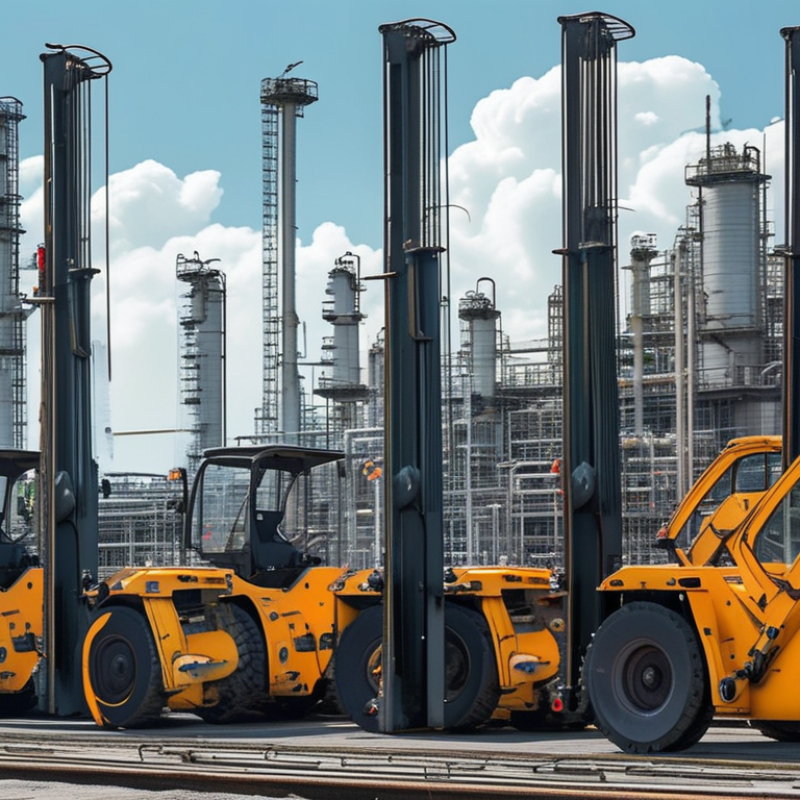
Understanding the Different Types of Oil Refinery Lifts Available
When selecting an oil refinery lift, understanding the various types is crucial. These lifts are designed to meet specific operational needs.
Common types include scissor lifts, boom lifts, and forklifts.
Scissor lifts offer vertical reach, ideal for working at height. They provide stability and safety for tasks involving maintenance or inspections.
Boom lifts have a longer reach, suitable for accessing hard-to-reach areas. Their versatility makes them ideal for various applications.
Forklifts, on the other hand, are essential for moving heavy materials. They come in various sizes, making them adaptable for different refinery environments.
Each type has its own advantages and disadvantages, and choosing the right one requires careful evaluation of your operational needs.
Consider the weight and dimensions of loads frequently handled.
Think about the heights you need to access regularly. Reflect on the space available in your refinery.
Sometimes, the best choice isn't immediately obvious. Analyzing your workflow can reveal inefficiencies.
It’s crucial to prioritize safety and efficiency when making your decision.
Balancing these factors ensures you select the lift that enhances productivity and minimizes risks.
Assessing Your Specific Needs for Oil Refinery Lifts
Choosing the right oil refinery lift is crucial. It starts by understanding your specific needs. Different tasks require different lifting capabilities.
Consider the weight of the materials you'll frequently lift. Do you need a high-capacity lift, or is a modular option better? Knowing your typical load will save time and reduce complications.
Next, think about the space available in your facility. Some lifts can be bulky and require more maneuverability.
Compact designs are beneficial for tighter areas. Evaluate the height you need the lift to reach. A higher lift may provide broader access but could also introduce challenges in stability and safety.
Don’t forget about safety features. Lifts should have reliable locking mechanisms and emergency stops. Workers need to feel secure.
Assess the maintenance requirements as well. Higher upkeep can lead to unexpected downtime.
Reflect on your long-term plans; your needs might evolve. Understanding all these factors aids in making an informed decision for your refinery operations.
Key Features and Specifications to Consider in Oil Refinery Lifts
When choosing an oil refinery lift, several key features and specifications should guide your decision. Load capacity is crucial; many lifts accommodate between 1,000 to 5,000 pounds. Ensure the lift meets your refinery’s specific requirements. Safety features are paramount. Look for options with emergency stop buttons and safety rails.
Consider the lift's dimensions. The platform size impacts usability, especially in tight refinery spaces. A standard platform is often 3x6 feet, but refining operations may require custom sizes. Reach height also matters. Many lifts can reach heights of 20 to 30 feet, depending on your facility's needs.
Tips: Regular maintenance improves lift longevity. Review operational data to track performance. Some lifts may require recalibration over time to remain efficient. Watch for wear and tear signs, especially in high-use environments.
Selecting the right oil refinery lift is not solely about specifications. It's also about understanding your operational environment. Each refinery is unique, leading to varied needs. Collaborate with experienced professionals to make informed choices. Always question if your current lift solutions are serving their purpose effectively.
Oil Refinery Lift Specifications Comparison
Evaluating Cost vs. Benefits of Oil Refinery Lifts
When considering an oil refinery lift, it's vital to evaluate cost against benefits. The lift's efficiency can significantly impact production rates. A high-quality lift may come with a steeper price tag. However, the long-term savings from reduced downtime can outweigh initial expenses.
Consider the lifting capacity you need. Ensure it aligns with the types of materials you handle. A lift that’s too small may lead to inefficiencies. On the other hand, overspending on capacity can strain your budget.
**Tips:**
Regular maintenance can enhance lift longevity. Keep an eye on wear and tear to avoid expensive repairs.
Evaluate your team's familiarity with the equipment. Training may incur costs but is essential for safety and performance.
Maintenance and Safety Considerations for Oil Refinery Lifts
When considering maintenance and safety for oil refinery lifts, it’s crucial to prioritize regular inspections. According to industry standards, lifts should be inspected at least annually. A comprehensive inspection may reveal wear and tear that could lead to serious malfunctions. In 2022, workplace incidents in refineries led to 25% more injuries compared to the previous year. This statistic emphasizes the importance of proactive measures.
Safety training for operators is equally essential. Research shows that facilities with ongoing training programs experience a 50% reduction in lift-related accidents. Operators must be familiar with emergency protocols and the specific requirements of the lift they are using. Misuse or lack of knowledge can result in dangerous situations, even with well-maintained equipment.
Ventilation and environmental factors also play a key role. Lifts operating in confined spaces may encounter risks due to poor air quality. Regular air quality assessments can mitigate potential hazards. Furthermore, the surrounding environment can affect lift operation. Oil spills, for example, can pose significant risks. Adapting maintenance schedules to account for these risks is essential for improving safety and reliability.






 Ms.Lily International Sales Director
 Join 3S Group